







 PTI
PTI
New Delhi, June 15
India’s wholesale price inflation accelerated to 9.68 per cent in May from 8.26 percent in April, driven by higher prices of fuel and power, food articles, and manufactured products, according to data released by the Ministry of Commerce and Industry on Monday.
The latest Wholesale Price Index data was released with a revised base year of 2022-23, replacing the earlier 2011-12 series. The rise in inflation was largely driven by fuel and power, with inflation rising to 30.33 percent in May from 24.89 percent in April. Crude petroleum inflation also moved higher, reaching 61.51 percent against 56.31 percent in the previous month.
The increase comes amid elevated global crude oil prices and continued geopolitical tensions in West Asia. Supply disruptions in the Strait of Hormuz, a critical route for India’s crude oil imports, have added pressure on energy costs, with the impact gradually spreading to food prices as well. Food article inflation rose to 3.60 percent in May from 2.43 percent in April. Inflation for manufactured products also increased to 7.48 percent from 6.68 percent a month earlier.
Retail inflation, measured by the Consumer Price Index, also climbed in May, reaching a 16-month high of 3.93 percent, up from 3.48 percent in April. The Reserve Bank of India primarily considers CPI inflation while formulating monetary policy. The central bank has been tasked with maintaining inflation at 4 percent, with a tolerance band of 2 percentage points on either side.
Earlier this month, the RBI revised its inflation forecast for the current financial year to 5.1 percent from 4.6 percent, citing rising input costs and the pass-through of higher global energy prices into domestic fuel prices.
Petrol and diesel prices were increased by ₹7.50 per litre during the second half of May following the sharp rise in international crude oil prices. The latest inflation figures are expected to remain a key factor for policymakers as they assess the impact of global commodity prices on domestic growth and price stability.

Hero Titan X16 and Zero Damp Titan X16 combine waterproofing and thermal protection Jalandhar, September…

Samsung Solve for Tomorrow 2026 finalists represent 18 cities across 12 states Chandigarh, September 23…

Gold prices fall below Rs 1.53 lakh, silver drops below Rs 2.40 lakh per kg…
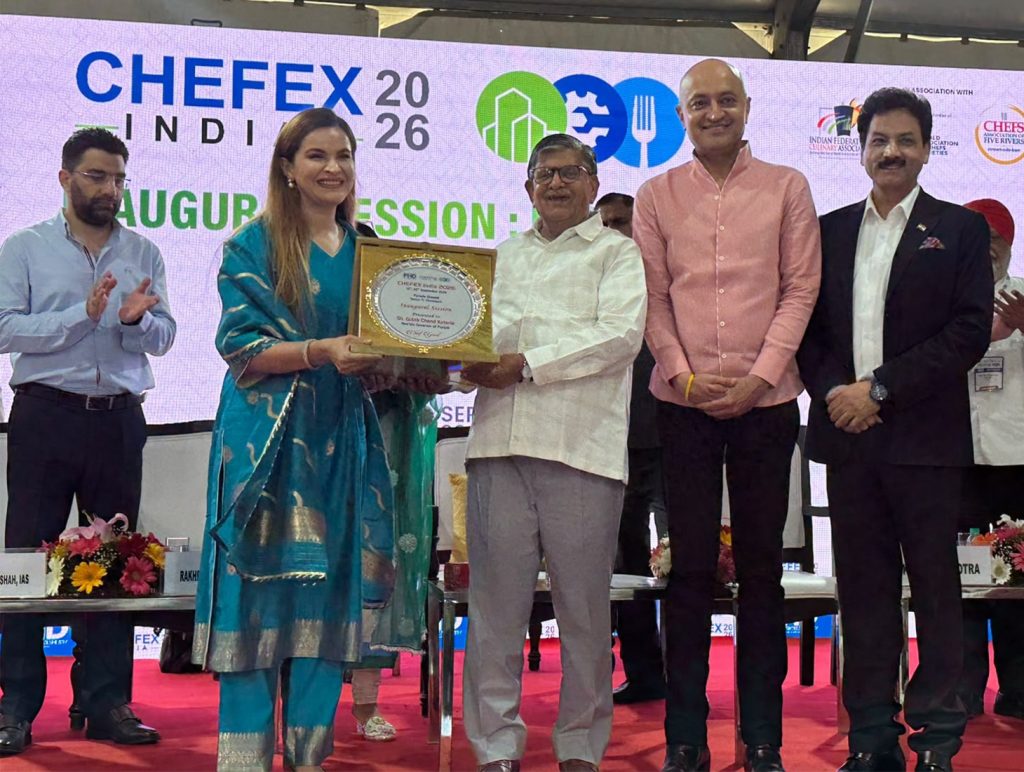
UT Administrator inaugurates three-day expo in Chandigarh as over 700 chefs and food industry stakeholders…