






 The North News
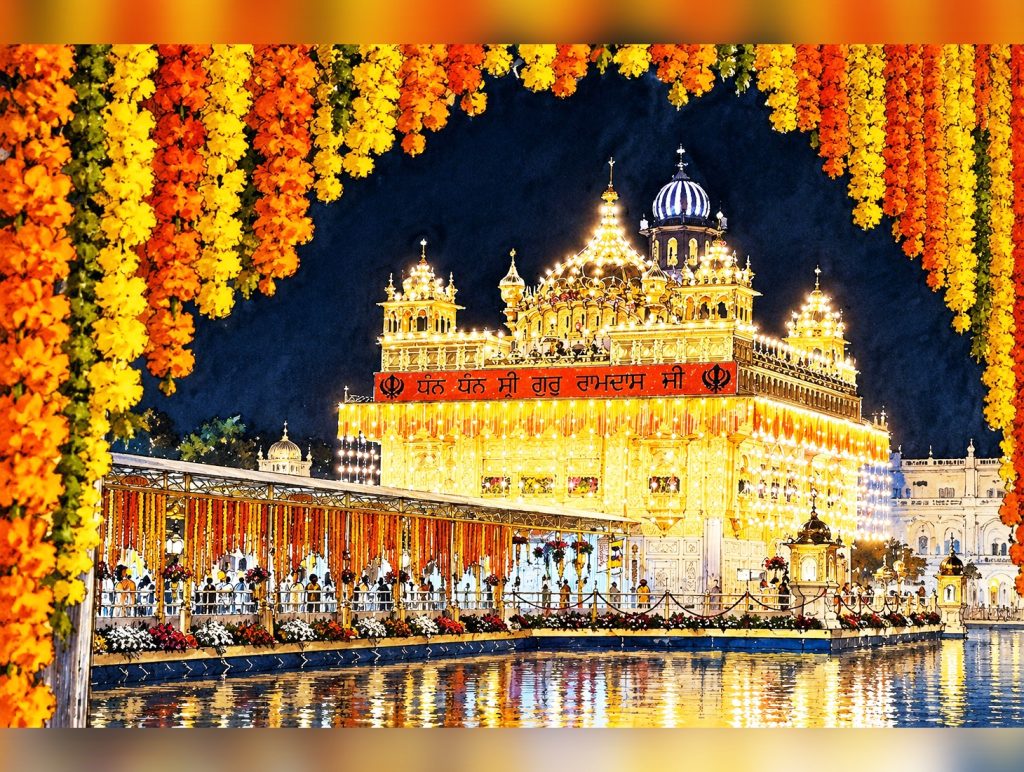
Harmandir Sahib, popularly known as the Golden Temple, is decked up with decorative lights and flowers as Amritsar prepares to celebrate the 492nd birth anniversary of Sri Guru Ram Das on Tuesday, i.e. October 27. The fourth Sikh Guru’s spiritual vision laid the foundations of the holy city and shaped its enduring identity as a centre of Sikh faith.
The celebrations at the shrine will feature prayers, Gurbani kirtan, traditional deepmala and fireworks, as devotees gather to pay obeisance and remember the Guru’s teachings of humility, equality and selfless service. Gurdwaras across the city are also being illuminated, adding to the festive and devotional atmosphere ahead of the occasion.
Born as Bhai Jetha Ji in Lahore on September 24, 1534, Guru Ram Das lost his parents at a young age and earned his livelihood by selling boiled gram, according to Sikh historical accounts. His devotion and commitment to service brought him into the spiritual orbit of Guru Amar Das, the third Sikh Guru, who appointed him as his successor in 1574.
One of his most enduring contributions was the establishment of Ramdaspur, the settlement that later developed into Amritsar. Under his guidance, work began on the sacred pool known as Amrit Sarovar, around which the Golden Temple complex would eventually emerge. He encouraged traders, artisans and other settlers to make the town their home, helping it grow into a centre of commerce and Sikh spirituality.
Guru Ram Das also strengthened the values of equality and community service associated with “langar”, the Sikh community kitchen where people from all backgrounds share a meal. The tradition continues to embody the principle that all human beings deserve equal dignity, irrespective of caste or social standing.
His contribution to Sikh devotional music remains significant. The Shiromani Gurdwara Parbandhak Committee (SGPC) records 638 hymns attributed to him in 30 “ragas” in the Guru Granth Sahib. His compositions explore divine love, humility and spiritual discipline.
In 1581, Guru Ram Das appointed his youngest son, Guru Arjan Dev, as his successor. Guru Arjan Dev continued the development of Amritsar and played a central role in the development of Harmandir Sahib and the compilation of the Adi Granth, the foundational Sikh scripture.
Guru Ram Das Gurpurab is observed with prayers, devotional singing, religious discourses, Akhand Path, nagar kirtans and community service. Devotees participate in religious ceremonies and volunteer at “langar”, reaffirming the values of fellowship and selfless service.
As Amritsar prepares to mark the Prakash Purab, the Golden Temple’s festive appearance serves as a reminder of the Guru’s enduring legacy. His life and teachings continue to inspire generations, demonstrating how humility can guide leadership and how devotion finds expression through equality, compassion and service to humanity.
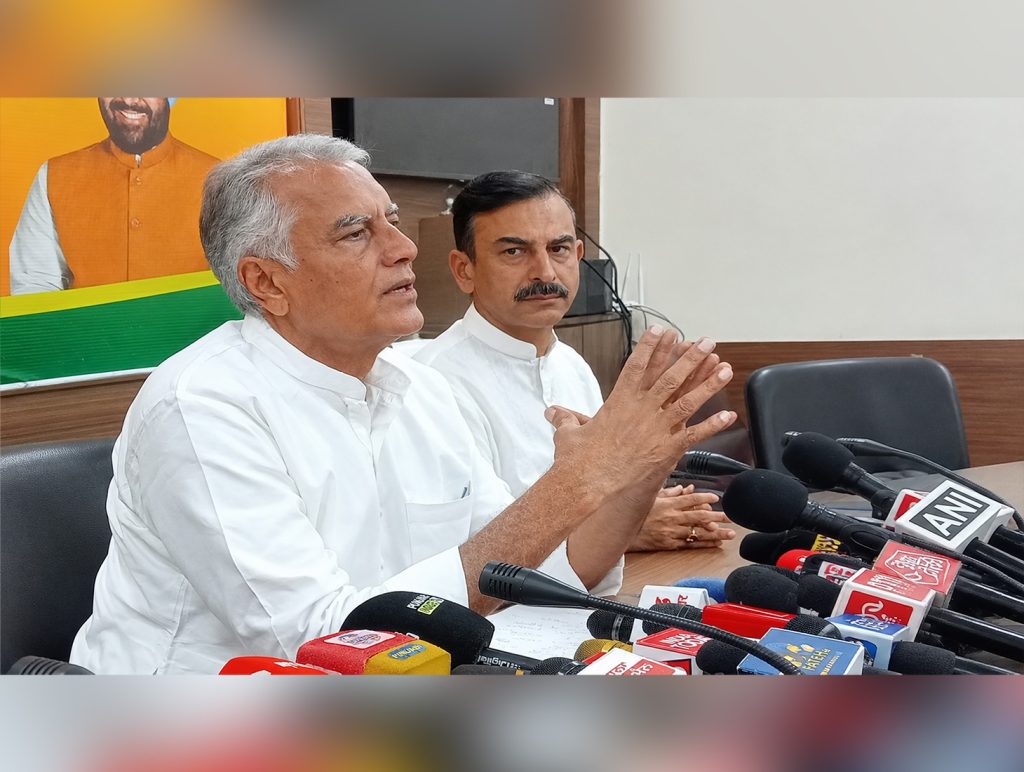
Former Punjab BJP president Sunil Jakhar on Monday challenged the Aam Aadmi Party (AAP) government…

Punjab Chief Minister (CM) Bhagwant Mann on Monday flagged off 100 minibuses at the Punjab…

Congress MP KC Venugopal on Monday said Punjab was facing a serious law and order…

The Punjab Chemists Association (PCA) has directed its members across the state to stop selling…