







 PTI
PTI
Lucknow, March 23
The Uttar Pradesh cabinet on Monday approved a proposal to increase the minimum support price (MSP) of wheat by Rs 160 per quintal for the current procurement season, along with an additional payment of Rs 20 per quintal to farmers towards cleaning, sorting and handling costs.
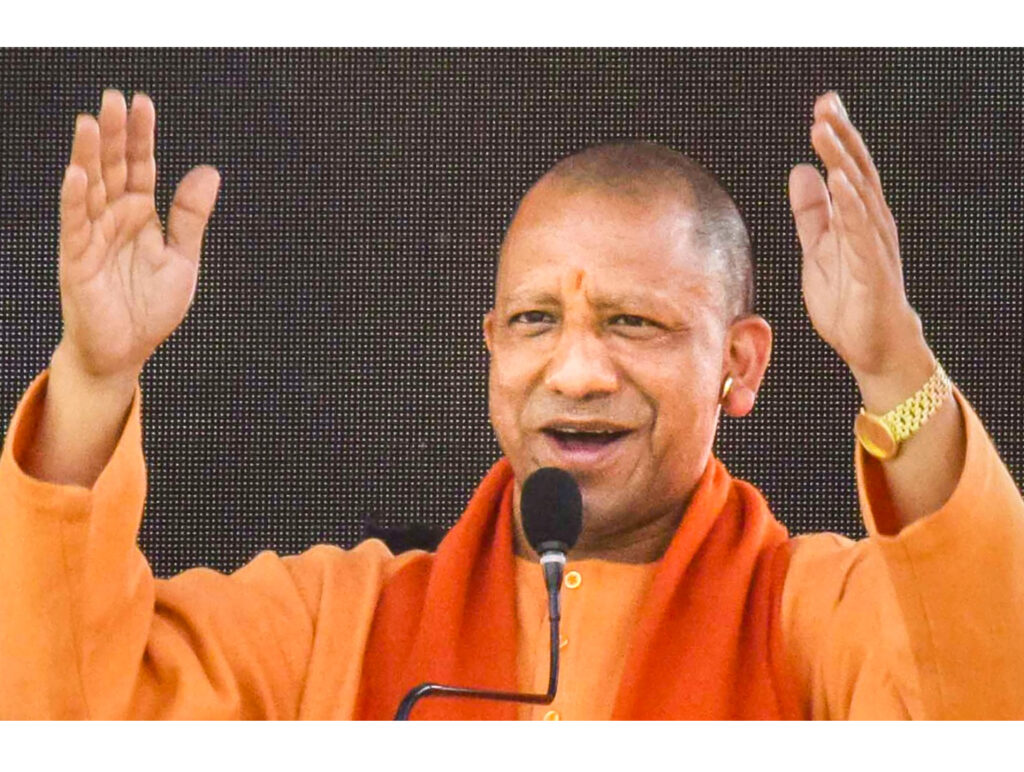
The decision was taken at a cabinet meeting chaired by Chief Minister Yogi Adityanath.
State Agriculture Minister Surya Pratap Shahi told reporters after the meeting that the MSP for wheat has been fixed at Rs 2,585 per quintal by the central government for this year, reflecting an increase of Rs 160 per quintal over the previous year.
He said wheat procurement in the state will begin after Ram Navami, from March 30, 2026, and continue till June 15, 2026. Procurement will be carried out through eight agencies across 6,500 purchase centres in all 75 districts.
These agencies include the Food Corporation of India (FCI), the state Food and Civil Supplies Department, Uttar Pradesh Mandi Parishad, UP PCF, PCU, UP State Warehousing Corporation, NAFED and NCCF, he said.
Shahi added that farmer-producer organisations (FPOs) and farmer-producer companies (FPCs) will also be allowed to participate in procurement, subject to conditions such as having a minimum bank balance of Rs 20 lakh and at least one year of registration.
He further said farmers will receive Rs 20 per quintal through procurement agencies towards expenses incurred on cleaning, sorting and unloading, with the financial burden of around Rs 60 crore to be borne by the Mandi Parishad.
The minister said efforts are being made to ensure maximum procurement of farmers’ produce, with directions issued for farmer registration, publicity and all necessary arrangements.
He added that a good crop is expected this year due to the availability of quality seeds and the government aims to ensure that farmers do not suffer any losses.
Replying to a query, Shahi said while the department had proposed procurement of 30 lakh metric tonnes of wheat, the chief minister has set a target of 50 lakh metric tonnes.
He added that the entire procurement system has been made online to curb the role of middlemen.

More than a decade after the brutal 2012 Delhi gang rape triggered nationwide protests and…

Gold prices fall below Rs 1.53 lakh, silver drops below Rs 2.40 lakh per kg…
UT Administrator inaugurates three-day expo in Chandigarh as over 700 chefs and food industry stakeholders…

Six variants offer claimed IDC range of up to 200 km; priced from Rs 99,999…