








 Dr Kiran Deep
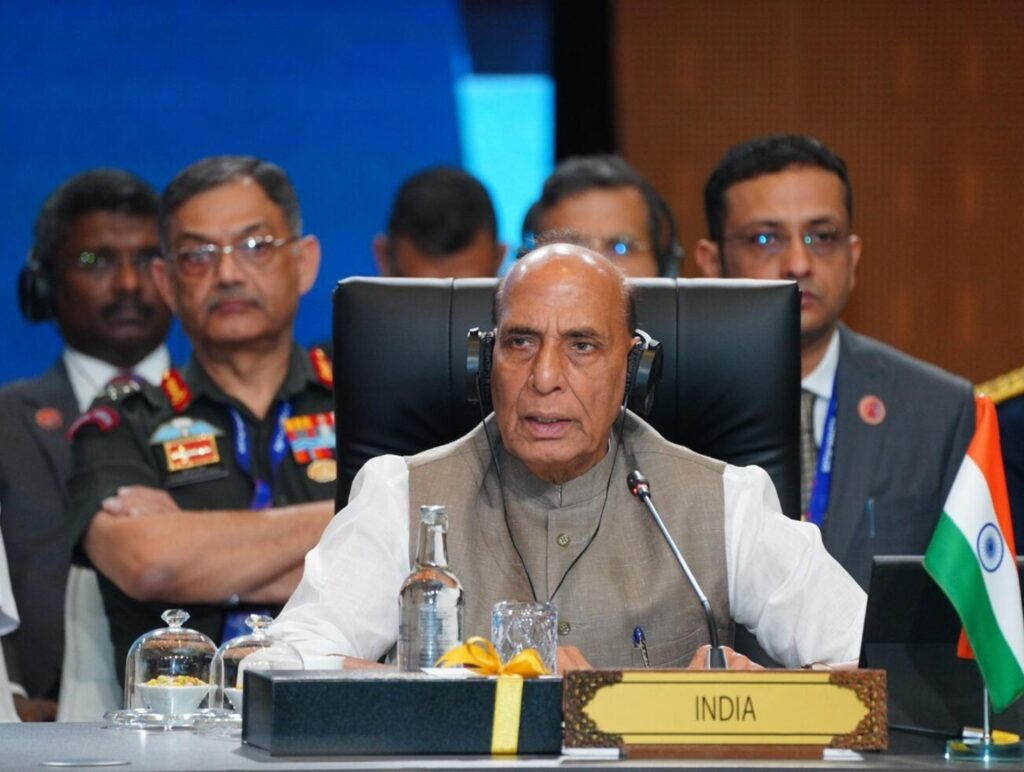
Rajnath Singh: Indigenous defence systems, record production and rising exports have strengthened India’s ability to respond to evolving security threats
New Delhi, July 18
Defence Minister Rajnath Singh on Saturday said that the Operation Sindoor was more than a military mission and it was a demonstration of how years of investment in indigenous defence technology have reshaped the country’s ability to respond to security threats.
Addressing an event in New Delhi on Saturday, he said that the Operation Sindoor reflected India’s “zero tolerance” policy against terrorism while showcasing the growing strength of home-grown defence systems. Addressing the defence officials, industry representatives and innovators, the minister praised the armed forces for carrying out what he described as a technologically advanced operation. He said systems such as the Akash missile defence platform, Akash Teer and BrahMos missiles played an important role, arguing that their successful deployment was the result of sustained efforts to strengthen India’s domestic defence industry over the past decade.
For soldiers on the front lines, Defence Minister said, access to indigenous weapons is not only a matter of capability but also confidence. A nation that depends heavily on foreign suppliers for critical military equipment risks limiting its strategic independence during times of crisis, he said.
The minister linked the success of Operation Sindoor to the government’s broader push for self-reliance in defence manufacturing. He announced that another positive indigenisation list would soon be issued, adding to existing lists that encourage the armed forces and public sector units to procure more equipment from Indian manufacturers.
The Defence Minister said that India’s annual defence production has risen from around ₹40,000 crore in 2014 to nearly ₹1.78 lakh crore in the 2025-26 financial year. Defence exports have also grown sharply, increasing from ₹686 crore in 2013-14 to more than ₹38,000 crore. The government now aims to cross ₹2 lakh crore in defence production this year and ₹3 lakh crore by 2029, while targeting defence exports of ₹50,000 crore by the same year.
The minister said the transformation has been driven not only by government policy but also by engineers, scientists, start-ups, micro, small and medium enterprises (MSMEs) and young innovators. Through programmes such as iDEX, hundreds of start-ups are now developing drones, artificial intelligence, cybersecurity solutions, robotics and other advanced defence technologies.
He said that more than 2,000 defence-focused start-ups are now operating across India, compared with only a few dozen in 2018. He added that procurement worth over ₹2,400 crore has already been approved from start-ups and MSMEs, while projects valued at more than ₹1,500 crore have received support for developing new technologies.
The minister also highlighted reforms designed to make India a global defence manufacturing hub. Defence industrial corridors in Uttar Pradesh and Tamil Nadu, he said, have attracted proposed investments worth around ₹70,000 crore, with about ₹10,000 crore already invested. These projects, he added, have created new employment opportunities while integrating Indian firms into global supply chains.
On defence procurement, he further said that 75 percent of the budget earmarked for military modernisation is now reserved for purchases from Indian industry. A revised Defence Acquisition Procedure, expected later this year, would further prioritise equipment designed, developed and manufactured in India.
Looking beyond the defence sector, he said that India’s growing diplomatic profile is reinforcing its strategic ambitions. Referring to Prime Minister Narendra Modi’s recent visits to Indonesia, Australia and New Zealand, he said partnerships ranging from BrahMos missile cooperation to critical minerals and trade were expanding India’s influence across the Indo-Pacific.
Concluding his address, the defence minister said that India’s long-term ambition was to become a trusted global security partner by 2047, equipped with indigenous technology, a vibrant defence industry and an innovation ecosystem driven by young talent. He said the vision of a self-reliant India would ensure that the country’s security, industrial growth and technological progress advance together.
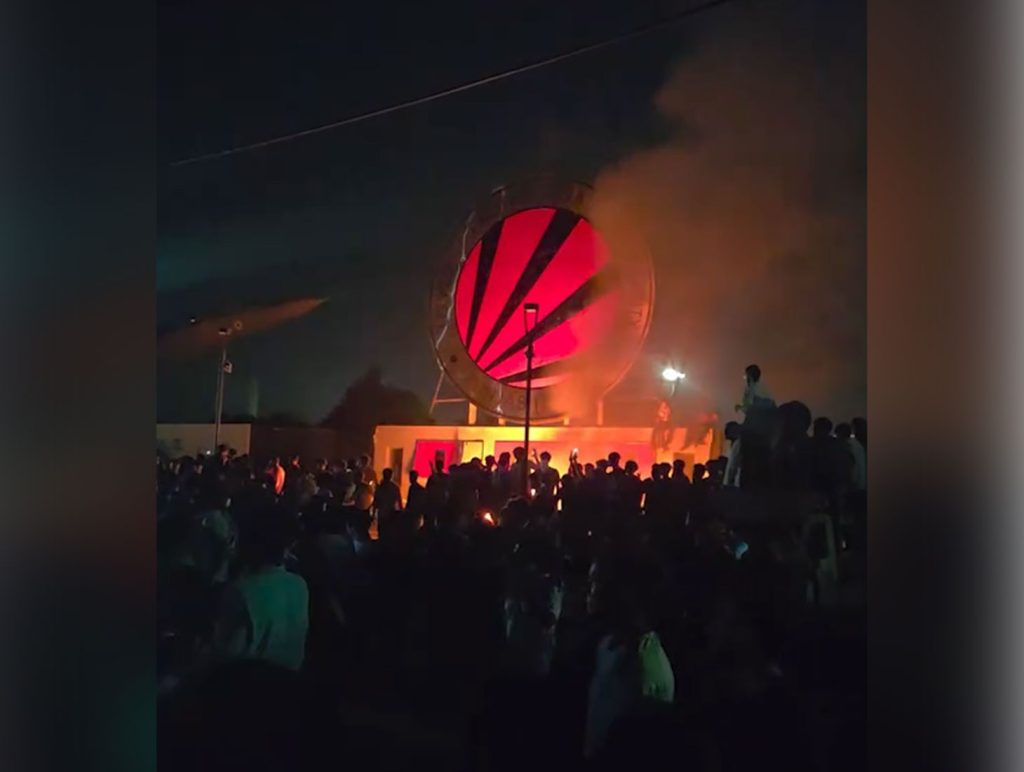
Two universities in Punjab. Two student protests. Two outbreaks of violence within days of each…
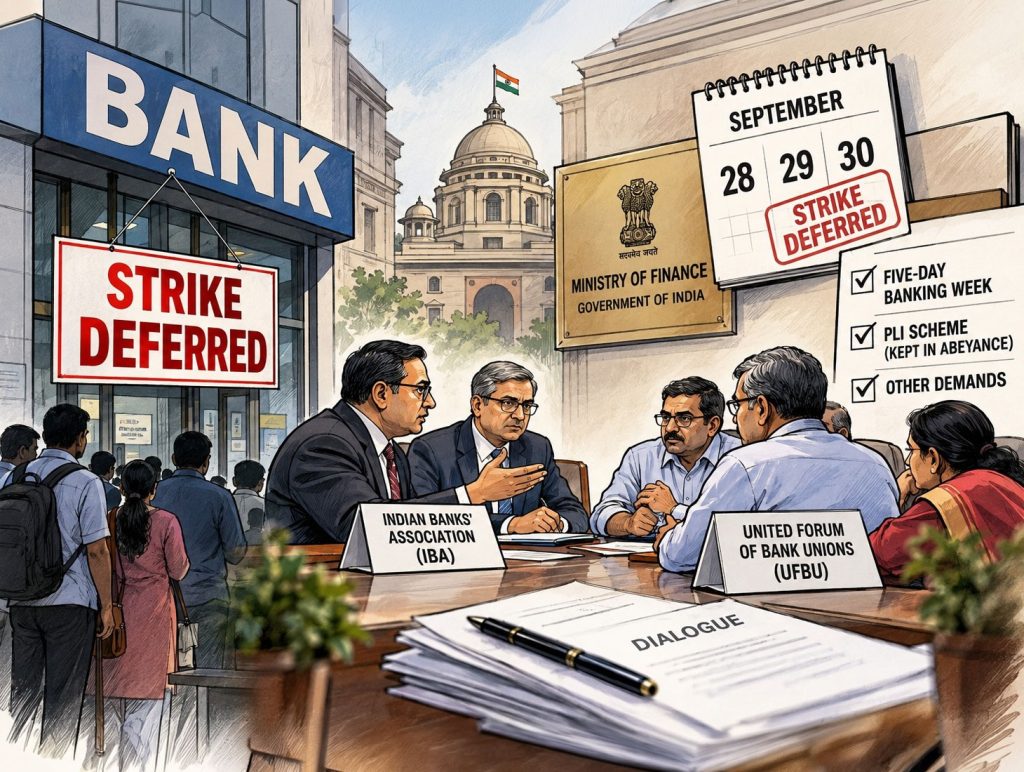
Five-day banking remains key demand; PLI scheme already kept in abeyance by government Chandigarh, September…
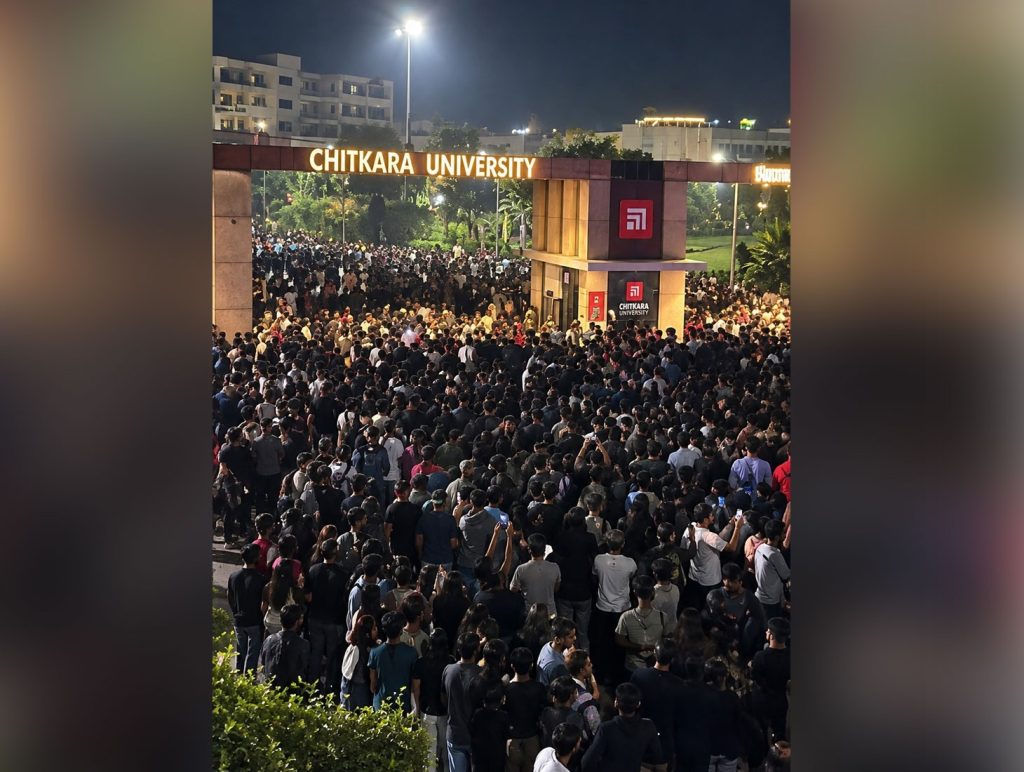
What happened at Chitkara University on September 25 and what followed at Lovely Professional University…
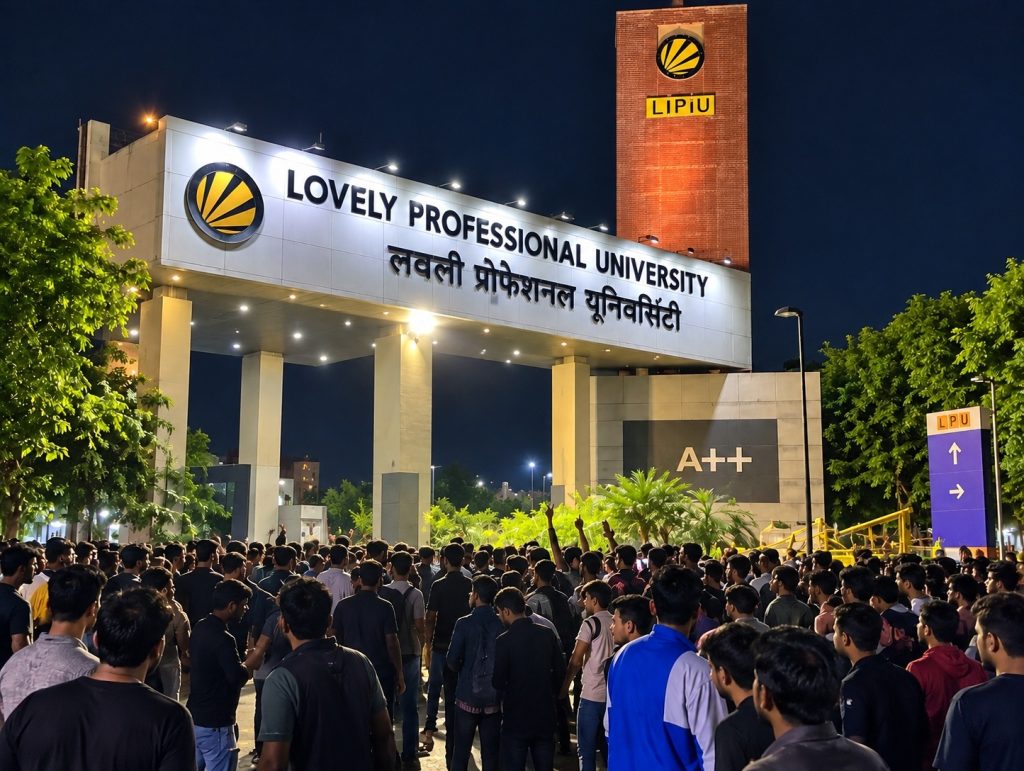
Chandigarh, September 27 A protest erupted at Lovely Professional University in Phagwara late on Saturday…