








 The North News
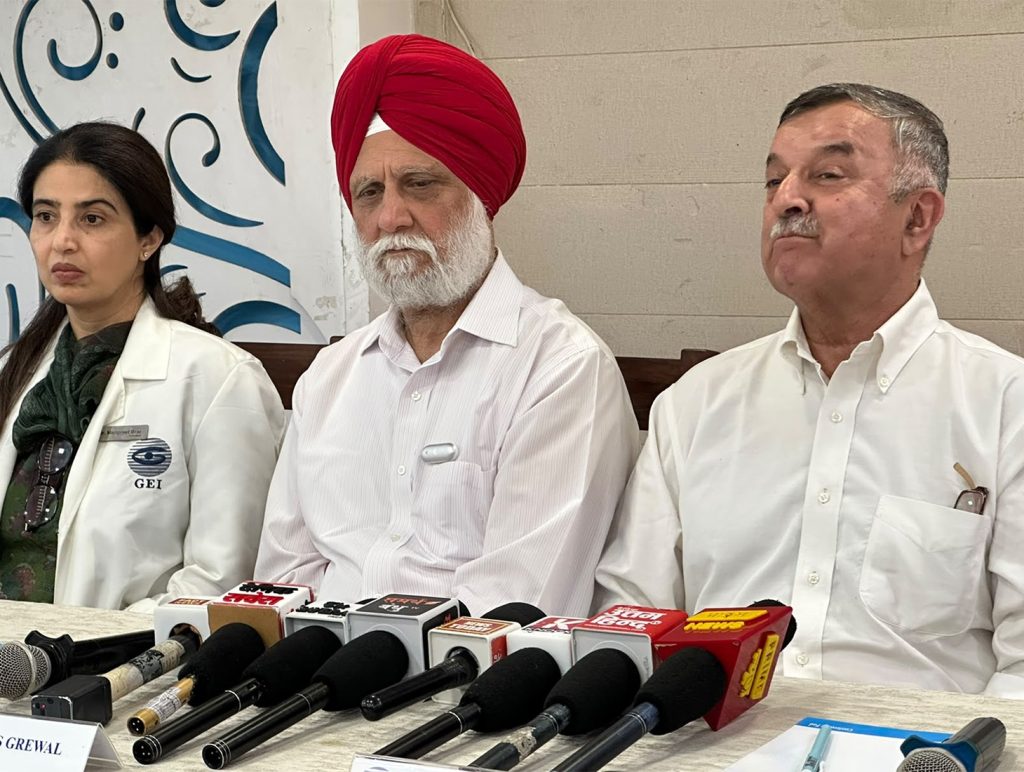
More than one crore people in India could be affected by diabetic retinopathy, a diabetes-related eye condition that can lead to vision loss if left untreated. Experts at Grewal Eye Institute (GEI), Medicity, New Chandigarh, have stressed the need for regular retinal screening, warning that the disease often develops without noticeable symptoms in its early stages.
Ahead of World Diabetes Day on November 14, GEI organised a press conference at Chandigarh Press Club on Tuesday under its public awareness initiative ‘Chirag’. Experts said timely diagnosis and treatment could prevent more than 90 per cent of diabetes-related blindness cases.
Dr SPS Grewal, CEO and Managing Director of GEI, said several patients with Type-2 diabetes may already have diabetic retinopathy when diagnosed, as diabetes can remain undetected for years. He emphasised that regular retinal examinations are necessary even when patients experience no vision-related problems. Rising diabetes cases, sedentary lifestyles and unhealthy eating habits have further increased the importance of preventive screening.
Dr Mangat Ram Dogra, Director, Retina Services at GEI, cited the SMART India study published in The Lancet Global Health in 2022, which estimated the prevalence of diabetic retinopathy among people with diabetes in India at 12.5 per cent. Based on the country’s diabetic population, this translates into more than one crore potentially affected people.
He also referred to a rural Uttar Pradesh survey published in BMJ Open in 2025, which found that 84.8 per cent of diabetes patients aged 50 and above had never undergone retinal screening. Among those diagnosed with severe diabetic retinopathy, only 15.4 per cent had received treatment.
Dr Dogra said patients with Type-2 diabetes should undergo a comprehensive eye examination at the time of diagnosis, while those with Type-1 diabetes should have their first screening within five years of diagnosis. Annual examinations are generally recommended thereafter.
According to figures cited by the institute, around 58.9 crore people aged 20 to 79 worldwide were living with diabetes in 2024. India accounted for approximately 8.98 crore cases, a figure projected to rise to 15.67 crore by 2050.
Dr Manpreet Brar, Senior Consultant, Vitreoretina and Uveitis at GEI, said the institute uses advanced diagnostic systems and technology for early detection and precise treatment of eye diseases, helping improve visual outcomes for patients.
Experts explained that prolonged high blood sugar levels damage the small blood vessels in the retina, potentially causing diabetic retinopathy. Blurred vision, dark spots or floaters and sudden loss of vision are among its warning signs. Patients experiencing these symptoms should consult an eye specialist immediately.
They added that blood sugar control, regular retinal examinations and timely interventions, including laser therapy and intravitreal injections, can help prevent severe vision loss. Retinal screening is also important for pregnant women with diabetes and those planning pregnancy.

Around one lakh central government employees, retired officials, pensioners and their family members are expected…
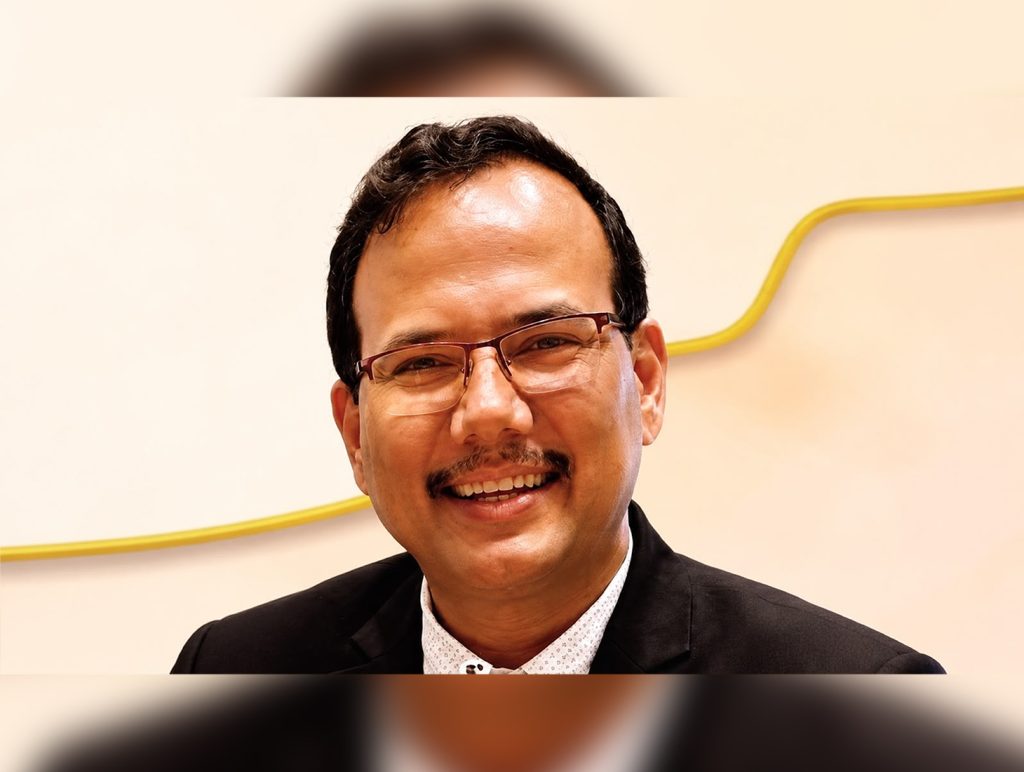
In a surgical milestone, the Department of Urology at the Postgraduate Institute of Medical Education…
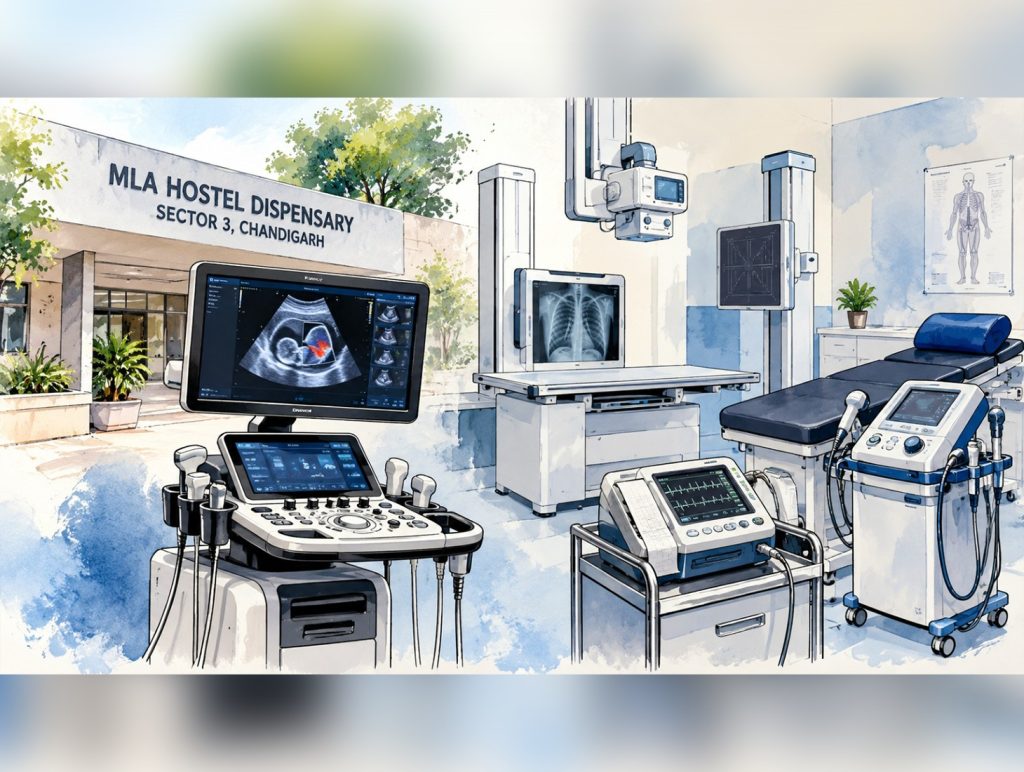
The MLA Hostel Dispensary in Sector 3, Chandigarh, has added medical equipment worth Rs 1.20…
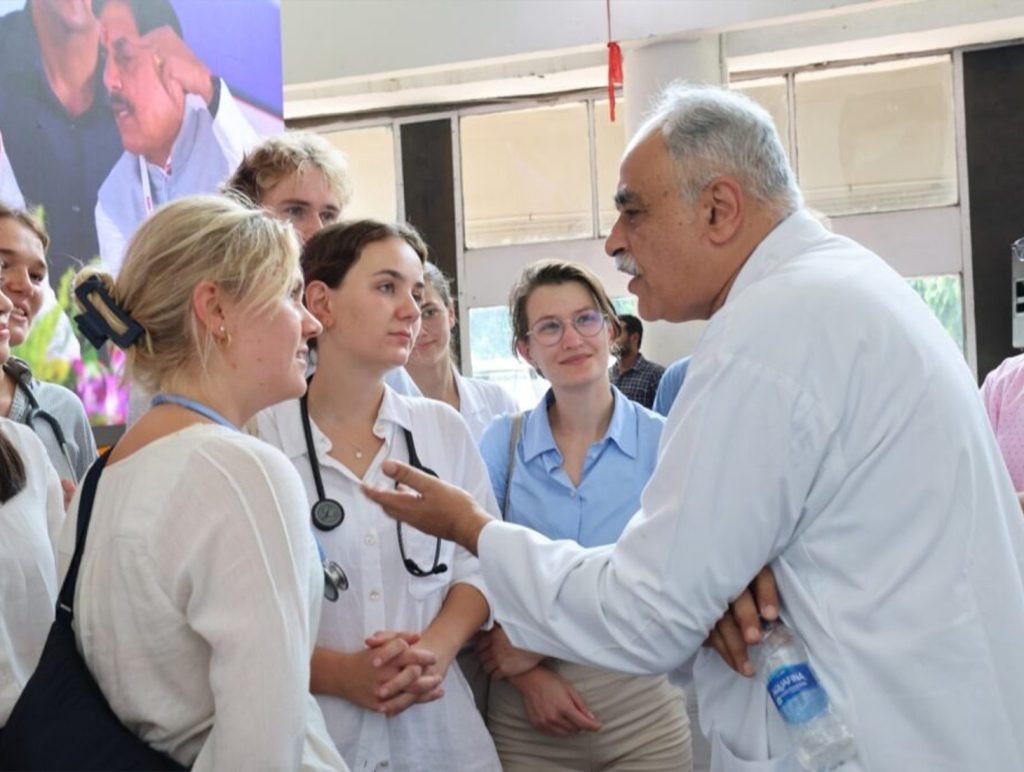
PGIMER Director Prof Vivek Lal has called for greater public awareness and community participation to…