


 The North News
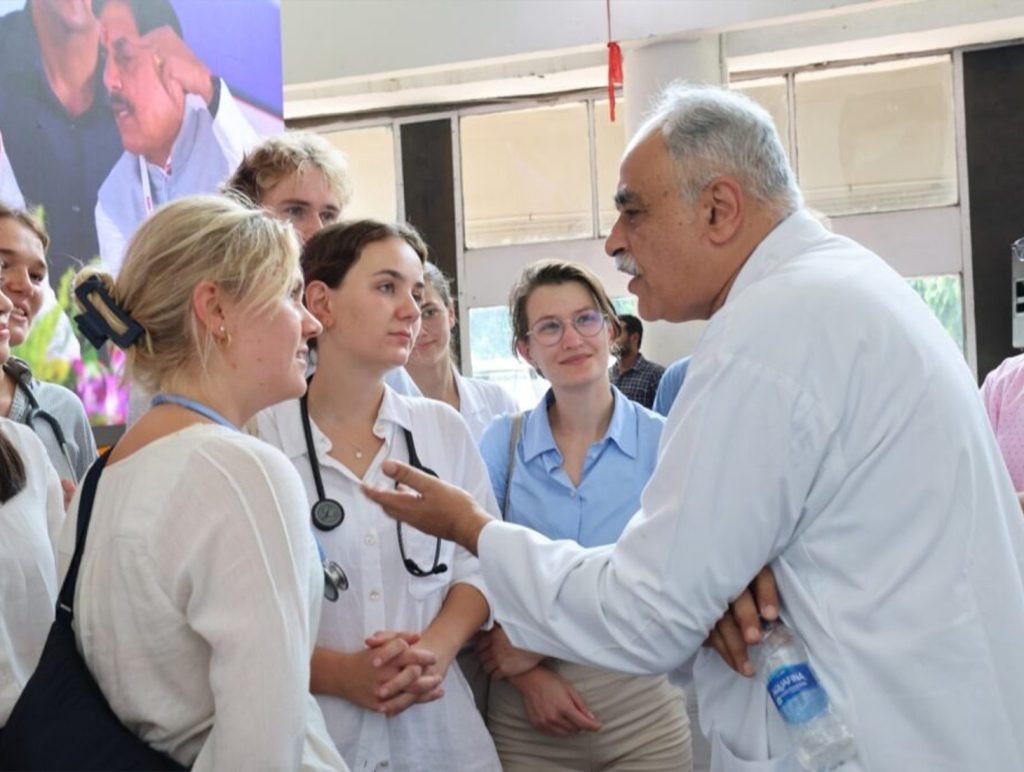
PGIMER Director Prof Vivek Lal has called for greater public awareness and community participation to strengthen deceased organ donation and transplantation services, stressing the need to take awareness efforts beyond hospitals to villages and panchayats.
He was speaking at “CONTINUUM: The Continuity of Life”, a CME-cum-training programme on deceased organ donation organised by ROTTO North in association with the Department of Hospital Administration at the APC Auditorium, PGIMER.
Prof Lal, the chief guest, said donor families showed extraordinary courage by choosing organ donation amid personal grief. He also stressed coordination among clinicians, nursing officers and transplant coordinators to improve donation and transplantation services.
Prof Ashok Kumar, Medical Superintendent, PGIMER, who attended as guest of honour, said deceased organ donation required collective institutional responsibility. Timely identification of potential donors, brain-stem death certification, interdepartmental coordination and sensitive communication with grieving families were critical to the process, he added.
Dr Vijay Tadia, Nodal Officer, ROTTO North, said the programme aimed to improve the preparedness of resident doctors and nursing officers. He outlined plans to hold monthly training programmes to promote continuous learning and build a sustainable culture of deceased organ donation at the institute.
The family of young organ donor Surinder Kaur was felicitated during the programme. Her uncle, Jaspal Singh, said the knowledge that her organs could help others live had given the family’s grief a deeper meaning. He expressed hope that her donation would inspire other families.
Students from the Institute for the Blind presented a tribute highlighting empathy and the impact of organ donation. A training compendium was also released to support structured learning among healthcare professionals.
Scientific sessions covered potential donor identification, organ transplantation and allocation, medico-legal and ethical issues, donor optimisation, brain-stem death diagnosis and certification, and hospital donation workflows.
The programme brought together clinical experts, resident doctors, nursing officers and hospital staff to strengthen coordination and preparedness for deceased organ donation.
Jaipur-based firm gathers discarded oil from four towns as Food Safety Department steps up monitoring…
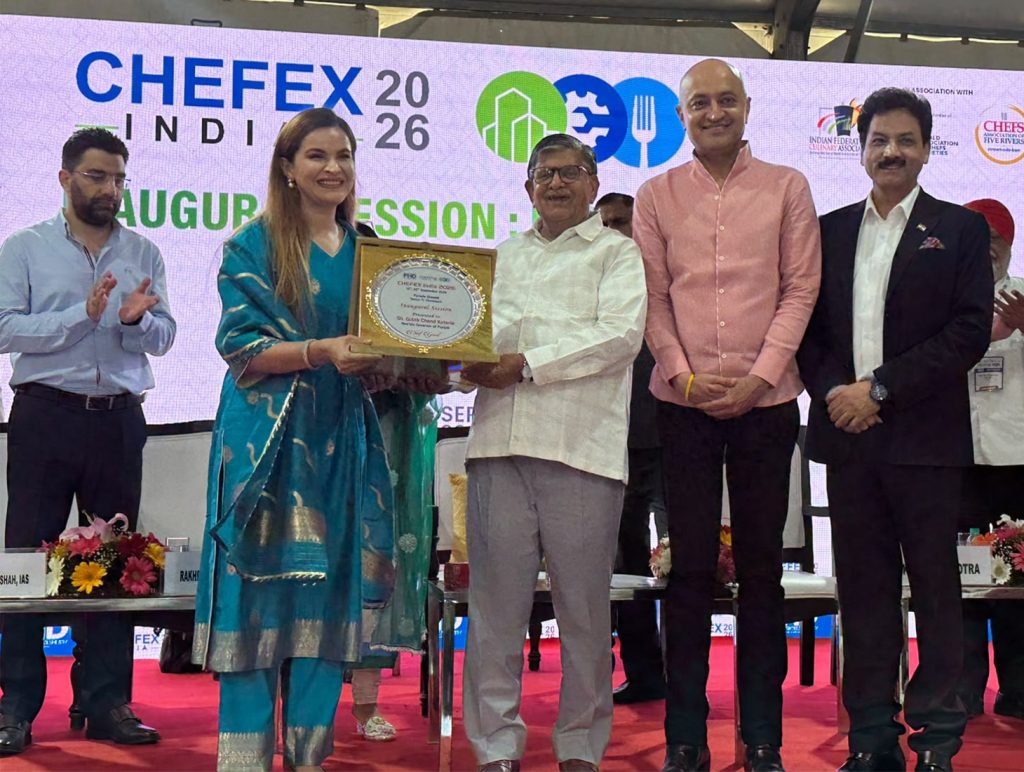
UT Administrator inaugurates three-day expo in Chandigarh as over 700 chefs and food industry stakeholders…
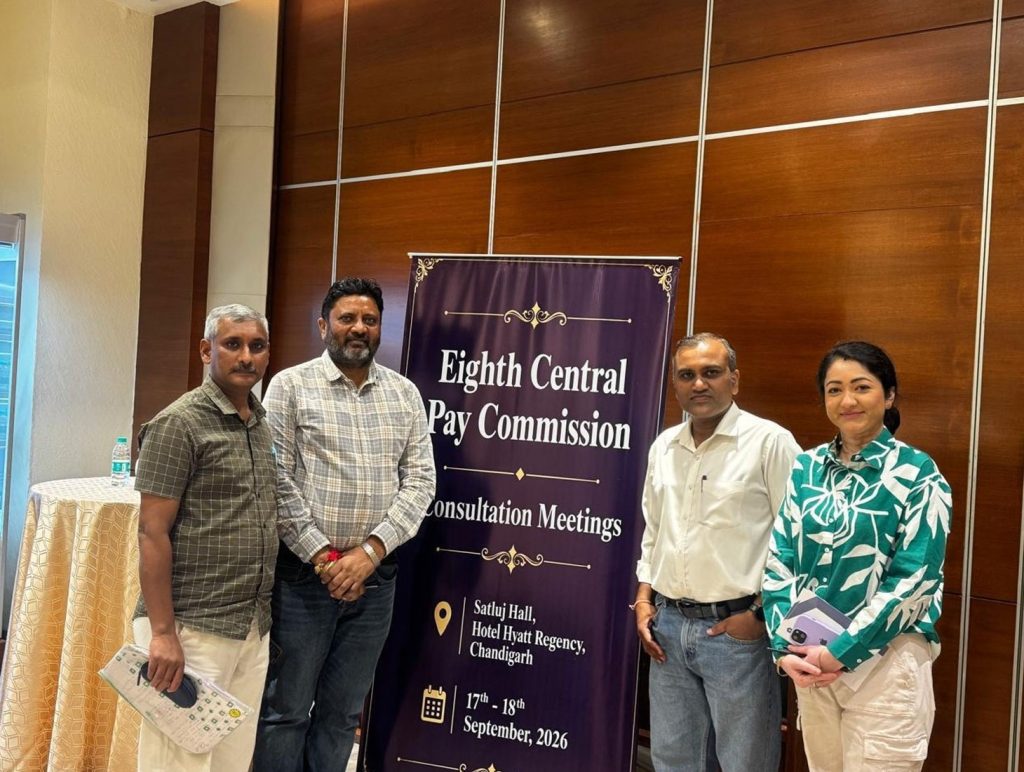
Union places long-pending demands before 8th Pay Commission, seeks five-tier structure, uniform recruitment rules and…
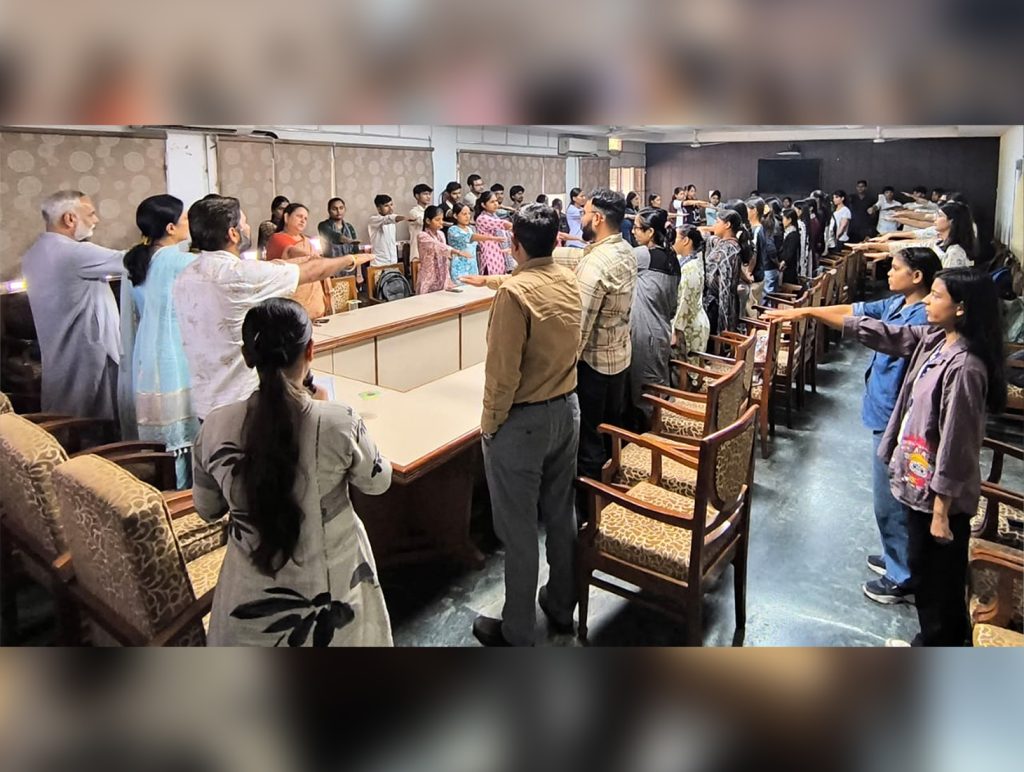
Experts highlight psychological and social effects of addiction; students take pledge for drug-free society Panchkula,…