







 PTI
PTI
New Delhi, May 13
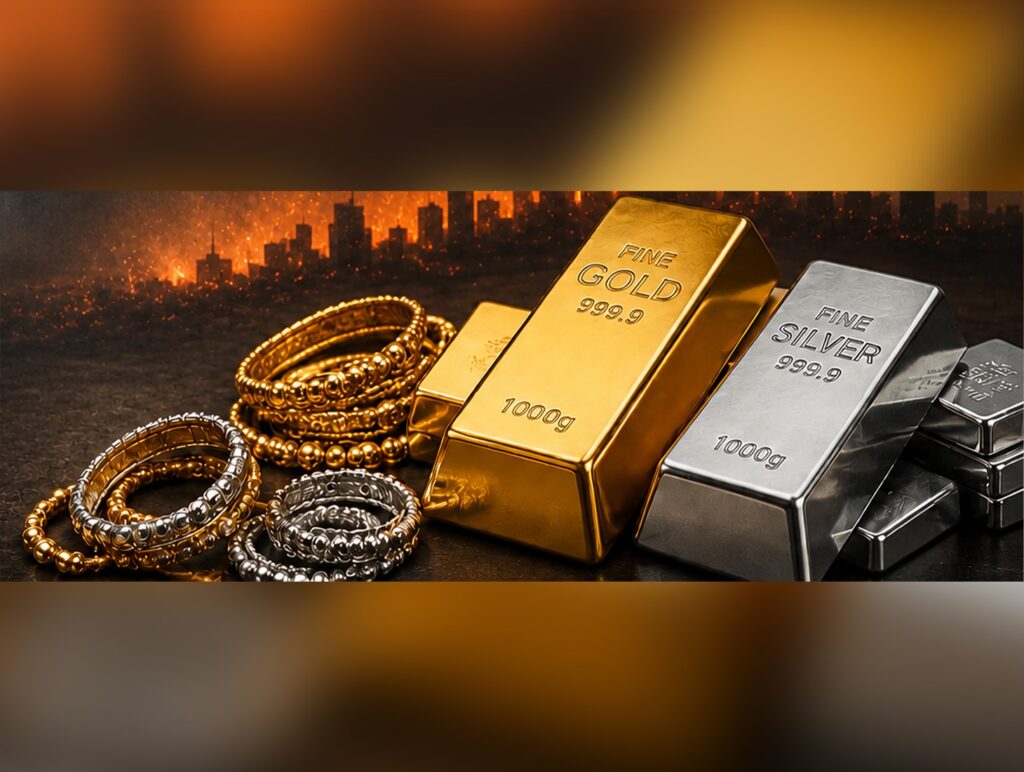
The Centre on Wednesday increased the import duty on gold and silver to 15 per cent in a move aimed at reducing non-essential imports and easing pressure on the country’s foreign exchange reserves amid the ongoing crisis in West Asia.
The revised customs duty structure came into effect from May 13. Import duty on gold and silver has been increased from 6 per cent to 15 per cent, while the duty on platinum has been raised from 6.4 per cent to 15.4 per cent. The government has also introduced related changes in duties on items including gold and silver dore, coins and findings.
The decision comes days after Prime Minister Narendra Modi urged citizens to avoid unnecessary gold purchases and adopt austerity measures to conserve foreign exchange reserves amid the geopolitical crisis. India remains the world’s second-largest consumer of gold after China, with demand largely driven by the jewellery industry. Officials said gold imports entail a significant outflow of foreign exchange, and moderating discretionary imports could help maintain macroeconomic stability amid global uncertainty.
Government sources described the increase in import duties as a preventive, calibrated measure taken under extraordinary external conditions. Officials said the government preferred moderate-price-based disincentives rather than stricter quantitative restrictions to maintain market flexibility while discouraging avoidable imports.
Industry representatives, however, expressed concern over the impact of the move on consumers and the jewellery trade.
All India Gems and Jewellery Council Chairman Rajesh Rokde said the increase in duty could push gold prices by nearly Rs 27,000 per 10 grams and may lead to a rise in smuggling and grey-market activities.
Senco Gold and Diamonds Managing Director and Chief Executive Officer Suvankar Sen said the higher import duty may remain in place until the West Asia crisis eases. He said jewellery sales volumes could decline by 10 to 15 per cent, although consumers are expected to continue purchasing lighter jewellery due to rising prices.
According to government sources, the conflict in West Asia and disruptions around the Strait of Hormuz are likely to increase India’s import bill, particularly for crude oil, fertilisers and food products. Officials said the government intends to prioritise foreign exchange spending on essential imports linked to economic activity and food security.
India imports nearly 87 per cent of its crude oil requirement, and a significant portion of those supplies passes through or near the Strait of Hormuz. Rising geopolitical tensions have pushed Brent crude prices from around USD 73 per barrel before the conflict to nearly USD 107 per barrel.
Official data showed India’s gold imports rose more than 24 per cent to a record USD 71.98 billion in 2025 to 26, despite a slight decline in import volumes.
In the domestic market, gold prices in Delhi rose by Rs 1,500 to Rs 1,56,800 per 10 grams on Tuesday, while silver prices climbed by Rs 12,000 per kilogram.
Chief Economic Advisor V Anantha Nageswaran on Tuesday described the West Asia crisis as a “live balance of payments stress test” with implications for inflation, the current account deficit and the exchange rate. The Indian rupee also touched a record low of 95.63 against the US dollar on Tuesday.
Earlier this week, Prime Minister Modi called for reduced fuel consumption, the postponement of non-essential foreign travel, and limited gold purchases as part of efforts to conserve foreign exchange reserves amid the ongoing crisis in West Asia.
Gold prices fall below Rs 1.53 lakh, silver drops below Rs 2.40 lakh per kg…
UT Administrator inaugurates three-day expo in Chandigarh as over 700 chefs and food industry stakeholders…

Six variants offer claimed IDC range of up to 200 km; priced from Rs 99,999…

Revised MDR applies to select high-value merchant transactions, with safeguards for users Chandigarh, September 16…