








 PTI
PTI
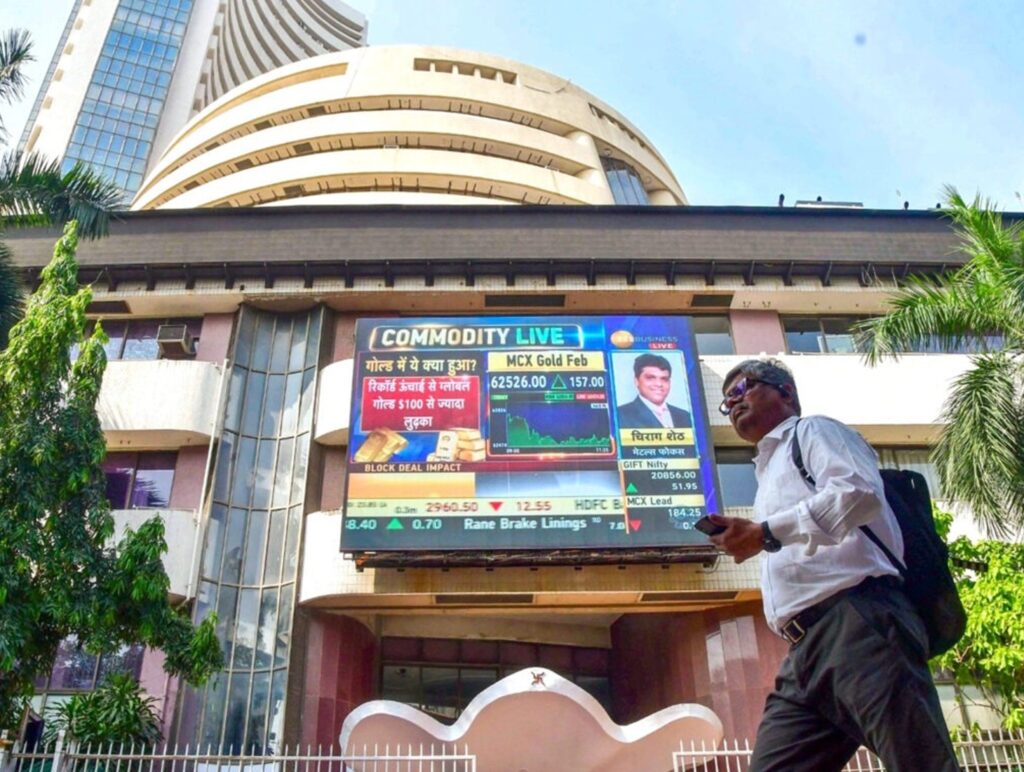
Mumbai, April 17
Benchmark equity indices Sensex and Nifty opened on a positive note in early trade on Friday, supported by easing geopolitical concerns and fresh buying by foreign institutional investors.
The BSE Sensex rose 177.52 points to 78,166.20 in early deals, while the NSE Nifty gained 37.4 points to 24,234.15, reflecting improved investor sentiment at the start of the session. Market participants took cues from reports of a temporary ceasefire between Israel and Lebanon, which is seen as a possible step towards renewed talks between the United States and Iran. Analysts said this development has strengthened global sentiment, though some caution remains in Asian markets.
Among the Sensex constituents, ITC, Adani Ports, Maruti, Trent, Power Grid, and Hindustan Unilever were among the major gainers. HCL Tech, Tata Steel, Bajaj Finance, and ICICI Bank were among the stocks that traded lower. Brent crude prices fell 1.23 per cent to USD 98.17 per barrel, providing some comfort on the inflation front.
Asian markets, including South Korea’s Kospi, Japan’s Nikkei 225, Shanghai’s SSE Composite, and Hong Kong’s Hang Seng index, were trading lower, indicating a cautious outlook among regional investors. US markets had ended marginally higher in the previous session. VK Vijayakumar, Chief Investment Strategist at Geojit Investments Limited, said the resilience of US markets, along with positive developments related to the ceasefire, were supporting the domestic market.
Hariprasad K, Research Analyst and Founder of Livelong Wealth, said US indices have continued to scale record highs on expectations of easing tensions in the Middle East. He said that while global sentiment has improved, Asian markets remain cautious due to concerns over the sustainability of such developments. On Thursday, the Sensex had declined 122.56 points to close at 77,988.68, while the Nifty fell 34.55 points to 24,196.75. The near-term market movement is expected to remain influenced by global cues, foreign fund flows, and developments on the geopolitical front.
Gold prices fall below Rs 1.53 lakh, silver drops below Rs 2.40 lakh per kg…
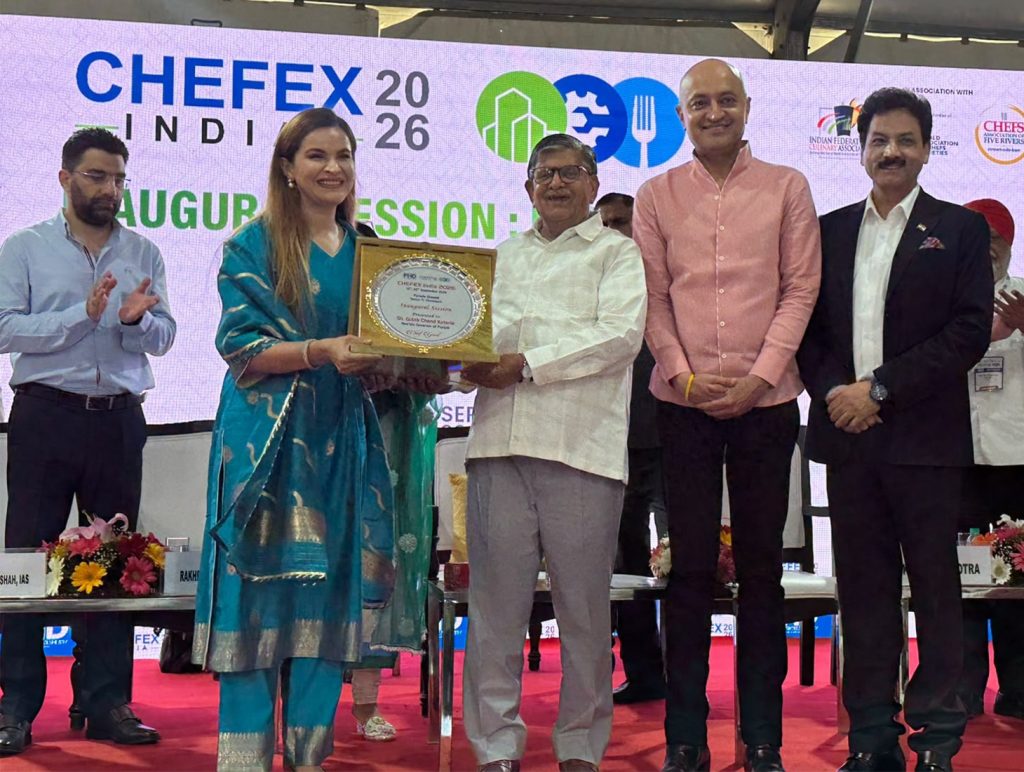
UT Administrator inaugurates three-day expo in Chandigarh as over 700 chefs and food industry stakeholders…
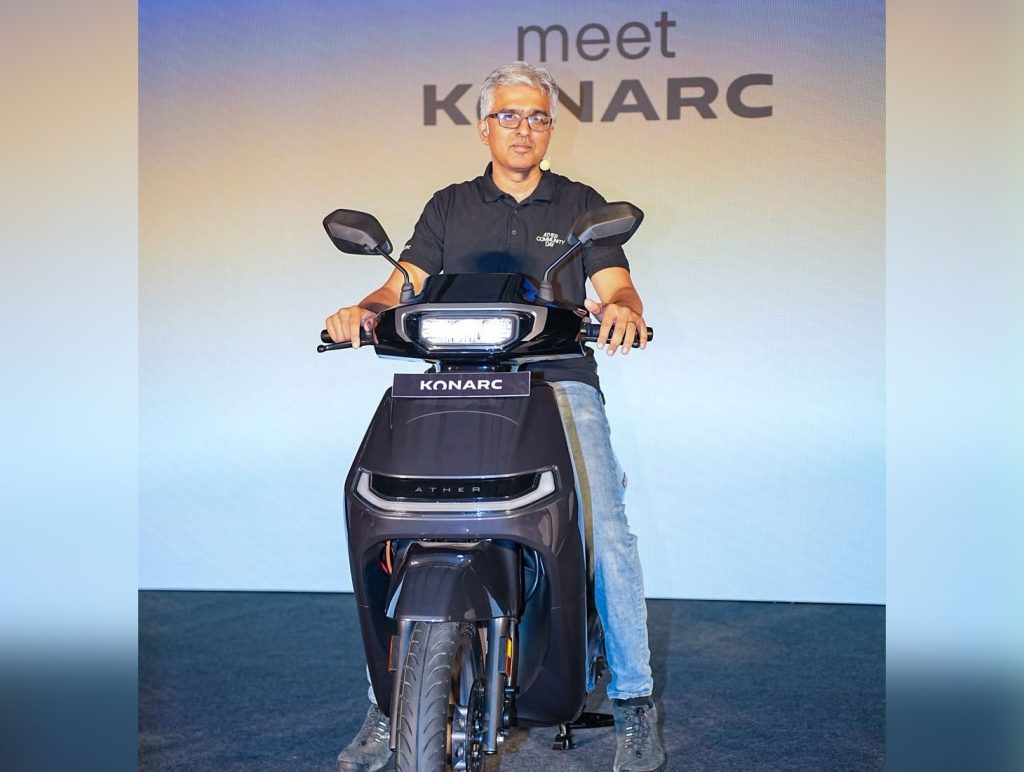
Six variants offer claimed IDC range of up to 200 km; priced from Rs 99,999…

Revised MDR applies to select high-value merchant transactions, with safeguards for users Chandigarh, September 16…