







 The North News
New Delhi , August 9
The Indian Medical Association (IMA) is strongly opposing, across the country, the Maharashtra government’s notification regarding the registration of BHMS graduates who have completed the Certificate Course in Modern Pharmacology (CCMP), arguing that healthcare reforms must prioritize patient safety, professional competence and evidence-based treatment.
The issue has reignited a wider debate over the future of India’s healthcare system and the scope of clinical practice by practitioners from different systems of medicine.
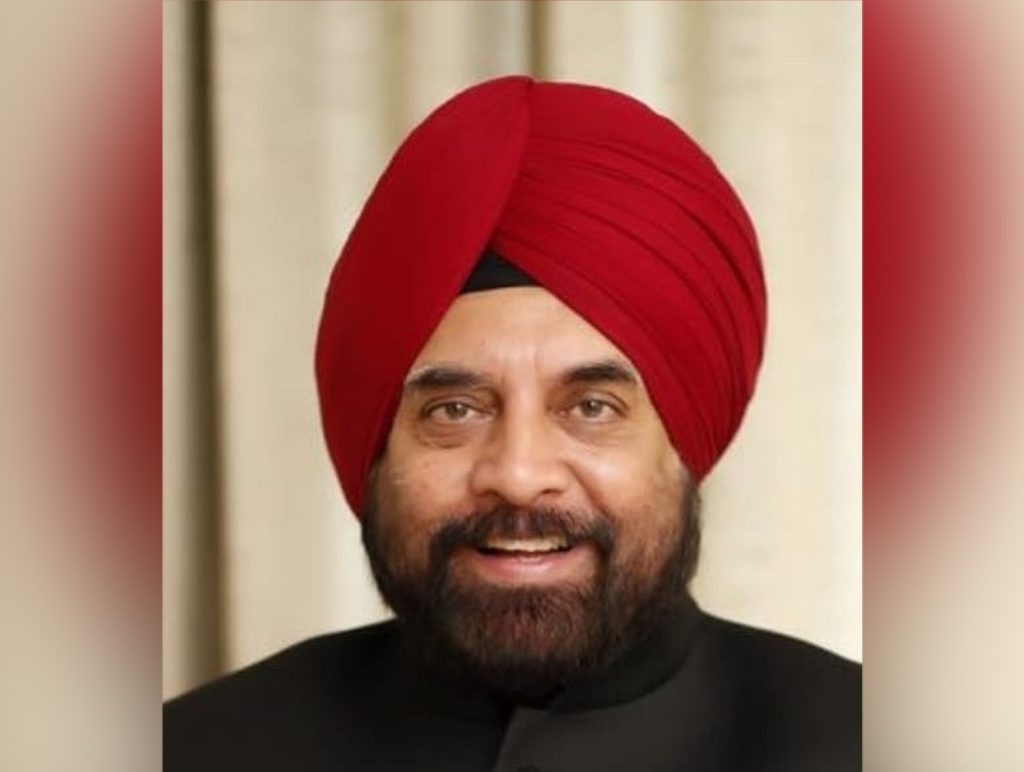
Dr Ramneek Singh Bedi, a former WHO consultant, an advisor on medical ethics to the World Medical Association, and a former national vice-president of the IMA, said the debate should not be viewed simply as a contest between different medical systems.
“The guiding principle of medicine remains unchanged — Primum Non Nocere, or first, do no harm,” Bedi said, stressing that every healthcare reform should ultimately be judged by whether it makes patient care safer.
He said modern medicine requires structured education, supervised clinical training, scientific reasoning and continuous learning. Diagnosis and treatment also require clinical judgment, recognition of professional limitations, and timely referral, making competence, accountability, and clearly defined professional boundaries essential for patient safety.
According to Bedi, India’s pluralistic healthcare system plays an important role in the recognition of systems, including modern medicine, Ayurveda, Homeopathy, Unani, Siddha, Yoga and Naturopathy. However, he said these systems should be strengthened through better education, scientific research, standardization, pharmacovigilance and evidence generation rather than by blurring professional identities.
The debate comes at a time when India’s healthcare infrastructure and medical education capacity have expanded significantly. The country has seen a substantial increase in the number of medical colleges, MBBS and postgraduate seats, and the expansion of AIIMS institutions, government medical colleges, Ayushman Bharat, and the Ayushman Bharat Digital Mission.
Bedi said the first phase of healthcare reforms has largely focused on increasing capacity, but the next challenge is improving the quality of care. He identified patient safety, infection prevention, antimicrobial resistance, rational antibiotic use, referral systems, research, medical ethics and clinical governance as key priorities.
He also called for stronger primary healthcare, referral linkages, emergency preparedness, digital health, artificial intelligence and continuing medical education.
The private healthcare sector, he said, should also be treated as an important partner in strengthening India’s health system. Public-private partnerships, realistic reimbursement under Ayushman Bharat and timely payments to accredited hospitals could improve access to secondary and tertiary care while reducing the burden on government facilities.
Medical education, meanwhile, requires greater attention to affordability, faculty quality, research, mentorship and student well-being. Bedi said India must focus not merely on producing more doctors but on developing better clinicians, researchers, teachers and healthcare leaders.
He also flagged the rising cost of medical education and the financial pressure faced by families and students. High tuition fees, educational loans and the pressure to recover educational investments can add to the stress associated with medical training.
Bedi said affordable government medical education, scholarships, transparent fee regulation, structured mentoring and psychological support should form an integral part of medical education policy.
Looking towards 2047, he called for a comprehensive National Health Policy focused on quality rather than numbers alone. Such a policy, he said, should aim to create a healthcare system in which technology supports compassionate care, recognized medical systems develop on sound scientific foundations, and patients receive safe, ethical and evidence-based treatment.
The Maharashtra CCMP notification, he said, should not define India’s healthcare future but instead encourage broader reforms aimed at strengthening quality, safety, accessibility, and public trust.
Ultimately, the success of India’s healthcare system should be measured not only by the number of doctors, hospitals, or insurance schemes, but also by whether citizens can enter a healthcare facility with confidence that they will receive safe, competent, and compassionate care.

More than 700 people were detained in Delhi on Friday during protests calling for Chief…
New Delhi:Indian pilot Captain Smit Machchhar on Friday spoken to Prime Minister Narendra Modi about…
Amarinder Singh Raja Warring resigned as Punjab Congress president on Friday morning. By evening, the…
Punjab’s drug crisis is no longer just a public health emergency or a policing challenge.…