Spread the news

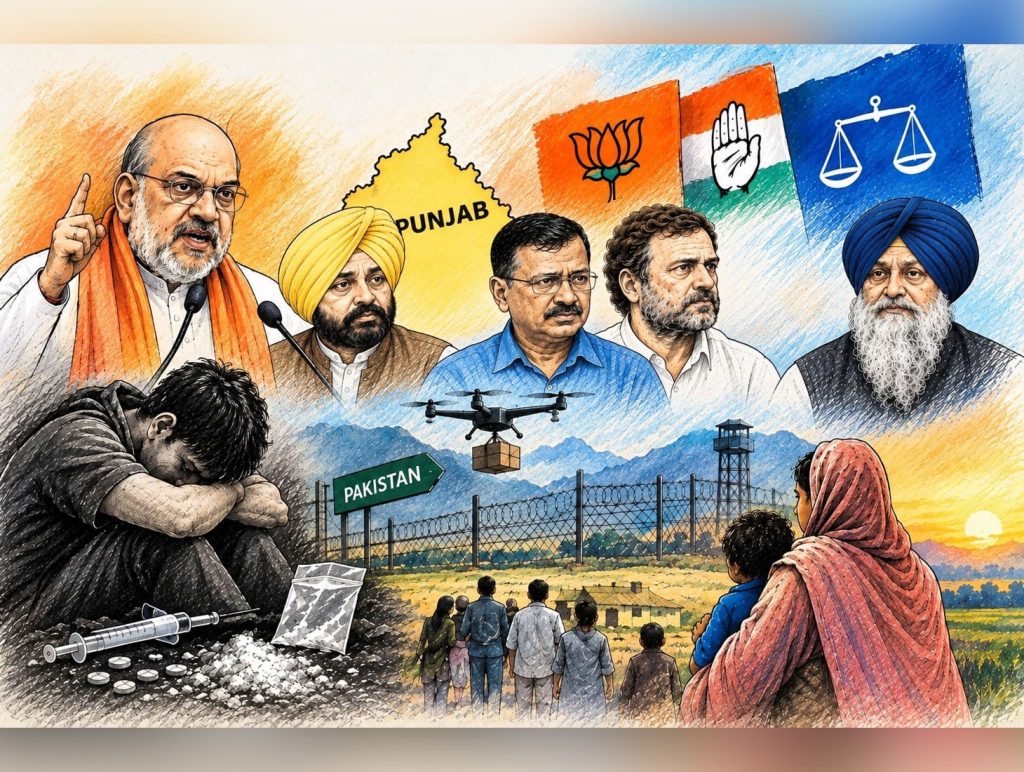
Punjab’s drug crisis is no longer just a public health emergency or a policing challenge. It is becoming one of the defining political issues of the 2027 Assembly election.
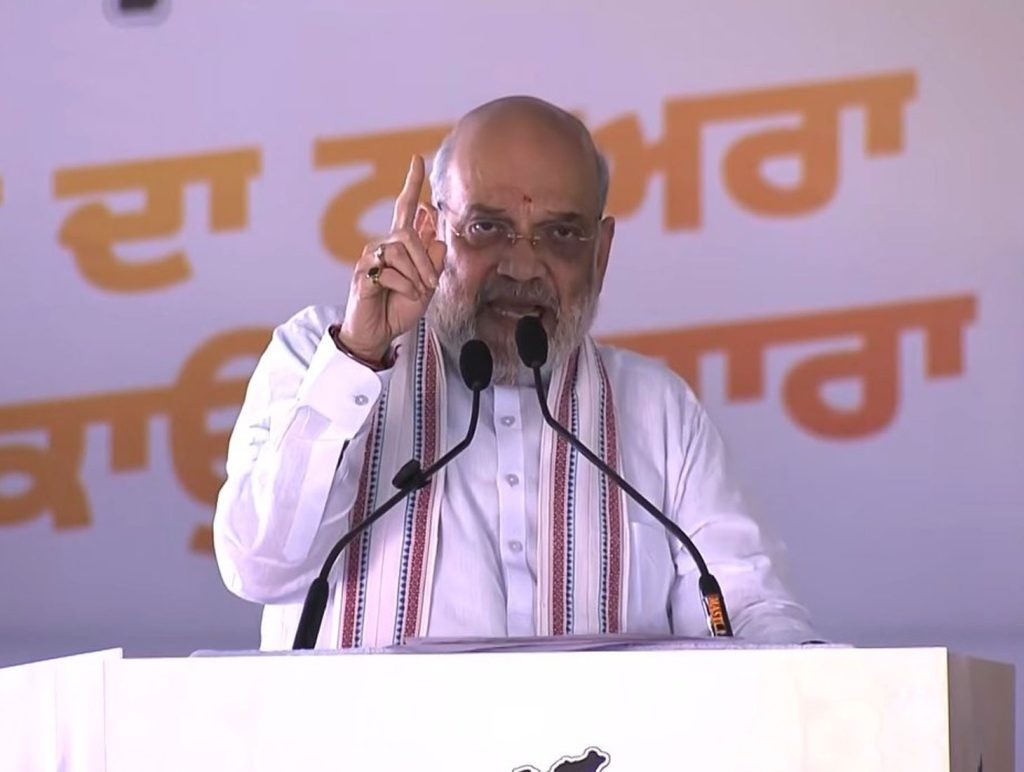
The latest push came on September 30, when Union Home Minister Amit Shah, addressing a rally in Jalandhar, promised that a BJP government would make Punjab drug free by December 31, 2029. He asked voters to back the BJP, arguing that the party had confronted terrorism and Naxalism and would now take on drugs.
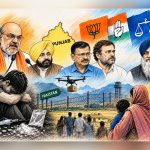
The BJP has already placed the issue at the heart of its campaign. Its 13 day Nasha Mukt Punjab Yatra travelled about 4,000km through all 117 Assembly constituencies before ending in Jalandhar. The Shiromani Akali Dal has launched its own anti drug campaign, while the Congress has attacked both the state and central governments.
For the Aam Aadmi Party(AAP) government, the answer has been its Yudh Nasheyan Virudh campaign launched in March 2025. The political message from all sides is clear. Drugs are serious problem. What remains deeply contested is who is responsible, where the supply chain begins and what should count as success.
The death of Gulzar Singh, a daily wage worker from Sangrur, has given the political argument a human dimension. Singh had publicly questioned Punjab Finance Minister Harpal Singh Cheema about the availability of drugs and his son’s addiction. He later recorded a video after consuming poison and died. His family alleged that he had faced pressure after raising the issue. Police registered a case involving several people, while political parties offered sharply different accounts of what happened. Cheema and the AAP have denied any role.
Congress, BJP and SAD leaders have used the case to attack the government. Its significance, however, goes beyond the political blame game. It showed how a crisis usually discussed through seizure figures and arrest statistics reaches into ordinary homes.
The addiction is about parents watching children struggle with dependence, families trying to find and afford treatment and communities living alongside an illegal market that can change faster than the institutions trying to contain it. Gulzar Singh’s death also demonstrated how quickly a personal tragedy can become an election issue.
Beyond raids and arrests
The government has highlighted the scale of its enforcement campaign. According to Punjab Police figures released up to September 14, more than 79,000 alleged drug smugglers had been arrested and more than 3,800kg of heroin recovered since Yudh Nasheyan Virudh began.
These are substantial enforcement figures. But they cannot answer the most important question. Is it becoming harder or easier for an ordinary user to obtain drugs?
Government data submitted to Parliament show that drug seizures in Punjab rose sharply, from 47,475kg in 2023 to 46,227kg in 2024 and 116,695kg in 2025. The increase is striking, but seizures cannot simply be read as a measure of the quantity entering Punjab or reaching consumers. A rise may reflect stronger enforcement, changing trafficking routes, different substances being moved or greater activity by agencies.
The more revealing measure is what happens on the street.
Arresting a trafficker does not end an addiction. People dependent on drugs may need medical treatment, counselling, rehabilitation, family support and long term care. Recovery is rarely linear and relapse can be part of the process. Counting arrests therefore tells only one part of the story.
The schools, families, workplaces and local communities are very important to eliminate the drug menace and early intervention can prevent experimentation from becoming dependence. The Punjab government has highlighted to teacher training, community participation and prevention as part of its response. Those efforts deserve the same scrutiny as the arrest figures.
Punjab’s geography makes the challenge more complicated. The state shares border with Pakistan and Indian agencies have repeatedly reported the use of drones to move narcotics across it. Trafficking networks have also adopted digital tools, including encrypted communications and the darknet.
The modern drug trade is therefore not simply a street level policing problem. It can involve production and procurement, cross border movement, transport, financing, wholesale distribution and retail networks.
That makes the question of responsibility more complicated too.
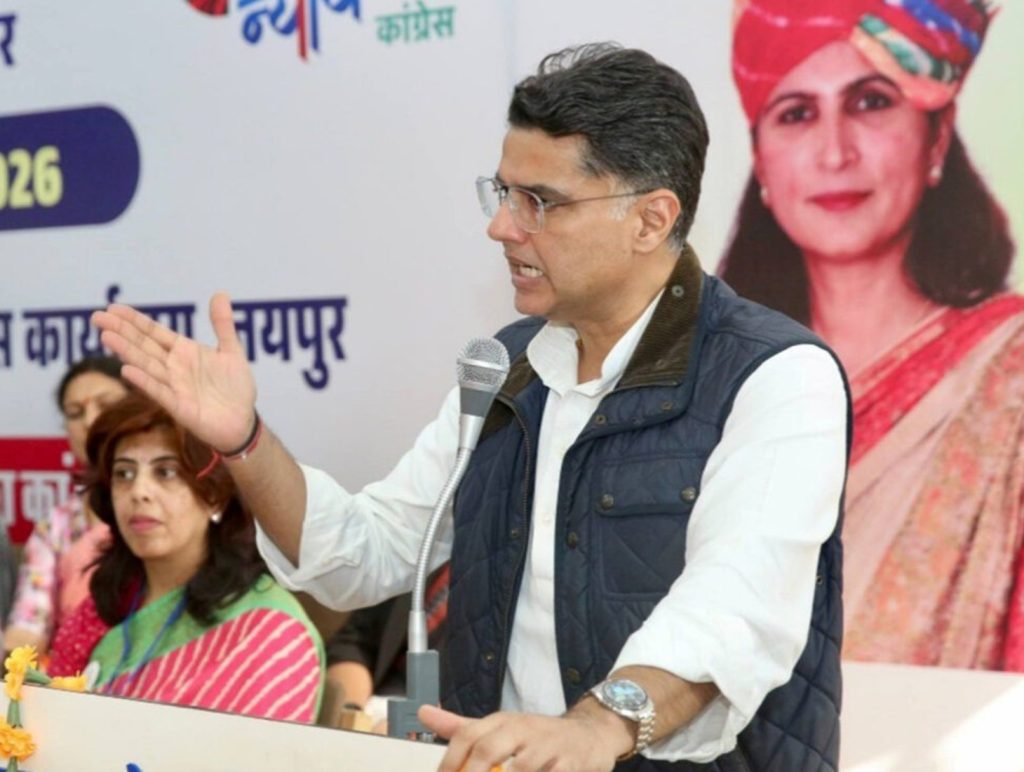
The Punjab government and police have a central role in local enforcement. Central agencies deal with wider trafficking networks. Border security is another part of the chain. Congress leaders, including Punjab in charge Sachin Pilot, have used these distinctions to criticise both the Centre and the state government over drugs and the movement of illegal weapons across the Pakistan border. The BJP and AAP have offered competing accounts of where responsibility lies.
For families dealing with addiction, those institutional boundaries offer little comfort.
A history every party wants to escape
The campaign is also reopening Punjab’s political history.
The AAP has repeatedly invoked the record of the previous BJP-SAD government, which governed Punjab from 2007 to 2017. The BJP has sought to distance its present position from decisions taken by the state government during that coalition.
The SAD faces an even more difficult political calculation. Drugs have become part of its own political history as well as a subject of its current campaign.
This creates a familiar electoral cycle. One party points to the period when another was in power, the second points further back and the argument becomes a contest over blame.
Punjab needs something more useful.
The real electoral test should not be which party can produce the longest list of arrests or the largest seizure figure. It should be whether any party can demonstrate that fewer people are becoming addicted, that treatment is reaching those who need it and that people are able to remain in recovery.
A serious assessment would examine the availability of drugs at street level, the prevalence of substance use, drug related deaths and overdoses, access to treatment, relapse and long term recovery. It would also examine convictions of major traffickers, action against drug financing networks, cross border trafficking, drone routes and other methods of smuggling, the availability of pharmaceutical and synthetic drugs, and the effectiveness of prevention programmes.
Those are harder numbers to produce than arrest totals. They are also more meaningful.
The 2027 test
Amit Shah’s Jalandhar speech has made one thing certain. Drugs will be central to Punjab’s political conversation before the 2027 Assembly election.
The BJP has put a date on its promise. AAP will point to its enforcement and treatment record. Congress and the SAD will attack both the state government and the Centre from different directions. Any future alliance between the SAD and BJP could further reshape the political argument.
But the drug crisis should not become another election season in which statistics replace outcomes.
Punjab has heard promises before. What matters now is whether the supply networks are actually being dismantled, whether addiction is declining and whether treatment is accessible and effective.





 Dr Kiran Deep