







 The North News
Chandigarh, August 4
The Punjab Assembly on Tuesday passed a resolution calling on the central government to suspend the mandatory rollout of E20 (20% ethanol-blended) petrol for vehicles that are not designed or certified to use the fuel, warning that millions of motorists could face financial and technical difficulties.
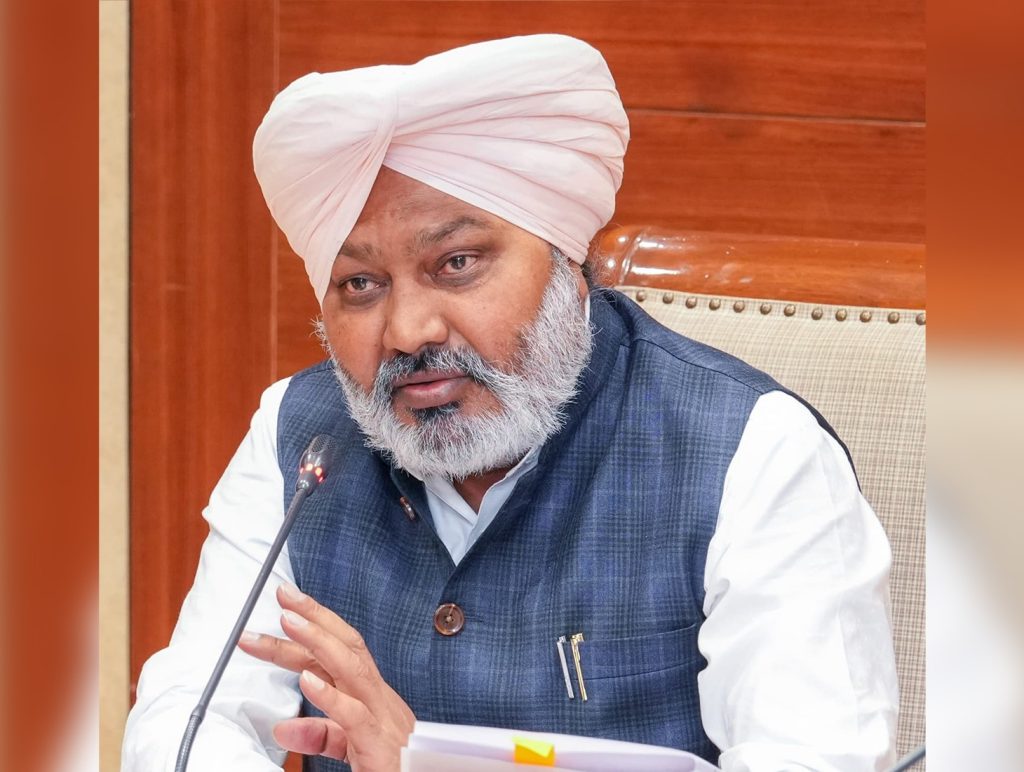
The resolution, moved by Punjab Finance Minister Harpal Singh Cheema, expressed concern over the nationwide implementation of the policy without what the state described as adequate safeguards for consumers, vehicle owners and state governments.
While supporting India’s broader goals of reducing dependence on imported crude oil, improving energy security and promoting cleaner fuels, the Assembly said such reforms should be introduced in a transparent and scientific manner, with proper consultation and attention to public concerns.
The resolution noted that millions of vehicles across India, including a significant number in Punjab, were manufactured before E20-compatible engines became standard. It warned that mandatory use of the fuel could lead to engine compatibility issues, faster wear of fuel system components, lower fuel efficiency, higher maintenance costs, warranty disputes and reduced resale value of vehicles.
While addressing the Assembly, Punjab Cabinet Minister Dr. Ravjot Singh said that state’s concerns were centred on the pace of implementation rather than the policy’s objectives. He noted that India’s National Biofuel Policy had originally envisioned increasing ethanol blending to 20% by 2030, but argued that the transition should be backed by adequate technical preparedness and consumer safeguards.
Dr. Singh said ethanol contains less energy than conventional petrol, meaning vehicles may consume more fuel to travel the same distance. He also warned that ethanol’s tendency to absorb moisture could affect engines, fuel tanks, fuel lines and rubber components, particularly in vehicles that remain unused for extended periods.
Citing government estimates, he told the House that nearly 300 million vehicles manufactured before April 2023 — including about 220 million two-wheelers and 80 million four-wheelers — were not designed to be E20-compatible. He said the Centre should clarify liability if consumers suffer losses because of fuel-related damage.
The minister also raised environmental concerns, arguing that producing ethanol from crops such as sugarcane, paddy and maize requires significant amounts of water. He said policymakers should carefully assess the long-term impact on water resources, agriculture and environmental sustainability before expanding the programme further.
Dr. Singh argued that while oil marketing companies, ethanol producers and the government could benefit from the policy, consumers might bear the burden through lower fuel efficiency, increased maintenance costs and higher operating expenses.
Chandigarh: Hockey legend Pargat Singh has been appointed the new president of the Punjab Pradesh…
FIR names four persons, others after video of alleged assault goes viral Patiala: A tipper…
Nayab Singh Saini says Congress faces ‘turmoil’ across country Patiala: Haryana Chief Minister Nayab Singh…
Patiala, Bathinda bus stands among facilities set for upgrades as corporation expands fleet and explores…