








 Disney Brar

Bollywood’s familiar refrain, “Mard ko dard nahi hota”, has perhaps outlived its cinematic moment to become a deeply ingrained social script. Somewhere between reel-life heroism and real-life expectations, the dialogue has come to define how masculinity is perceived — where a bruised ego must be swallowed, heartbreak hidden behind a smile and exhaustion mistaken for weakness. The problem is not the dialogue itself, but the generations that have grown up believing it. Because while cinema may celebrate the man who never flinches, real life is full of men who hurt, hesitate and struggle, but rarely find the words or the space to say so.
Raised to provide, conditioned to suppress their emotions and expected to shoulder endless responsibilities, men often fight silent battles that society rarely pauses to acknowledge.
The silence behind his strength
He may be struggling to pay his bills, worried about an uncertain career, dealing with a failing relationship or carrying the anxieties of an entire family. Yet, when asked how he is doing, his answer is often the same: “Everything is fine.”
For generations, men have grown up with a definition of strength that leaves little room for vulnerability. They are taught to be providers, protectors and problem-solvers, often before being allowed to acknowledge their own fears and insecurities. Their worth is frequently linked to what they earn, what they achieve and how much responsibility they can carry without showing signs of strain.
But behind this expectation of strength lies an often-overlooked reality: Men, too, experience loneliness, anxiety, disappointment and emotional exhaustion. They simply do not always have the freedom or confidence to express it.
The things men learn not to feel
A young man unable to find employment may see himself as a disappointment. A farmer struggling with financial uncertainty may feel compelled to conceal his worries. A father anxious about his children’s future may put his own needs aside, while a husband going through personal difficulties may choose silence over an honest conversation.
Different circumstances, but often a shared burden — the pressure to remain strong, regardless of what is happening within.
Even friendships do not always offer an escape from this expectation. Conversations may revolve around work, money, sports and everyday affairs, while questions about emotional well-being remain largely unasked. Men may spend hours in each other’s company without ever discussing what is troubling them.
It raises an uncomfortable question: If men are expected to be the emotional and financial support systems for those around them, who supports them when they struggle?
Perhaps the problem is not an inability to express emotions, but years of conditioning that have made vulnerability difficult to embrace.
The cost of always being strong
For many men, admitting that life is becoming difficult can feel like accepting failure. Losing a job may affect more than financial stability; it can shake a person’s confidence and sense of identity. Financial difficulties can bring feelings of helplessness, while family expectations may leave little space for personal setbacks.
Some respond by immersing themselves in work, others withdraw into silence, and many learn to dismiss their own struggles as something they must simply overcome. The distress may remain hidden behind routine, humour or an appearance of normalcy.
Although conversations around mental health have become more visible, the stigma attached to men’s emotional vulnerability remains a barrier. The fear of being judged, misunderstood or perceived as weak can discourage men from opening up or seeking professional support.
A quiet crisis called masculinity
The consequences of this silence deserve greater attention. Emotional struggles do not disappear simply because they are unspoken. Nor does constantly putting others first mean that a person has no need for care, reassurance or understanding.
It is time to move beyond the idea that strength means enduring everything without complaint. Providing for a family is important, but so is recognising that the person doing so has emotional needs of his own. Being responsible does not mean being invulnerable, and asking for help should never be mistaken for weakness.
Men should be allowed to have difficult days, express their fears, admit their disappointments and seek support without feeling that they have failed some unwritten test of masculinity.
After all, the men who hold families together need someone to stand beside them, too.
They are allowed to be tired. They are allowed to be vulnerable. They are allowed to ask for help. Because sometimes, the greatest expression of strength is finding the courage to say, “I am not okay.”
Happy International Men’s Day!
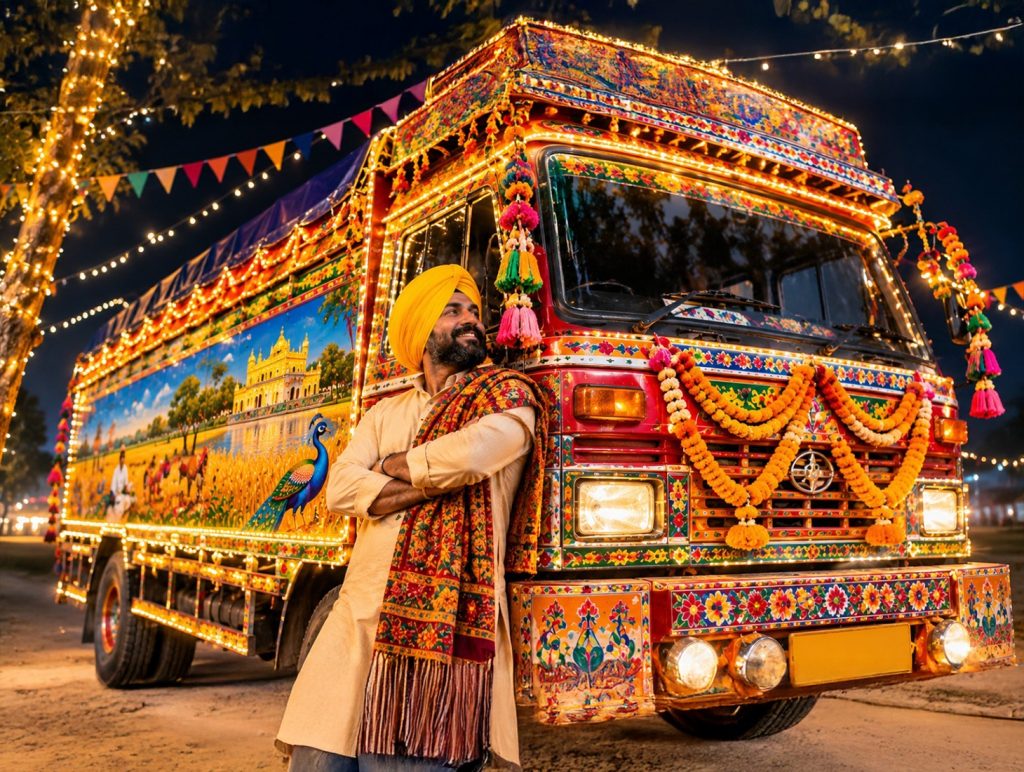
Horn OK Please. Buri Nazar Wale Tera Munh Kala. Maa Da Aashirwad. Mitraan Da…

There is something special about falling in love. It can turn ordinary moments into memories…
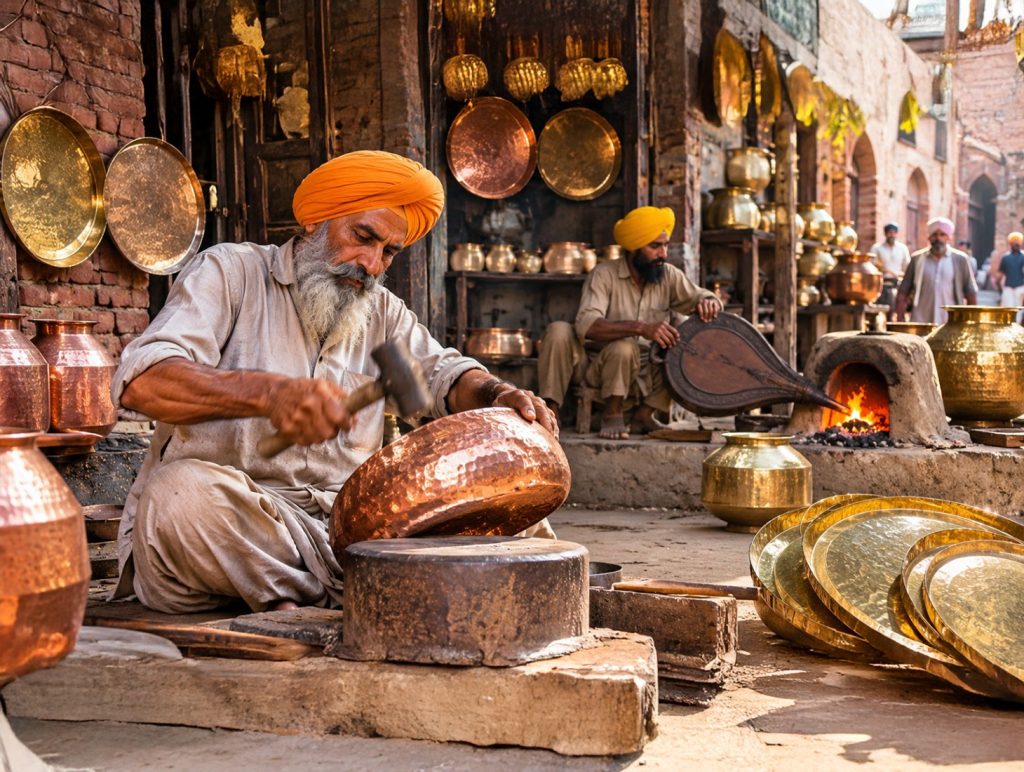
Amritsar: In the narrow lanes of Thathera Bazaar, the sound of a hammer striking metal…

With de-addiction admissions rising by 164 per cent and nearly 45 per cent of Punjab’s…