






 Disney Brar
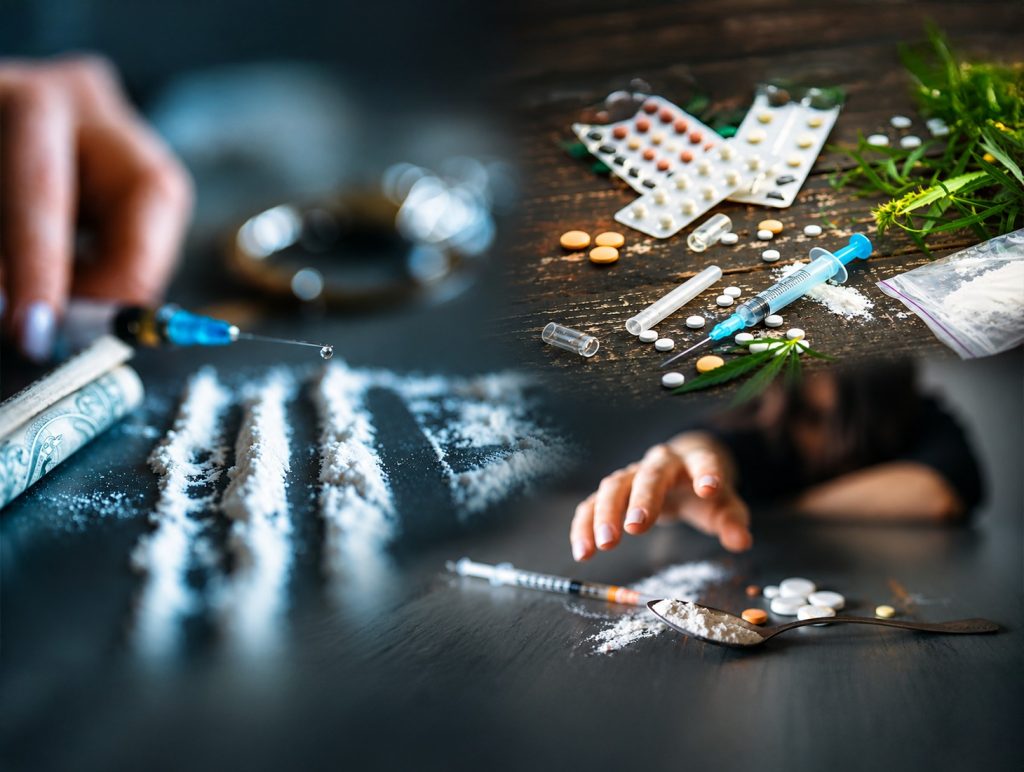
With de-addiction admissions rising by 164 per cent and nearly 45 per cent of Punjab’s prison inmates registered for opioid-assisted treatment, the state’s battle against drugs faces a bigger test: what happens after the arrest, after treatment and after the person returns home?
CHANDIGARH: With over 25,000 admissions at government de-addiction centres in 2025 and nearly 45 per cent of Punjab’s prison inmates registered with opioid-assisted treatment clinics, the state’s fight against drugs faces a difficult question: is the focus shifting from catching people to helping them recover?
An arrest makes the headlines. A drug seizure becomes an official achievement. A crackdown produces numbers that dominate government briefings. But behind these figures is a question that Punjab can no longer afford to overlook: what happens to the person battling addiction after the police action is over?
The scale of the challenge is reflected in the state’s own figures.
Government-run de-addiction centres in Punjab recorded 25,290 admissions in 2025, compared with 9,577 in 2024 — an increase of more than 164 per cent. By July 2026, more than 14,000 admissions had already been recorded, according to figures shared by Health Minister Dr Balbir Singh.
Admissions at government rehabilitation centres also increased from 2,644 in 2024 to 8,574 in 2025, a jump of more than 224 per cent. More than 5,800 admissions were recorded by July 2026.
The figures indicate a growing demand for institutional treatment. The government has described the increase as a sign of greater public confidence in its treatment infrastructure under the Yudh Nashean Virudh campaign, launched in March 2025.
But rising admissions also raise a question that deserves equal attention: how many people are actually recovering, and how many are returning to treatment?
An admission is not necessarily a recovery. Nor does completing a treatment programme automatically mean that a person has been able to rebuild life without drugs.
THE PRISON NUMBERS THAT DEMAND ATTENTION
Perhaps one of the most significant indicators of Punjab’s addiction crisis has emerged from its prisons. In an affidavit submitted before the Punjab and Haryana High Court in September 2026, the state’s Prisons Department disclosed that 15,768 out of 35,449 inmates lodged across Punjab’s jails were registered with Outpatient Opioid Assisted Treatment (OOAT) clinics.
That amounts to approximately 44.5 per cent of the prison population.
The figures were placed before the court after it sought details about drug dependence and treatment facilities inside prisons. The court also sought clarity on the standard operating procedures governing treatment, rehabilitation and the process of helping inmates move away from drug dependence.
The age profile is equally significant. According to the affidavit, 5,656 inmates receiving treatment were between 26 and 35 years of age, while another 4,544 belonged to the 36-45 age group. A further 2,951 were between 18 and 25.
The numbers raise serious questions about the relationship between addiction, incarceration and rehabilitation.
Are people with substance dependence receiving adequate medical attention inside prisons? Is treatment being continued after their release? Are they connected to healthcare facilities in their home districts, or are families left to arrange everything once they return?
The prison system cannot become another temporary stop in a cycle of addiction and treatment.
A LAW THAT OFFERS A ROUTE TO TREATMENT
India’s Narcotic Drugs and Psychotropic Substances Act contains a provision that deserves greater public attention. Section 64A provides conditional immunity from prosecution to eligible people with addiction who voluntarily seek and undergo de-addiction treatment through a government-maintained or government-recognised institution.
The provision applies to people charged with consumption-related offences under Section 27 or offences involving small quantities of narcotic drugs or psychotropic substances. The immunity can be withdrawn if the person does not complete the prescribed treatment.
This provision recognises that addiction also requires a medical response.
However, the existence of a legal safeguard does not automatically mean that people know about it or can access it easily.
How many eligible people are informed about this provision? How many are actually referred to recognised treatment facilities? Are police personnel adequately equipped to distinguish people requiring medical intervention from those involved in trafficking?
These questions deserve answers from both the police and the Health Department.
THE STATE’S EXPANDING TREATMENT NETWORK
Punjab has also expanded its treatment infrastructure. In August 2026, the Health Minister said the state had 213 de-addiction centres, 90 rehabilitation centres and 547 OOAT clinics. The government also reported that OOAT facilities were operating in 19 jails, with dedicated de-addiction and wellness clinics established in 10 central jails.
New registrations at OOAT clinics increased from 13,033 in 2024 to 17,702 in 2025. More than 12,500 new registrations were recorded by August 2026.
The government has also said that more than 11,000 individuals had received immunity under Section 64A of the Narcotic Drugs and Psychotropic Substances Act as of August 27, 2026.
The provision allows eligible people charged with consumption-related offences or offences involving small quantities of narcotic substances to seek medical treatment for addiction and receive conditional immunity from prosecution, subject to completing the treatment and fulfilling the legal requirements.
This is an important recognition that addiction also requires a healthcare response.
However, the real test lies in how effectively people are informed about this provision, how accessible treatment is and whether those entering the system receive sustained support.
WHAT HAPPENS WHEN THE PATIENT GOES HOME?
For families dealing with addiction, the biggest challenge often begins after a patient leaves a treatment facility. Treatment may help a person manage withdrawal and begin recovery, but returning to everyday life can bring another set of difficulties. Social stigma, unemployment, financial hardship, strained family relationships and easy access to drugs can make rehabilitation difficult. Families frequently find themselves navigating a system they do not fully understand, searching for doctors, counselling, medication and institutional support.
Does Punjab have an effective mechanism to follow up with patients after discharge? Are families trained to support recovering individuals? Can those who have undergone treatment access vocational training and employment? These are not peripheral questions. They are central to whether rehabilitation works.
The state must also make public data available on treatment completion, repeat admissions, relapse, follow-up consultations and long-term recovery. Without these indicators, the success of a rehabilitation programme cannot be adequately assessed.
THE BIGGER QUESTION: WHO IS BEING TARGETED?
Punjab’s anti-drug strategy must also distinguish between those battling substance dependence and those profiting from the illegal drug trade.
The two cannot be treated as the same problem.
People involved in organised trafficking, financing and distribution must face investigation and prosecution. At the same time, people struggling with addiction need timely medical intervention, dignity and an opportunity to return to society.
The challenge is to ensure that enforcement does not overshadow treatment and that rehabilitation does not become a one-time administrative exercise.
Punjab’s own figures reveal the enormous scale of the task. They also show that the state has expanded its treatment infrastructure and brought more people into formal care.
But infrastructure and admissions are only the beginning.
RECOVERY MUST BECOME THE REAL MEASURE OF SUCCESS
The war against drugs cannot be judged only by the number of arrests, raids, seizures or patients admitted to treatment centres.
It must also be measured by whether people are able to remain in recovery, whether families receive support, whether released inmates can access continued treatment and whether recovering individuals find a place in society without being permanently defined by their past.
The Punjab Health Department already operates an OOAT programme and provides information about its treatment network. The next step must be greater transparency about outcomes.
For a state that has made the fight against drugs a major public priority, the question is no longer simply how many people have been caught or admitted. It is how many have been helped to return to a stable, dignified and drug-free life. Because an arrest may end one chapter of the drug crisis. Recovery is the much harder story that Punjab still needs to tell.
The Punjab government has announced a one-time settlement (OTS) scheme offering a 100 percent waiver…
From the smoky furnaces of Hoshiarpur’s villages to the old gur mandis of Ludhiana and…

From mustard fields and organic farms to tractor rides, traditional kitchens and village courtyards, Punjab…
With Jalandhar and Mandi Gobindgarh recording an AQI of 336, Punjab’s pollution levels rise across…