




 Sachin Sharma
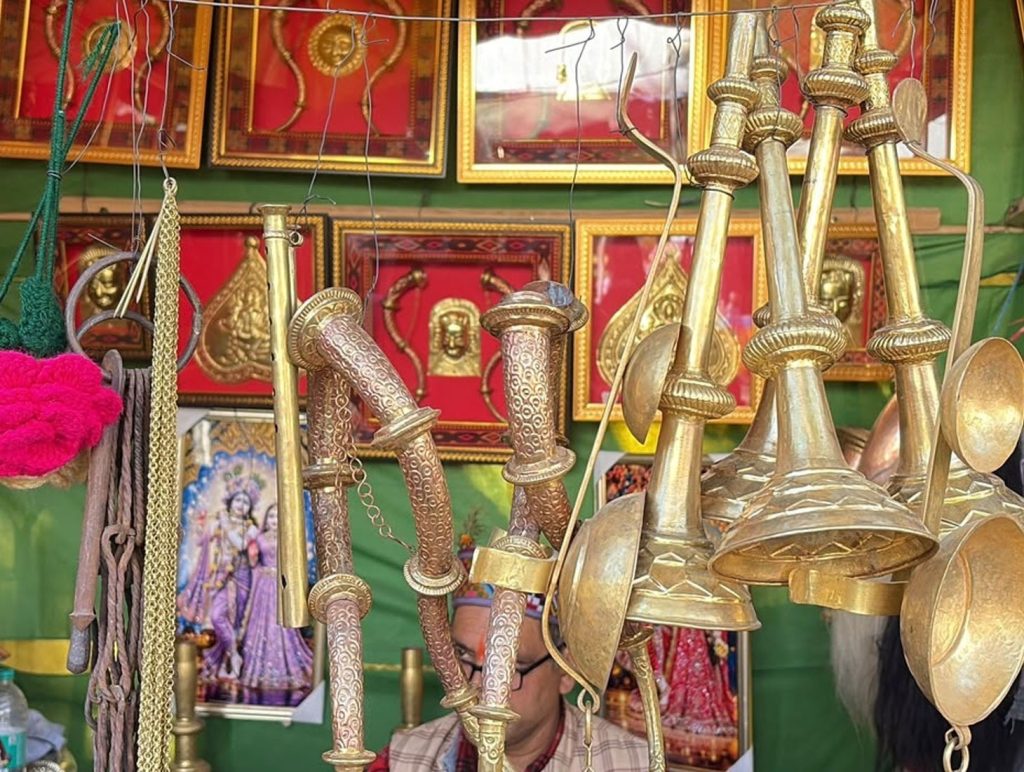
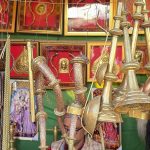
Himachal Pradesh’s traditional musical instrument Narsingha has received a Geographical Indication (GI) tag from the Centre, giving the culturally significant instrument a distinct identity. Traditionally played during religious ceremonies, the instrument is now also attracting buyers as a decorative item for homes.
An integral part of Himachal Pradesh’s Dev Culture, Narsingha is played alongside traditional instruments such as dhol, nagara and shehnai during religious ceremonies. While it is commonly known as Narsingha in the hill regions, the instrument is referred to as Ran Singha in the plains.
According to literary scholar Dr Surat Thakur, the instrument’s use became prominent during the Dwapar Yuga, particularly during the Mahabharata war. He said it was played before the commencement of battles and again at sunset to signal the end of fighting.
Thakur explained that its morning sound informed soldiers that the battle had begun, while its evening sound indicated the time for a ceasefire. He added that Ran Singha continues to be seen in royal palaces in the plains and is played during several royal ceremonies.
Narsingha is primarily crafted using copper, brass and silver. Artisans prepare eight separate components before joining them together to form the instrument. The entire process is undertaken manually and takes around three to four days to complete one piece.
The price depends on the metal used, with traditional Narsinghas costing between Rs 22,000 and Rs 60,000. Artisans said producing the instrument requires considerable effort and precision, particularly to ensure its sound quality.
During the International Dussehra Festival, artisans said Narsingha remains widely used during religious ceremonies in Kullu, Shimla, Mandi and Kinnaur.
However, smaller decorative versions are increasingly being purchased by locals and tourists. These miniature instruments are priced between Rs 4,000 and Rs 15,000 and are displayed in glass frames featuring traditional Kullu Patti designs.
Artisan Duni Chand said the instrument requires considerable craftsmanship and expressed hope that the GI tag would benefit artisans by increasing its recognition nationally and internationally.
Kullu artisan Kurm Dev said Narsingha has remained part of the region’s religious traditions since ancient times. According to him, people believe its sound prevents negative energies from entering areas reached by its resonance, which is why it continues to be played during temple worship and religious ceremonies.
Veda Ram, an artisan associated with Sheesha Mati, said Mandi’s Saraj region is a major centre for Narsingha production. Artisans from Saraj have also settled in Kullu, while smaller-scale production takes place in Chamba and Shimla.
Artisans said larger instruments are primarily purchased for religious ceremonies, while miniature versions are increasingly finding buyers as decorative pieces.
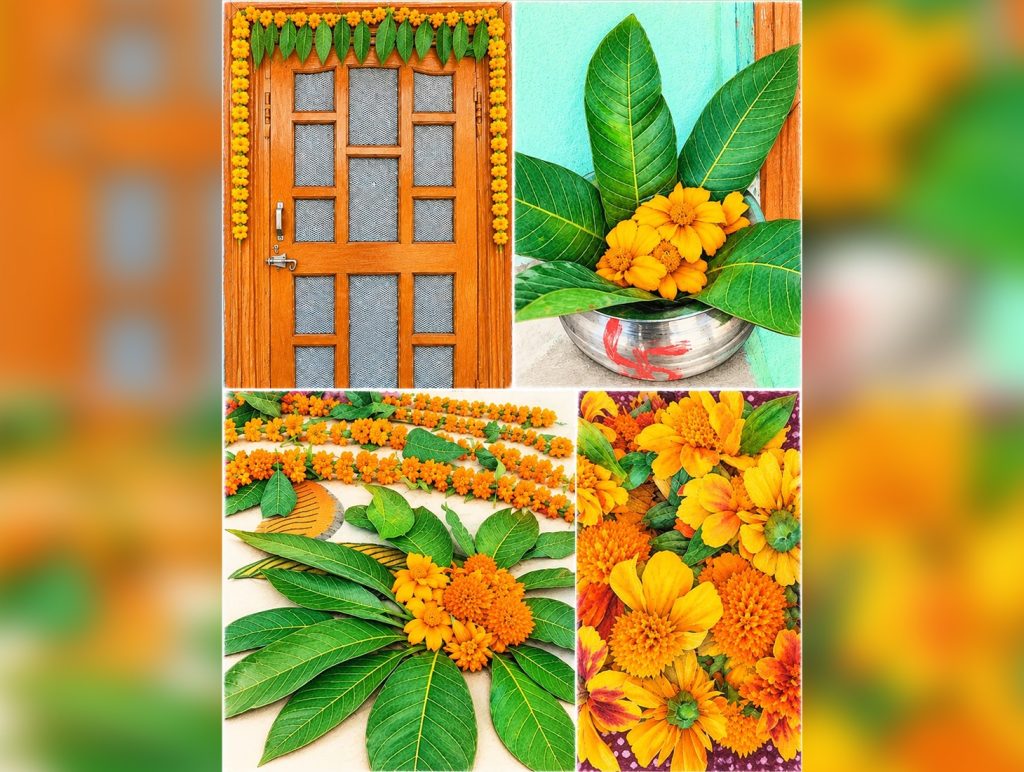
Mango leaves and marigold flowers continue to hold a special place in Himachal Pradesh, where…
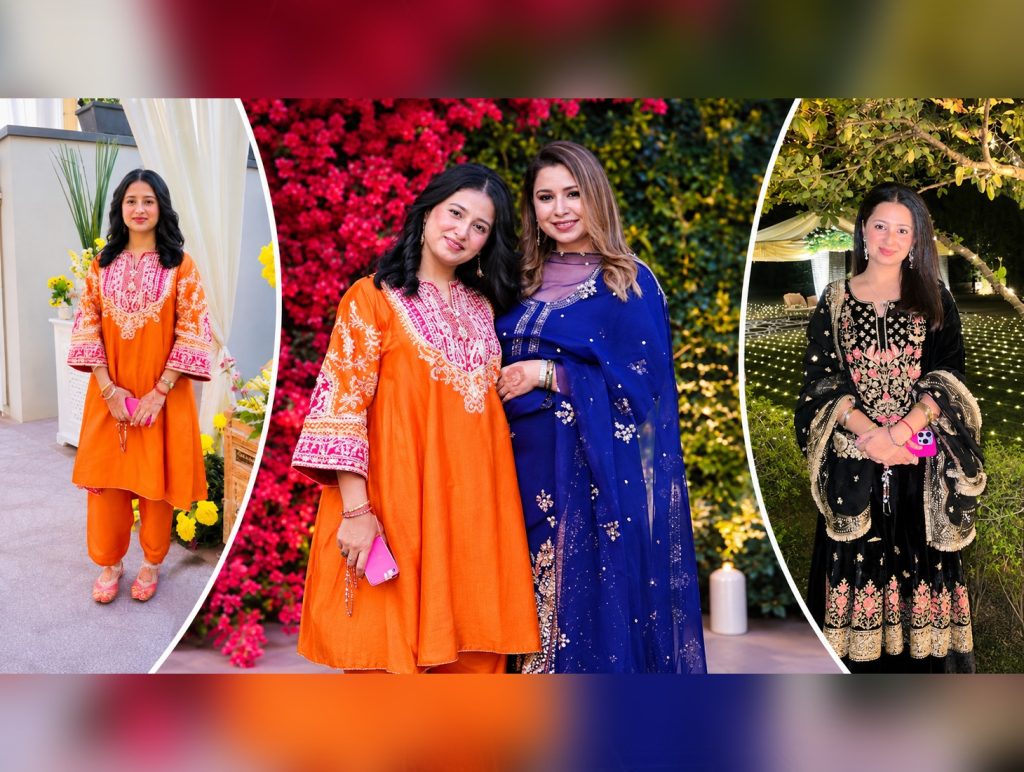
From timeless sarees and statement jewellery to contemporary silhouettes and shimmering details, this Diwali is…
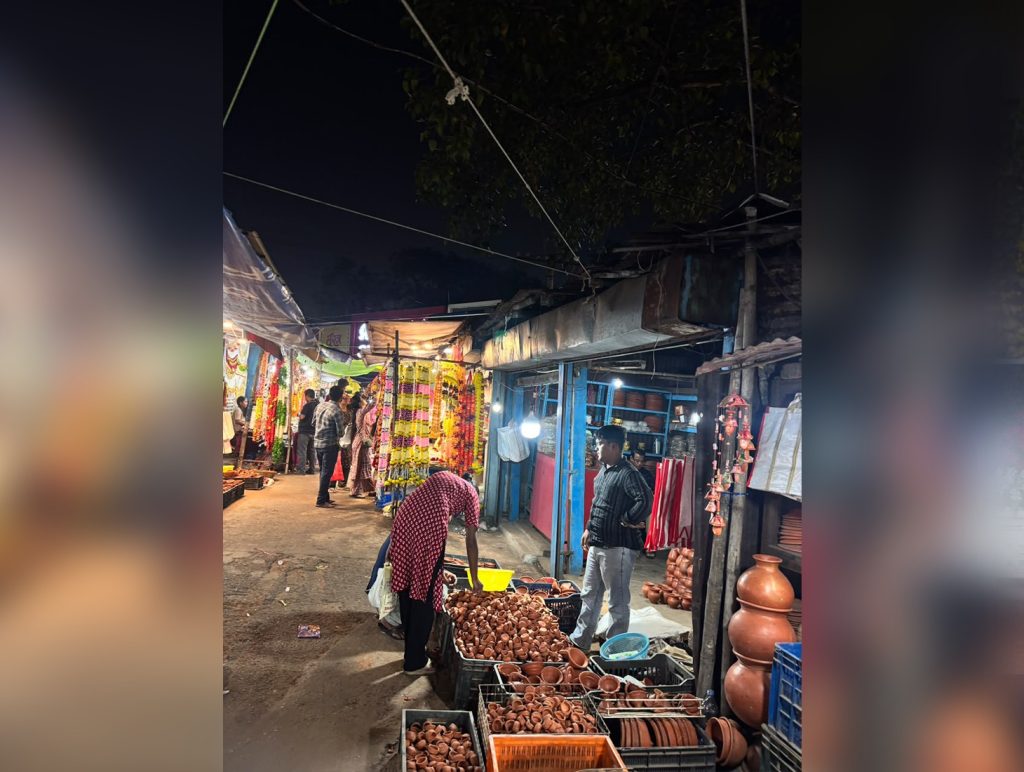
In the bustling festive markets of Jamshedpur, Vinod Kumar sells earthen diyas not just to…
The entire city is glowing with the festive spirit of Diwali. Markets are illuminated with…