








 Disney Brar

From Shakespeare’s feverish lovers to the unconventional romances of Hindi cinema, desire has always defied time. The heart does not consult a calendar before it aches, nor seek society’s permission before falling in love. Perhaps the most beautiful human instinct is the refusal to stop wanting.
Love has never been obedient. It does not check birth certificates, respect social conventions or wait for the supposedly appropriate season to bloom. It arrives unannounced, sometimes like a whisper, sometimes like a storm, unsettling the carefully arranged furniture of our lives.
It can make a twenty-year-old restless with anticipation and a sixty-year-old blush at a familiar name flashing on a phone screen. Years may pass and bodies may change, but the desire for affection, intimacy and companionship does not automatically retire with age.
And why should it?
There is something gloriously defiant about wanting to be kissed, held, admired and pursued. Wanting someone to remember how you take your coffee, notice the little things or look at you across a crowded room with an unmistakable spark. The thrill of a first date, the warmth of an embrace and the anticipation of a message are not privileges reserved for the young. They are reminders that we remain capable of love and connection.
The Eternal Art of Desire
Literature has long explored this restless geography of the heart. Shakespeare immortalised the urgency of young love in Romeo and Juliet, while Antony and Cleopatra explored a more mature passion entangled in power, pride and desire. Emily Brontë’s Wuthering Heights portrayed a love too consuming to be contained by separation or death. Jane Austen’s Persuasion, meanwhile, celebrates love revisited, as Anne Elliot and Captain Wentworth discover that time cannot always extinguish an old connection.
Hindi cinema, too, has challenged conventional ideas of romance. Yash Chopra’s Lamhe explores longing across generations, while Cheeni Kum questions assumptions about age and attraction through the unexpected romance between Amitabh Bachchan and Tabu. Silsila captures the ache of unfinished love, and The Lunchbox shows how intimacy can blossom between two lonely strangers. Rocky Aur Rani Kii Prem Kahaani also gives the older generation space for romantic rediscovery.
These stories challenge an absurd social expectation: that romance comes with an expiry date. Society celebrates young lovers but often becomes uncomfortable when people in their fifties, sixties or seventies express attraction. A young woman speaking about wanting to be desired may be called romantic; an older woman expressing the same longing can invite judgement.
Who decided that a woman must outgrow the desire to be kissed? That a man must retire from making someone’s heart race? That wrinkles should cancel out butterflies?
There is nothing undignified about wanting affection, nothing shameful about craving intimacy and nothing frivolous about wanting to feel beautiful in somebody else’s eyes. Physical closeness and emotional connection are human needs, not youthful privileges.
Love, Longing and the Freedom to Desire
Perhaps desire becomes even more compelling when it finds us later in life. In youth, we may fall in love with possibility; with experience, we may fall in love with understanding. We have known disappointment, survived heartbreak and learnt that not every promise lasts. Yet choosing to open our hearts again takes courage.
And wanting is not always about possession or grand declarations. Sometimes it is about being someone’s favourite thought, dressing up for a date, laughing a little louder or feeling an unexpected warmth when a hand brushes against yours. It is the freedom to flirt, feel attractive, pursue and be pursued. It is about being a lover, not merely a parent, professional, spouse or responsible adult.
We spend much of life learning how to behave and meet expectations. Perhaps love is where we should allow ourselves to be gloriously unreasonable: to desire without embarrassment and seek companionship without explaining our age.
Because desire does not become indecent with age. Society’s discomfort with it does.
Youth may possess the impatience of first love, but age has its own sensuality: the confidence of experience, the tenderness of memory and the courage to know what one wants. There is poetry in a silver-haired woman dressing up for a date, in someone discovering romance after years of solitude, and in two people finding each other when neither expected to begin again.
No Age for Amour: The Timeless Pursuit of Love
Let the years come. Let hair turn silver and faces acquire stories. But let nobody declare that the season for desire is over. We are not made of calendars and age brackets. We are made of longing, memory, dreams and an extraordinary capacity to fall in love.
If the heart still races, let it race. If love comes knocking again, let us not pretend we are too old to answer.
There is no shame in wanting to be wanted, no embarrassment in craving a little madness and no age limit on falling in love.
The heart was never meant to grow out of desire. It was meant to keep discovering new reasons to beat faster.
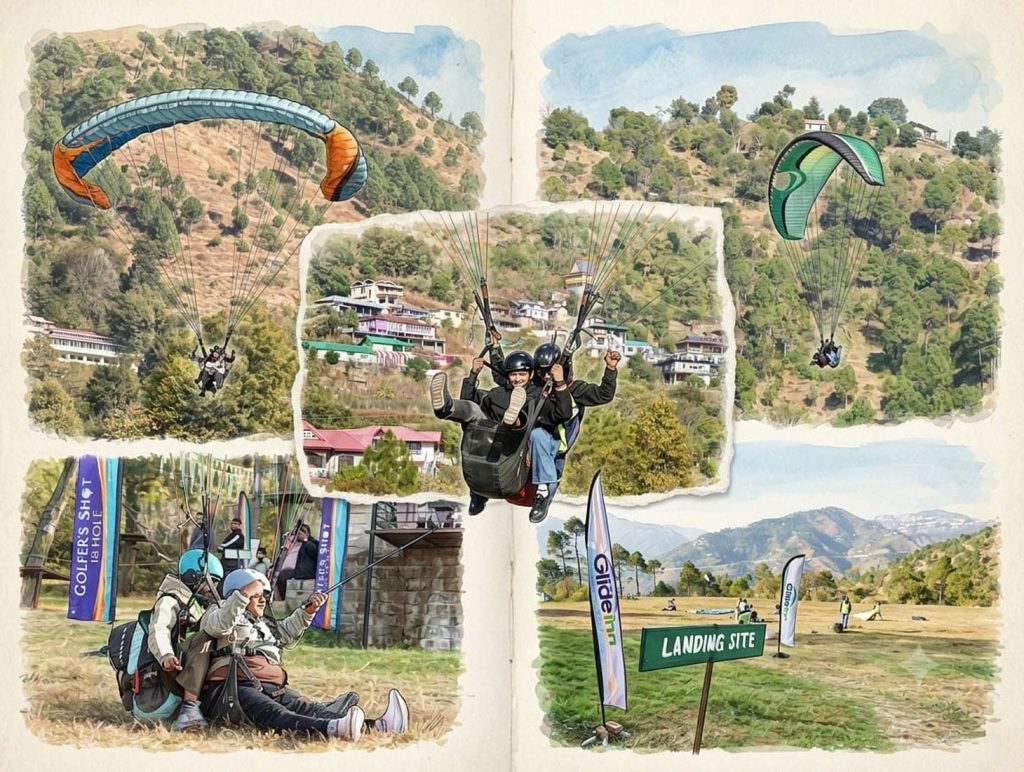
With adventure tourism gaining attention in Himachal Pradesh, the fourth edition of the Shimla Flying…

Every dream begins with a thought, every journey with an intention, and every transformation with…
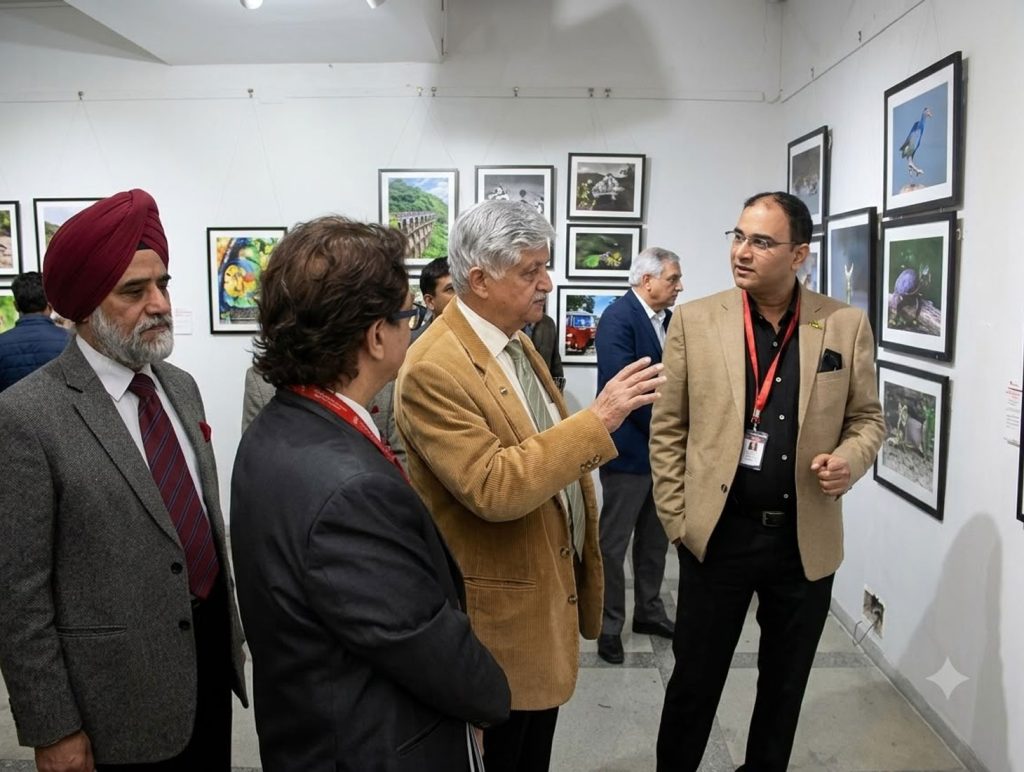
Celebrating the art of capturing moments through a creative lens, Photographic Society of Chandigarh(PSC) organised…

From the mystery of birth to the cycle of rebirth, Indian philosophy sees life as…