








 Madhav Aggarwal

Planning to drive home a new car before 2026 ends? Your timing could make a difference to the final bill. With major automakers announcing fresh price revisions, buyers may have to balance dealership discounts against the possibility of paying more for the same vehicle in the coming weeks.
According to company announcements, Tata Motors Passenger Vehicles and Hyundai Motor India will revise prices from December 1, 2026, while Audi India will follow with an increase from January 1, 2027. The companies have cited rising input costs for the changes.
Before you book, check the price clock
Tata Motors Passenger Vehicles has announced an average price increase of 0.5 per cent across its portfolio, covering internal combustion engine models and electric vehicles. The company said the revision would take effect from December 1, with the actual increase varying across models and variants.
Hyundai Motor India, in an intimation to the BSE and NSE on November 24, said it would increase prices of select models and variants by up to Rs 8,000 from December 1, citing a steep rise in input costs.
In a statement, Audi India said prices would rise by up to 2 per cent from January 1, 2027. Brand Director Balbir Singh Dhillon said the revision was necessary to offset rising input costs and ensure long-term business sustainability.
What could this mean for your budget? A 0.5 per cent increase on a car priced at Rs 10 lakh works out to Rs 5,000, while a 2 per cent increase on a Rs 50-lakh vehicle amounts to Rs 1 lakh. These are illustrative calculations, not confirmed model-wise price changes.
GST relief changed the small-car equation
There is some good news for buyers of eligible smaller cars. According to the Ministry of Finance’s GST FAQs following the 56th GST Council meeting, the tax rate on qualifying small petrol, LPG and CNG cars was reduced from 28 to 18 per cent, effective September 22, 2025. Eligibility depends on engine capacity and vehicle length.
The revised structure also brought changes to larger vehicles, with mid-size and large cars moving to a 40 per cent GST rate, replacing the earlier GST-plus-compensation-cess structure. However, the final showroom price depends on how manufacturers pass on the tax benefit.

So, should you buy now or wait?
December is traditionally a busy period for dealerships, with discounts, exchange bonuses and inventory-clearance offers attracting prospective buyers. But a discount does not automatically make a deal worthwhile.
If you are considering a Tata or Hyundai, ask the dealer for the final on-road price and confirm whether the existing price will apply to your invoice. Audi buyers have until December 31 before its announced revision takes effect.
Also compare insurance, financing costs, exchange benefits and delivery timelines. A lower ex-showroom price may not always translate into the best overall deal.
The smartest purchase may not be the car with the biggest discount, but the one that offers the right combination of price, safety, features and ownership costs.
As 2026 heads towards the finish line, one thing is clear: Before taking the wheel, take a closer look at the price tag.

An hour on the train instead of nearly three hours on the highway could change…

Despite a more than threefold increase in corporate social responsibility (CSR) spending in the Northeast…
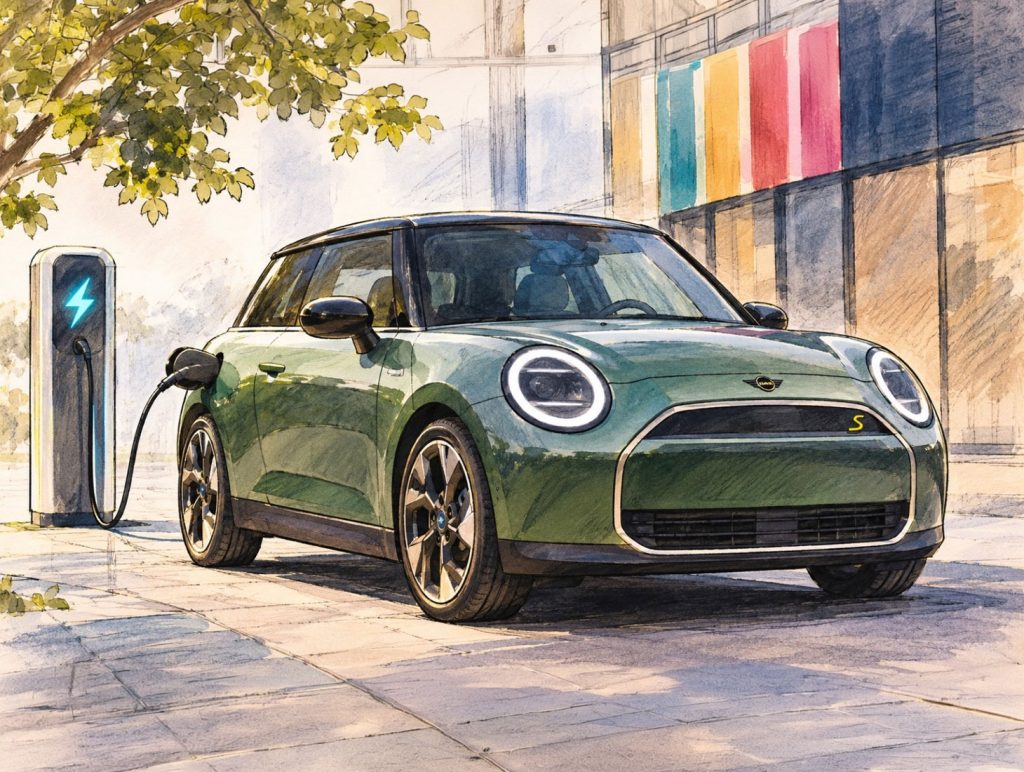
MINI India is set to bring the new-generation all-electric MINI Cooper SE to the country…

Bharat Sanchar Nigam Limited (BSNL) has introduced three voice and SMS-only prepaid recharge plans priced…