







 Disney Brar
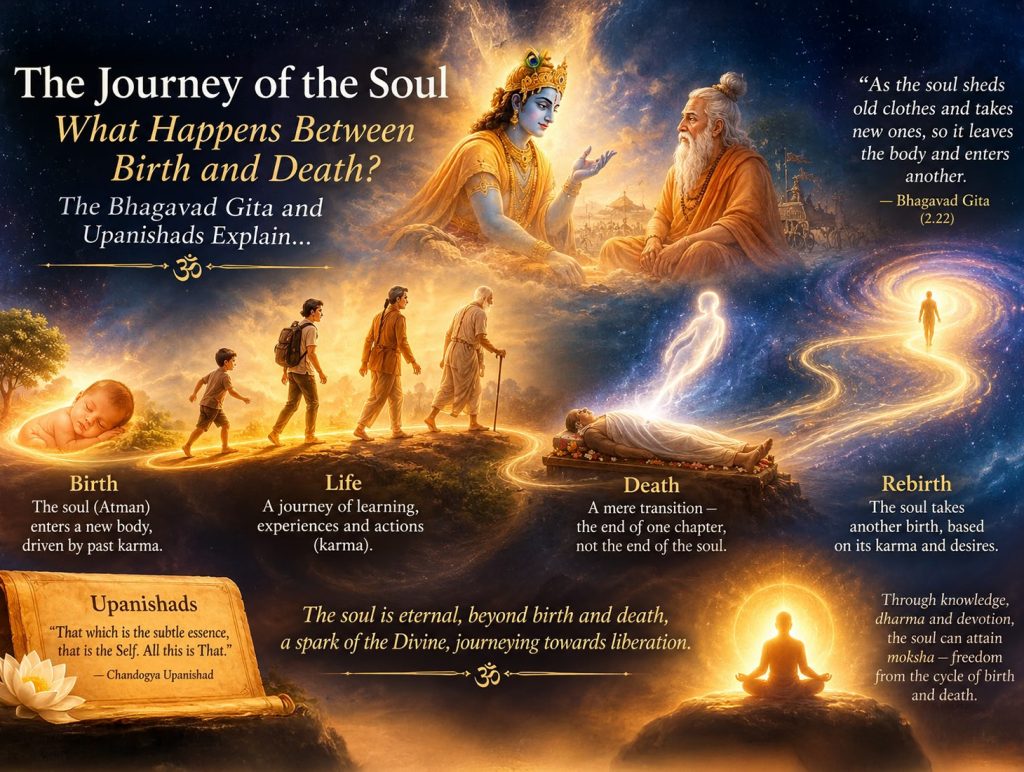
From the mystery of birth to the cycle of rebirth, Indian philosophy sees life as a journey of the soul, shaped by karma, consciousness and the quest for liberation.
What happens when life comes to an end? Is death the final destination, or is it simply another passage in a much longer journey? For centuries, Indian spiritual traditions have contemplated these questions, offering a perspective in which the soul is not destroyed with the body but continues its journey beyond physical existence.
In Hindu philosophy, the soul, or Atman, is understood as eternal. The Bhagavad Gita offers one of the most profound explanations of this belief. In Chapter 2, Lord Krishna tells Arjuna that the soul is neither born nor does it die. It is beyond destruction, unaffected by the passing of the physical body.
One of the most beautiful analogies in the Gita compares death to changing clothes. Just as a person discards worn-out garments and puts on new ones, the soul leaves an old body and takes on another. This idea forms the foundation of the belief in reincarnation, or Punarjanma.
But what determines the soul’s next destination?
Indian philosophical traditions place great importance on Karma — the actions, intentions and choices made during one’s lifetime. The law of karma suggests that actions have consequences, shaping future experiences and the circumstances of subsequent births. It is not simply about reward and punishment, but about the moral and spiritual continuity of existence.
The Upanishads also explore the relationship between the soul, consciousness and ultimate reality. They encourage human beings to look beyond the temporary identity of the body and mind to discover their deeper spiritual nature.
Different Indian traditions offer distinct interpretations of what follows death. Hindu schools discuss the continuation of the self through rebirth, while Buddhist philosophy speaks of rebirth through the continuity of causes and conditions rather than an eternal, unchanging soul. Jain philosophy, meanwhile, understands the soul as an enduring individual reality that moves through cycles of birth and death according to karma.
At the heart of many Indian spiritual traditions lies the idea of Moksha or liberation — freedom from the cycle of birth and death. It is considered the highest spiritual goal, a state in which the soul is released from the bondage of karma and worldly attachment.
Perhaps the deeper message of these teachings is not merely to wonder about what happens after death, but to reflect on how we live before it. If every action carries significance, then kindness, truthfulness, compassion and self-awareness become more than virtues; they become part of our spiritual journey.
Ultimately, the mystery of what lies beyond death may remain unanswered for human experience. Yet Indian wisdom offers a thought-provoking reminder: life is not just about the years we spend on earth, but also about the consciousness, values and wisdom we cultivate along the way.
The Photographic Society of Chandigarh (PSC) organised its two-day members group exhibition, FOTO – 2026,…
From staying grounded like the earth to flowing like water and finding clarity in space,…
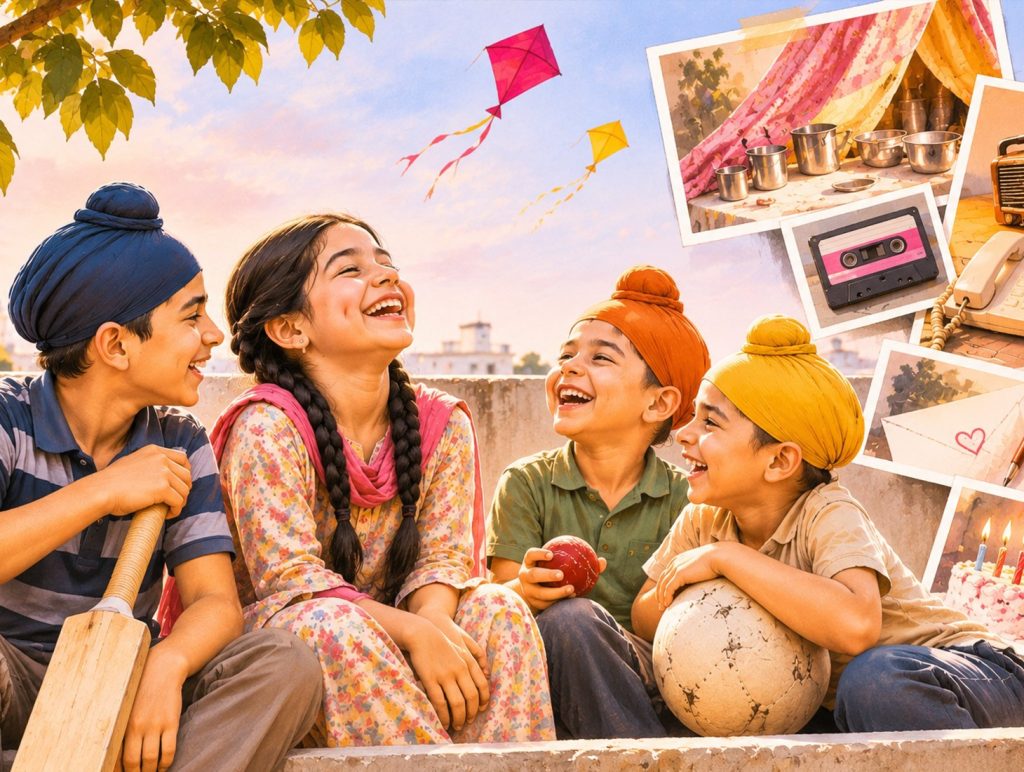
“Bas, five minutes more!” If there is one sentence that defined our childhood, it was…
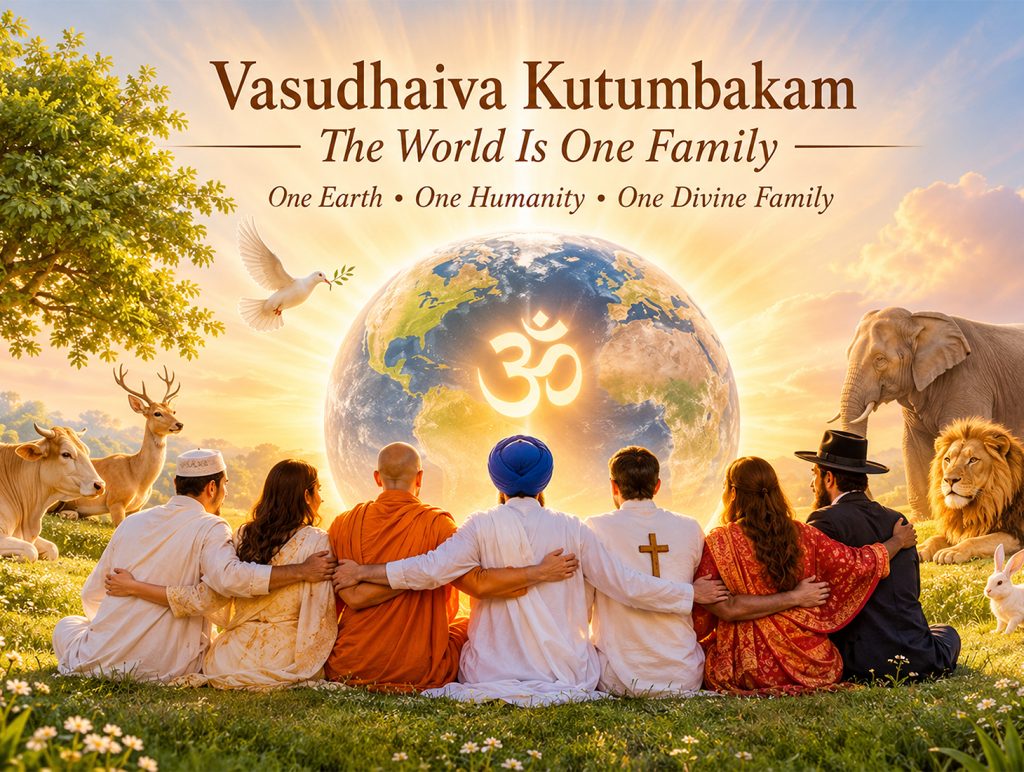
Beyond the boundaries of identity and belief lies a spiritual truth — we are all…