






 Jasriman Kaur
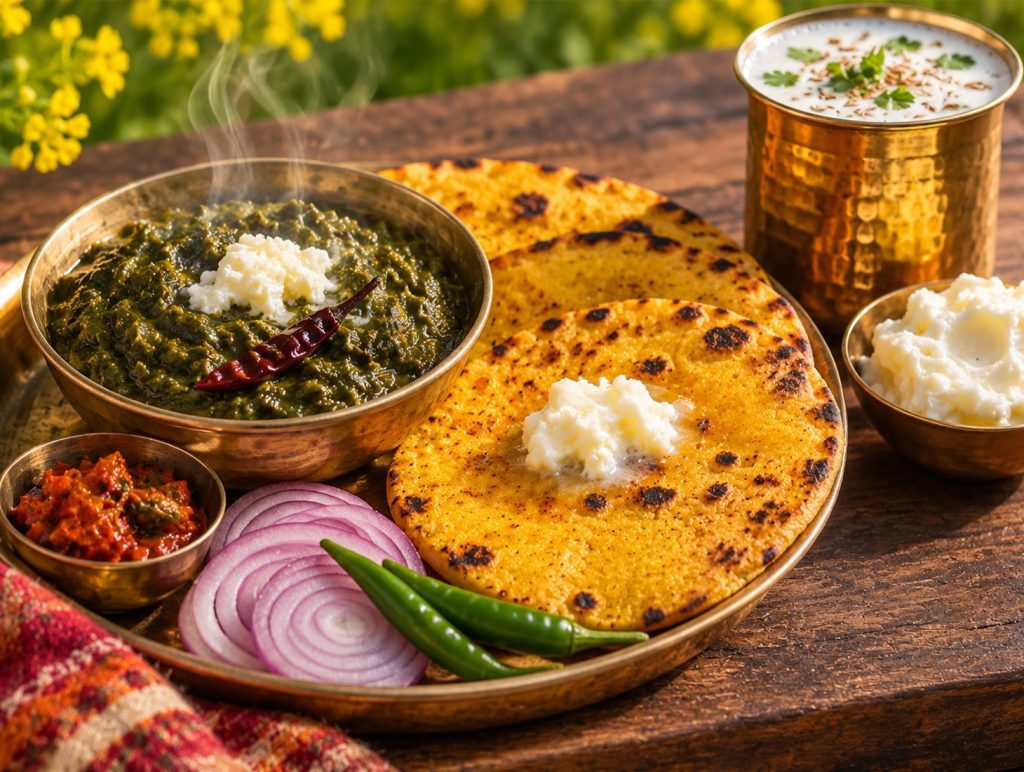

“Saag te makki di roti… naal thoda jeha makhan!” If you grew up in Punjab, this hardly needs an introduction. The moment winter sets in, kitchens begin to smell of freshly cooked “sarson da saag, makki di roti” and all things comforting. It is the kind of meal that makes you forget the calorie count, until someone reminds you to go easy on the “makhan”!
Bollywood, too, has celebrated this love affair with Punjabi food. From the lavish Punjabi family feasts in “Kabhi Khushi Kabhie Gham” to the roadside food stops and dhaba-style charm of “Jab We Met”, food has often been more than just a meal on screen. And in real life, few things bring a Punjabi family together faster than someone announcing, “Ajj saag baneya hai!”
For many households, this is not just lunch, it is a winter ritual. The “saag” simmers for hours, the “makki di roti” comes straight off the “tawa” (griddle) and someone is always ready with a generous helping of homemade white butter. Add a piece of “gur” (jaggery), some “mooli” (radish) or “pyaaz” (onion) and perhaps a glass of “chaach” (Buttermilk) and you have a feast. Even if you are not Punjabi, it is difficult not to want a seat at this table!
A Punjabi mother’s recipe for winter
The love for “saag” and “makki di roti” runs deep in Punjabi households, often passing from one generation to the next. Gurpreet Kaur, a mother in her 60s from Ludhiana, says, “Bachche chahe pizza burger mangde rehan, par sardiyan vich saag te makki di roti di gall hi hor hai. Makhan bina taan roti adhoori lagdi hai. Bachche kehnde ne thoda pao, te saadi generation kehndi hai hor pa do!” (While the younger generation prefers less butter, the older lot still believes in that extra dollop of makhan.) After all, some food traditions are hard to change!
But is this winter favourite as healthy as it is delicious?
The good news begins with the greens. Mustard leaves are rich in fibre and provide vitamins A, C and K, along with minerals and beneficial plant compounds. Add “bathua”, spinach or “methi” to the mix, and you get an even wider range of nutrients. Fibre also helps support healthy cholesterol levels, making seasonal greens a valuable part of a balanced diet.
Then comes “makki di roti”. Made from maize flour, it provides fibre, particularly when whole-grain flour is used. So, no, you do not have to give up this winter staple. The trick is to enjoy sensible portions and balance your plate.
Now, the real “sawaal”: How much “makhan”?
That generous white dollop melting over a hot “roti” may be the highlight, but butter and ghee are high in saturated fat. Too much can raise LDL or bad cholesterol, increasing the risk of heart disease. The American Heart Association recommends limiting saturated fat and choosing healthier unsaturated fats from sources such as nuts, seeds and certain plant oils.
And the accompaniments? “Gur” may be traditional, but it is still a source of sugar. “Achaar” and other salty sides can increase sodium intake, which matters particularly for people with high blood pressure.
“There is nothing wrong with enjoying “sarson da saag” and “makki di roti”. In fact, the greens and maize flour offer valuable nutrients. The problem begins when we go overboard with butter, ghee and portions. My advice is simple: Enjoy your traditional food, but remember that a little “makhan” goes a long way. You don’t have to sacrifice taste to eat healthy,” says a Chandigarh-based nutritionist preferring anonymity.
So, how do you keep the “swaad” without overdoing it?
“Saag”: Load up on seasonal greens, but go easy on the ghee and butter.
“Makki di roti”: Enjoy it in moderation and balance it with vegetables and protein-rich foods.
“Safed makhan”: Keep the dollop modest. Flavour does not have to mean excess.
“Achaar and gur”: Enjoy them as accompaniments, not unlimited extras.
After lunch: Make time for a walk instead of settling into a long winter afternoon on the sofa.
The idea is not to turn a Punjabi winter lunch into a diet chart or make anyone feel guilty about enjoying their food. It is about making mindful choices and remembering that overall eating habits matter more than one meal.
After all, winter without “sarson da saag” and “makki di roti” would hardly feel like Punjab. Keep the “saag”, enjoy the “roti”, savour the “makhan”, just know when to say, “bas, ho gaya!” Your taste buds will thank you and so might your heart.
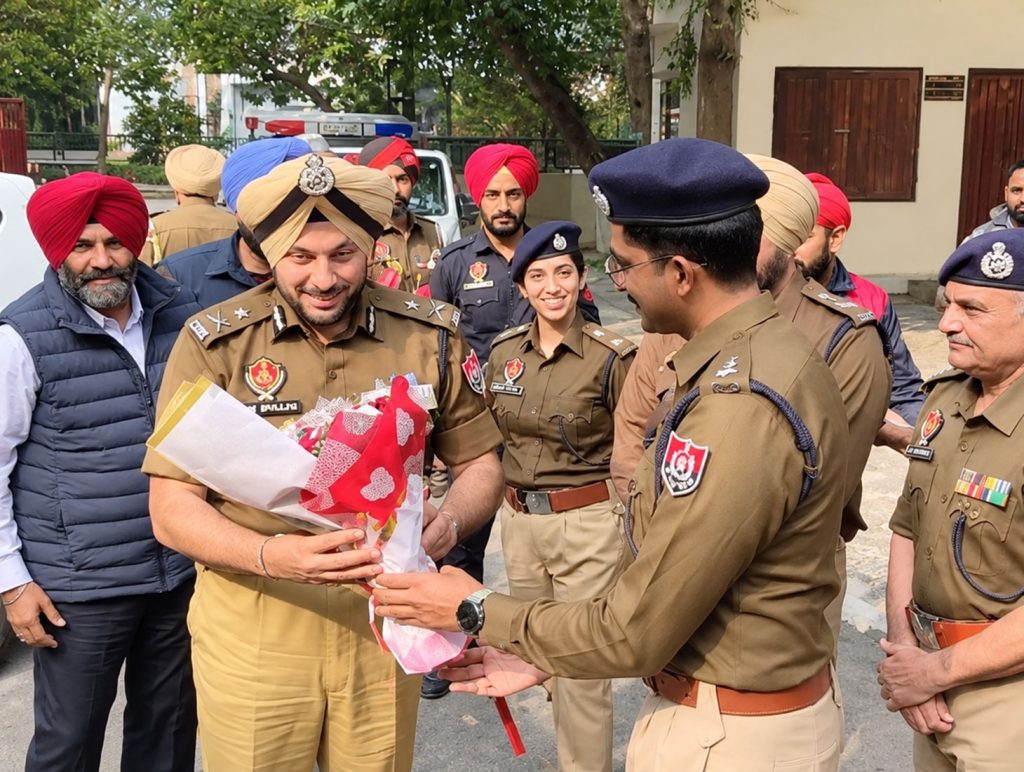
2004-batch IPS officer Gurpreet Singh Bhullar on Saturday took charge as the new Police Commissioner…
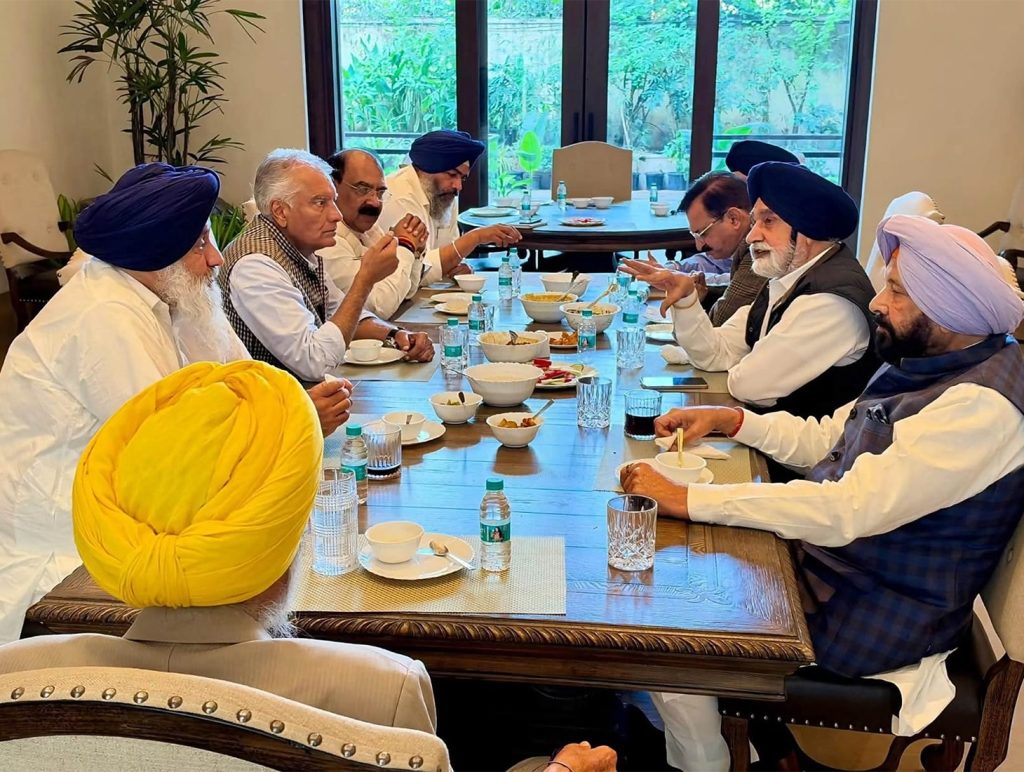
Lunch diplomacy marked the first meeting between Shiromani Akali Dal (SAD) and BJP leaders since…
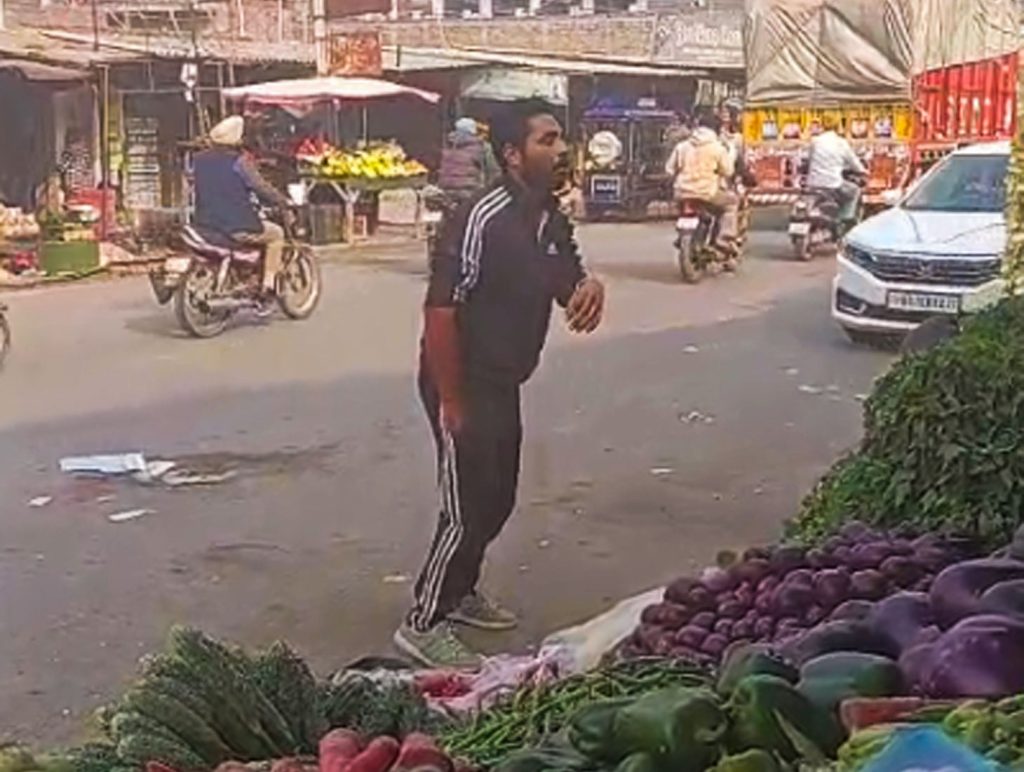
A viral video purportedly showing a youth allegedly under the influence of drugs staggering along…
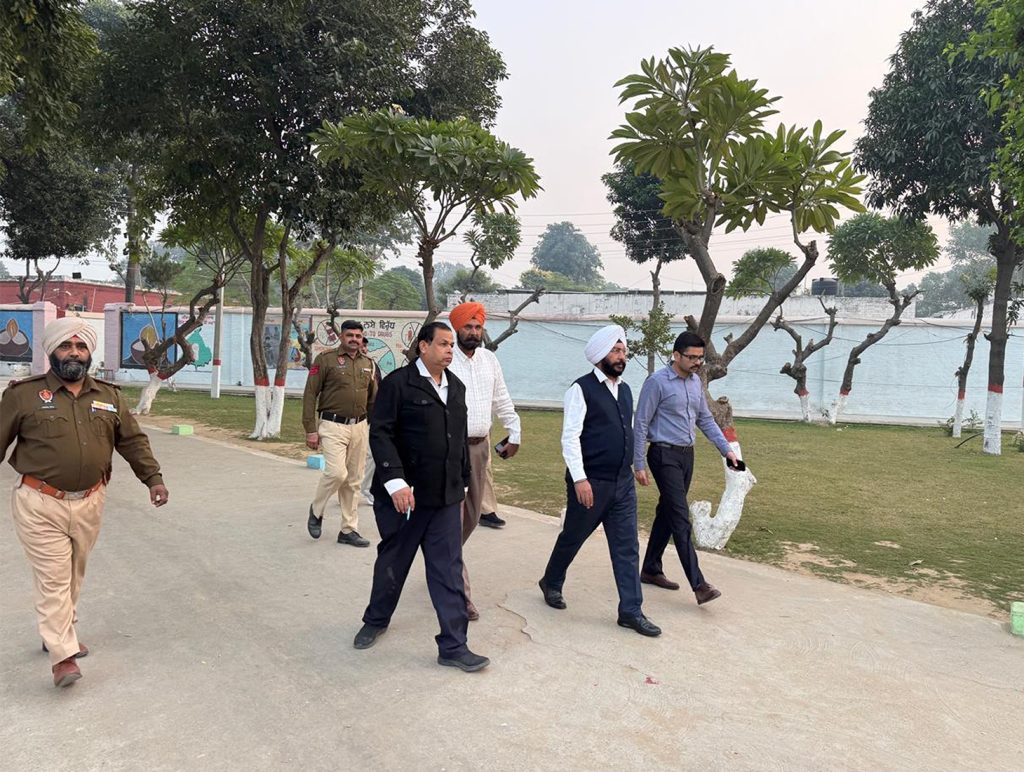
The re-polling across 30 wards of the Patiala Municipal Corporation concluded peacefully on Saturday, with…