




 Dr Kiran Deep
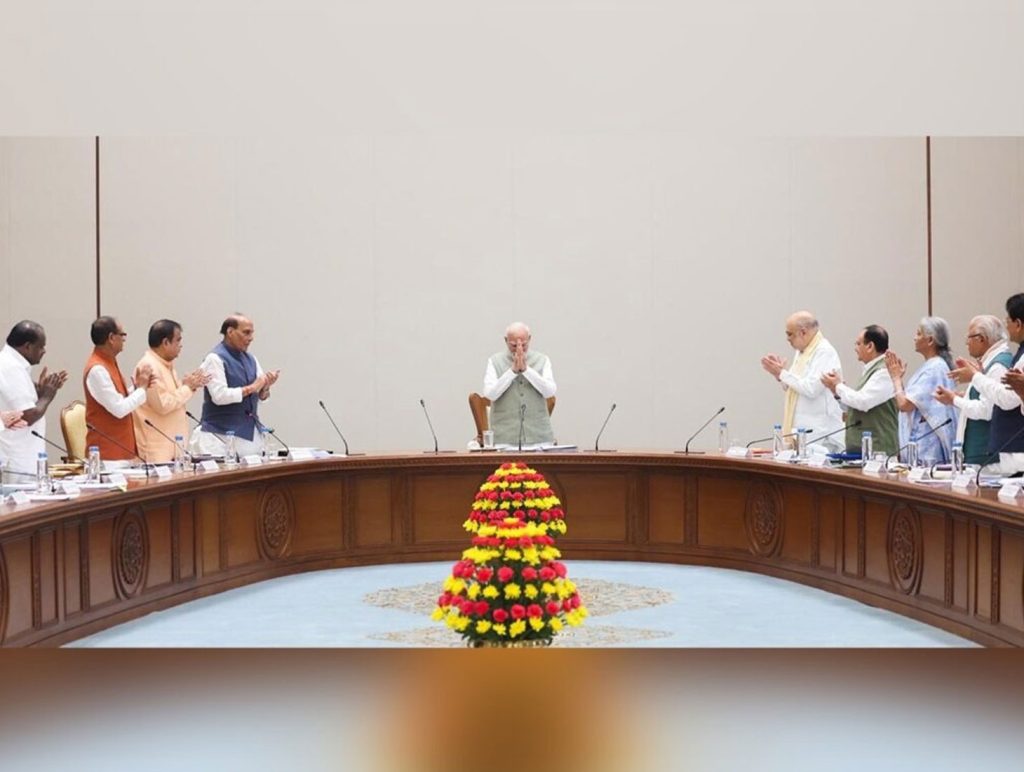
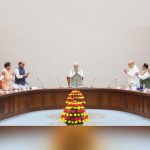
The Union Cabinet approval of the proposed Delimitation Bill could significantly reshape the poitics of northern India, with Punjab, Haryana, Chandigarh and Himachal Pradesh set to gain parliamentary representation ahead of the 2029 Lok Sabha elections.
Under the proposed framework, Punjab Lok Sabha seats will increase from 13 to 20, Haryana from 10 to 15, Chandigarh from one to two and Himachal Pradesh from four to five. The expansion represents 50 percent increase in representation across the four regions, giving political parties additional constituencies to contest.
The proposed changes are part of a broader plan to increase the strength of the Lok Sabha by 50 per cent, taking its total membership from the existing 543 to 815. The Union Cabinet cleared the proposal on Friday, paving the way for the government to introduce the legislative amendments in Parliament next week.
The exercise is expected to have a far-reaching impact on electoral politics in Punjab, Haryana and Himachal Pradesh, where an increase in constituencies could alter political calculations, campaign strategies and the balance of representation among different regions.
Punjab is projected to see its Assembly strength rise from 117 to 176 seats, while Haryana’s could increase from 90 to 135. In Himachal Pradesh, the number of Assembly constituencies is proposed to go up from 68 to 102.
For Punjab, the increase from 13 to 20 Lok Sabha constituencies would mean seven additional parliamentary seats. The state’s political parties, including the Aam Aadmi Party, Congress, Shiromani Akali Dal and BJP, would have more constituencies to contest as they prepare for the next general election.
In Haryana, the proposed addition of five Lok Sabha seats would take the state’s representation to 15. The expansion of its Assembly from 90 to 135 seats could also change the political significance of several constituencies and intensify competition among parties.
Chandigarh which currently has one Lok Sabha constituency, is proposed to get a second seat. The change would increase the Union Territory’s representation in Parliament and introduce a new dimension to its electoral politics.
Himachal Pradesh will gain one additional Lok Sabha seat taking its representation to five. Its Assembly could also expand by 34 seats from 68 to 102 marking substantial change in the state’s legislative structure.
An important feature of the proposed framework is its link with the implementation of women’s reservation. The plan envisages reserving 33 per cent of seats in the Lok Sabha and state Legislative Assemblies for women.
With increase in the strength of legislatures is expected to provide the framework for implementing the reservation without reducing the existing number of constituencies available to other categories of candidates. The proposed amendments also provide for freezing the allocation of seats for the next 25 years, until 2051. This provision is expected to address concerns over the future distribution of parliamentary representation among states.
The proposed expansion comes amid wider political debate over delimitation and the distribution of parliamentary seats between states. While an increase in representation would create more constituencies, its eventual impact would depend on the delimitation exercise and the boundaries drawn for the new seats.
For the four northern regions, the proposed changes could mark one of the most significant reorganisations of electoral representation in decades with the next general election in 2029 likely to be fought on a substantially altered political map.
With 69,191 POCSO cases registered in 2024, over 2.45 lakh cases pending before fast-track courts…

There is something deeply unsettling about having to question the safety of the one thing…
Some flavours belong to the tongue. Others find a permanent home in the heart. Gold…
Seventy-six years ago, India gave itself a Constitution. Today, its greatest promise remains the dream…