








 Disney Brar
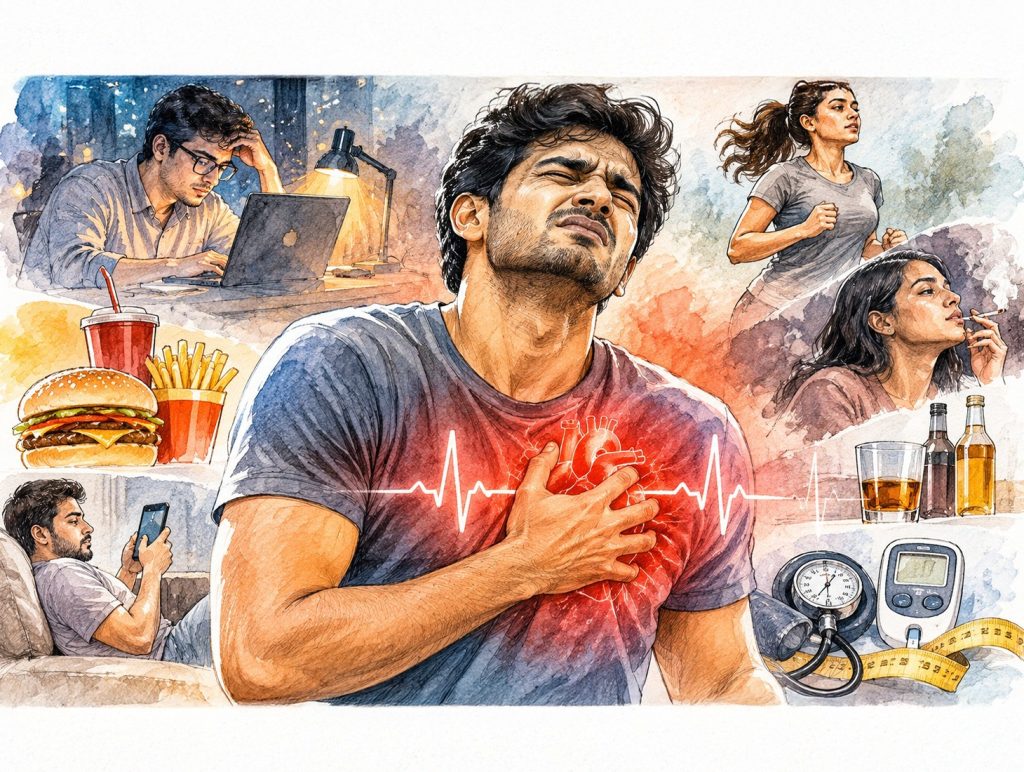
Once considered a disease of old age, heart attacks are increasingly affecting people in their 20s, 30s and 40s. Sedentary lifestyles, unhealthy diets, chronic stress, smoking and underlying health conditions are raising concerns about premature heart disease.
Heart attacks are no longer just an ageing-related concern. Across India, cardiac health among younger adults is emerging as a serious public-health issue.
What makes the trend alarming is that many young people consider themselves healthy and experience little or no warning before a cardiac arrest.
So, what is putting younger hearts at risk?
Cardiologists point to several lifestyle, metabolic and genetic factors:
Heart attack symptoms are sometimes mistaken for acidity, muscle pain or exhaustion.
Common warning signs include:
Symptoms can vary, and some people may not experience typical chest pain. Women may also report unusual tiredness, nausea and back or shoulder discomfort.
A suspected heart attack is a medical emergency. Seek immediate medical attention rather than waiting for symptoms to subside.
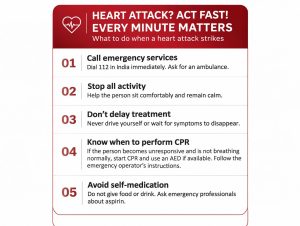
Protecting heart health requires consistent lifestyle changes, even when there are no symptoms.
The World Health Organisation identifies tobacco use, physical inactivity, unhealthy diets and harmful alcohol consumption as major behavioural risk factors for cardiovascular disease.
A heart attack and cardiac arrest are not the same. A heart attack occurs when blood flow to the heart muscle is blocked, while cardiac arrest happens when the heart suddenly stops pumping effectively due to an electrical malfunction. Both require emergency care.
Young age should never be mistaken for immunity against heart disease. Awareness of family history, regular health checks and healthier lifestyle choices can help reduce risks.
The heart does not wait for old age to demand attention. It is time to listen before it sends a warning.
Beyond irregular periods and fertility concerns, Polycystic Ovary Syndrome can affect a woman’s physical, metabolic…

With an aim to steer Punjab’s youth away from drug abuse and promote fitness and…
It is a familiar winter scene. The alarm rings, the shoes come out, a jacket…
Resident doctors from the Department of Community Medicine and School of Public Health at PGIMER,…