








 The North News

A cancer diagnosis can turn a family’s life upside down. Along with the emotional strain, patients and their relatives often face mounting medical bills, with the cost of medicines becoming one of the biggest challenges. A government decision to reduce the prices of 137 anti-cancer drugs could now bring some relief to families struggling to afford treatment.
The revised prices, which come into effect on November 9, follow the government’s decision to cap trade margins on these medicines at 30 per cent of their maximum retail price (MRP). The move covers both non-scheduled and patented anti-cancer drugs.
The National Pharmaceutical Pricing Authority (NPPA) introduced the price-control measure on October 17. Companies have reported reductions ranging from 20 per cent to 70 per cent on average, while the steepest cut stands at 96.45 per cent, according to figures available on November 4.
The estimated savings for consumers are Rs 3,357.49 crore. The calculation is based on the difference between the earlier and revised prices applied to sales volumes recorded between April 2025 and March 2026. For patients who need medicines over several months or even years, lower prices can make meaningful difference. Cancer treatment often involves repeated purchases of expensive drugs adding to the cost of hospital visits, diagnostic tests and other medical care. For families paying these expenses from their own pockets, even a reduction in medicine bills can help ease the pressure.
The decision also addresses a long-standing concern raised by patients, state authorities and civil society groups: the wide gap between the price at which pharmaceutical companies supply medicines to distributors and what patients are eventually charged.
This difference is known as the trade margin. When the margin is high, the price can rise significantly by the time a medicine reaches a retail or hospital pharmacy. The new rules seek to limit this increase by restricting the trade margin to 30 per cent, excluding GST.
Under the revised prices, the maximum retail price of each medicine has been calculated using its average distributor price in March 2026. Besides this, the new rates will apply across retail and hospital pharmacies. Patients and their families can check the revised prices on the NPPA website and also through the government’s Pharma Sahi Daam mobile application.
The latest decision expands an earlier government initiative launched in 2019, when trade margins were rationalised for 42 non-scheduled anti-cancer medicines. The new order brings 137 medicines, including patented drugs, under the price-control measure.
To implement the decision, the government invoked its special powers under Paragraph 19 of the Drugs (Prices Control) Order, 2013, following recommendations from an expert committee constituted under the Directorate General of Health Services.
Under the existing drug-price control system, medicines listed as scheduled drugs have government-fixed ceiling prices. Non-scheduled medicines, meanwhile, are generally subject to restrictions on annual price increases.
The latest intervention seeks to extend price relief to a wider range of cancer medicines. While lower prices cannot remove the emotional and physical challenges of cancer treatment, they can reduce one of the financial burdens that patients and their families face while fighting the disease.

From the glow of earthen diyas to the sacred chants of Lakshmi Puja, Diwali is…

India celebrated another Asian Champions Trophy triumph on Thursday defeating Japan 4-1 in the final…
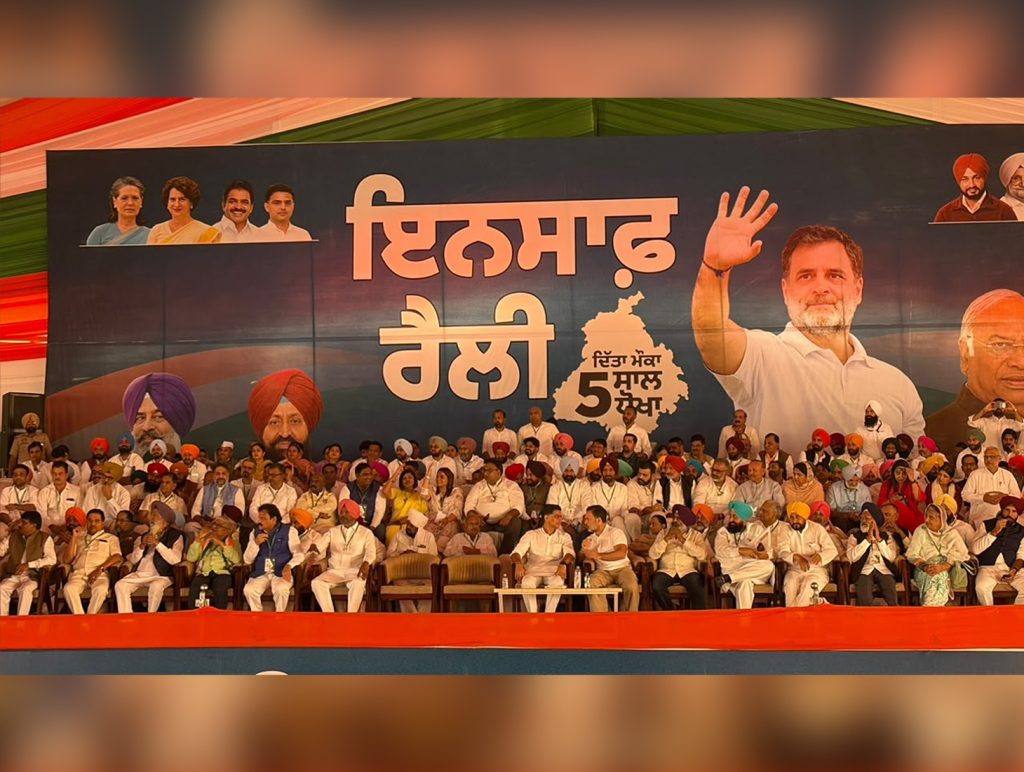
Congress leader Rahul Gandhi has accused the Aam Aadmi Party (AAP) government of failing to…

Dr Kiran Deep, Editor-in-Chief of The North News, on Tuesday formally presented the first copy…