








 PTI
PTI
Mumbai, April 16
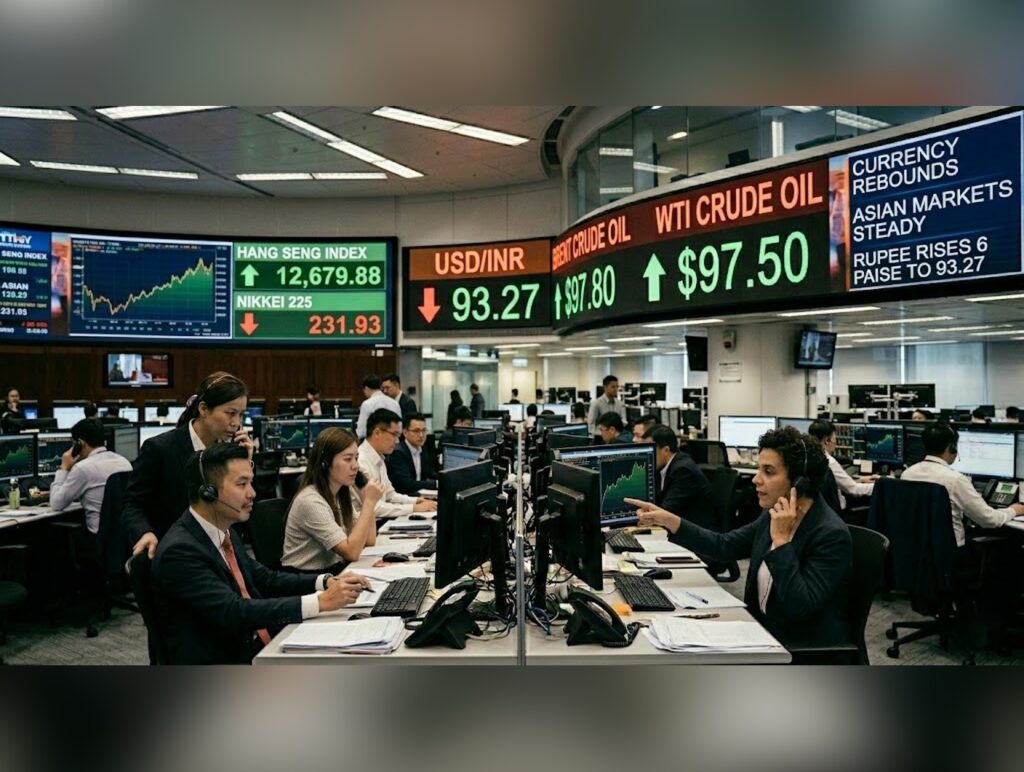
The Indian rupee appreciated by 6 paise to 93.27 against the US dollar in early trade on Thursday, supported by a weaker American currency and easing crude oil prices, amid expectations of a possible truce in West Asia, while gains were capped by foreign fund outflows and importer demand for dollars.
According to forex analysts, crude oil prices remaining below USD 95 per barrel lifted sentiment in domestic equity markets. However, continued outflow of foreign capital and steady demand for the US dollar from importers restricted a stronger recovery in the rupee. At the interbank foreign exchange market, the rupee opened at 93.29 against the US dollar and strengthened to 93.27 in early deals, registering a gain of 6 paise over its previous close. On Wednesday, the rupee had settled 2 paise higher at 93.33 against the greenback.
The dollar index, which measures the strength of the US currency against a basket of six major currencies, declined by 0.12 percent to 97.72. In the commodities market, Brent crude, the global oil benchmark, was trading marginally higher by 0.02 percent at USD 94.95 per barrel in futures trade. Domestic equity markets opened on a positive note, with the Sensex rising 529.55 points or 0.68 percent to 78,640.79, while the Nifty advanced 156.50 points or 0.65 percent to 24,387.80. Exchange data showed that Foreign Institutional Investors were net sellers on Wednesday, offloading equities worth Rs 666.15 crore.
Government data released on Wednesday showed that the wholesale price index-based inflation rose to a more than three-year high of 3.88 percent in March, driven by increased prices of fuel, power, and manufactured goods amid tensions in West Asia. Retail inflation, based on the consumer price index, also edged higher to 3.4 percent in March from 3.21 percent in the previous month, mainly due to a rise in prices of certain food items. The rupee’s movement is expected to remain influenced by global crude oil trends, foreign investment flows, and inflation indicators, as markets track developments in West Asia and signals from the US dollar.
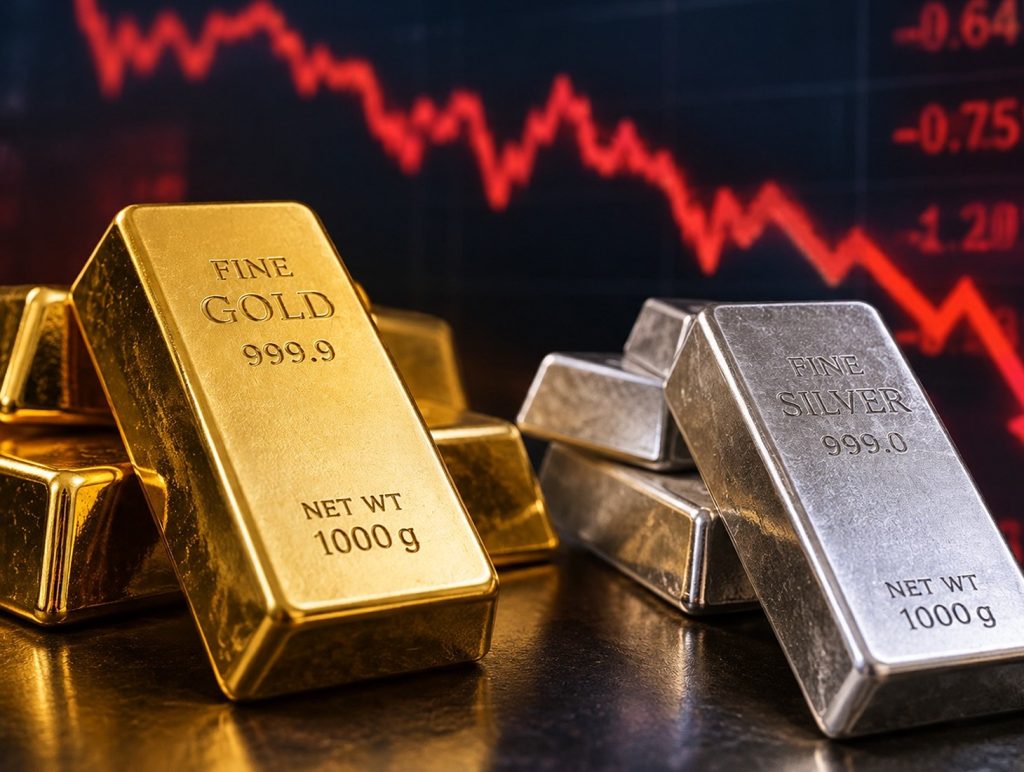
Gold prices fall below Rs 1.53 lakh, silver drops below Rs 2.40 lakh per kg…

UT Administrator inaugurates three-day expo in Chandigarh as over 700 chefs and food industry stakeholders…

Six variants offer claimed IDC range of up to 200 km; priced from Rs 99,999…

Revised MDR applies to select high-value merchant transactions, with safeguards for users Chandigarh, September 16…