






 Rahul Chawla
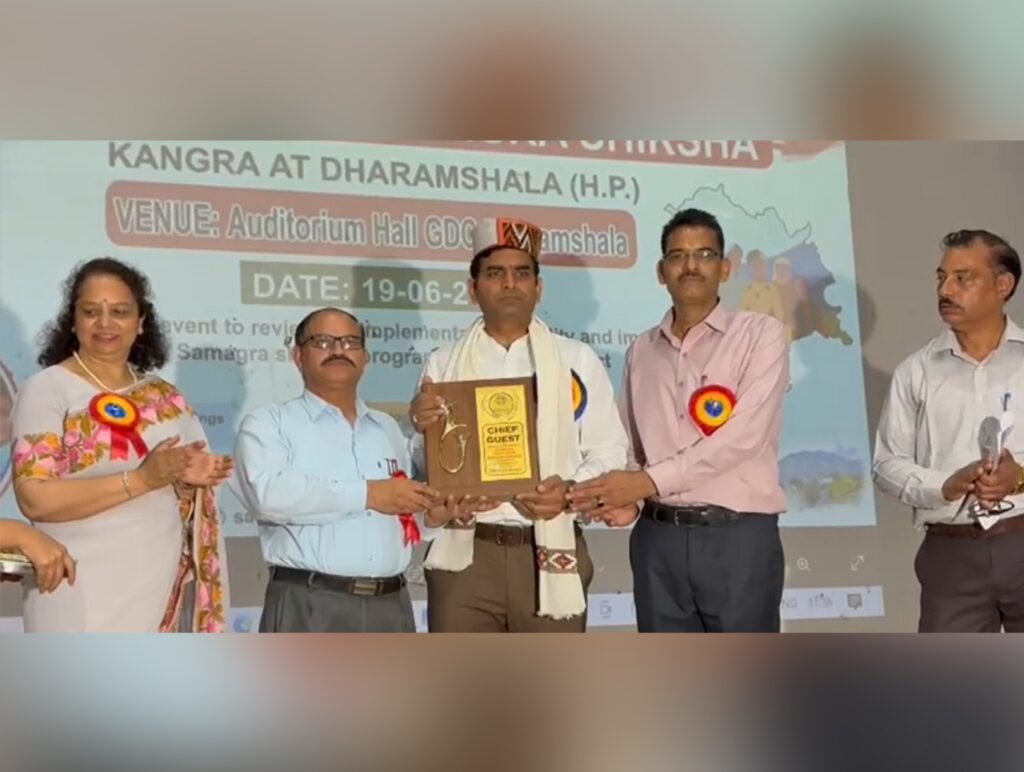
Dharmshala, June 19
A social audit of schools operating under the Sarva Shiksha Abhiyan (SSA) in Kangra district has revealed serious shortcomings in infrastructure, student safety, administrative monitoring, and quality of educational facilities, raising concerns about the effective implementation of the Right to Education (RTE) Act.
The findings were presented during a public hearing held in Dharamshala, where more than 2,000 parents, teachers, School Management Committee (SMC) members, public representatives, and education department officials participated. Kangra Deputy Commissioner Hemraj Bairwa also reviewed the report.
A team from Himachal Pradesh University assessed 519 schools out of the district’s total 2,364 schools as part of the social audit exercise. According to Himanshu, a member of the Social Audit team, the report highlighted significant gaps in basic facilities across schools.
The audit found that 44 percent of schools lacked adequate classrooms and staff rooms, and 27 percent lacked sufficient furniture. Student safety concerns were also highlighted, with more than 78 percent of schools found without boundary walls or proper security fencing.
The report further revealed that around 65 percent of schools lacked motorable road connectivity, creating difficulties for students, particularly children with special needs. Nearly 9 percent of schools lacked separate toilets for girl students, and a similar number lacked proper drinking water facilities.
The audit also found that 2 percent of schools lacked kitchens for the Mid-Day Meal Scheme. Facilities related to adolescent girls’ health were also reported to be inadequate, with more than 40 percent of schools not providing sanitary pads.
The report stated that nearly one-third of schools had not formed school safety committees and lacked complaint and suggestion boxes. It also revealed that none of the surveyed schools had professional counselling services available for students.
More than 80 percent of schools were found to be unable to provide library facilities in accordance with prescribed standards. The audit also raised questions about the education department’s monitoring system, noting irregular inspections by subordinate education officials and weak implementation of co-curricular activities.
The report noted that the ‘One Nation, Great Nation’ programme was not being followed in 48 percent of schools.
During the public hearing, parents and members of the local community demanded improvements in school infrastructure, better transport facilities, stronger monitoring mechanisms, and greater accountability within the education system.
The social audit report will now be forwarded to the state education department for necessary action. Experts said that addressing these systemic gaps would be essential to ensure equal and quality education for every child under the Right to Education Act.
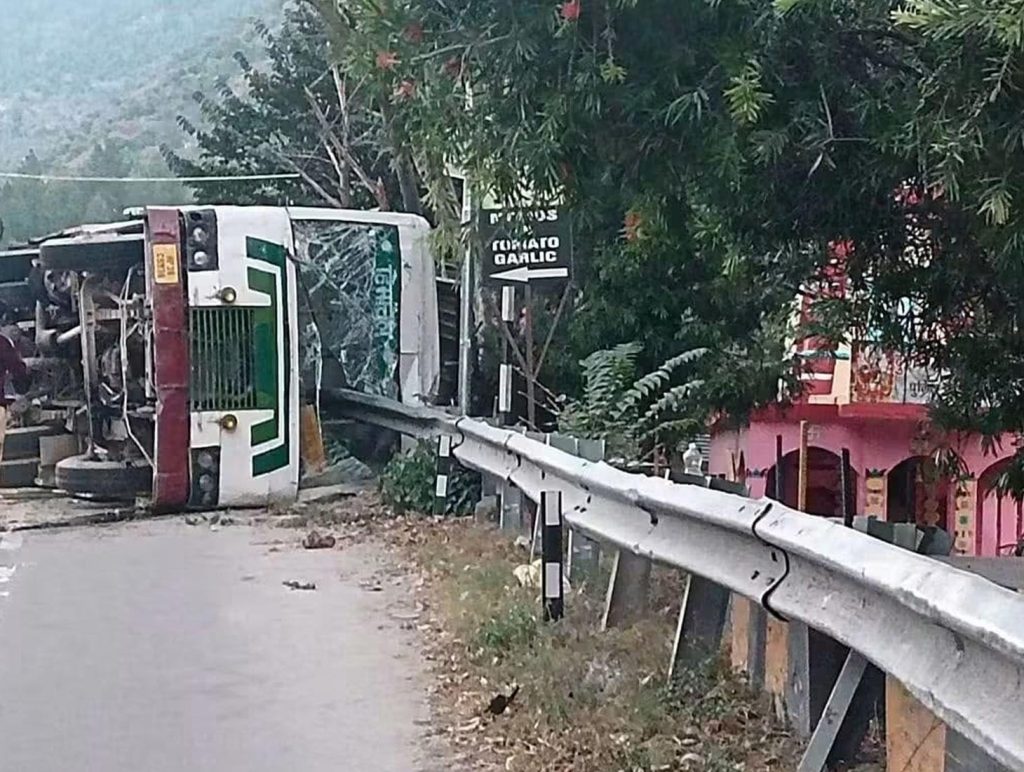
The bus was travelling from Manali to Pathankot when it overturned at a bend in…
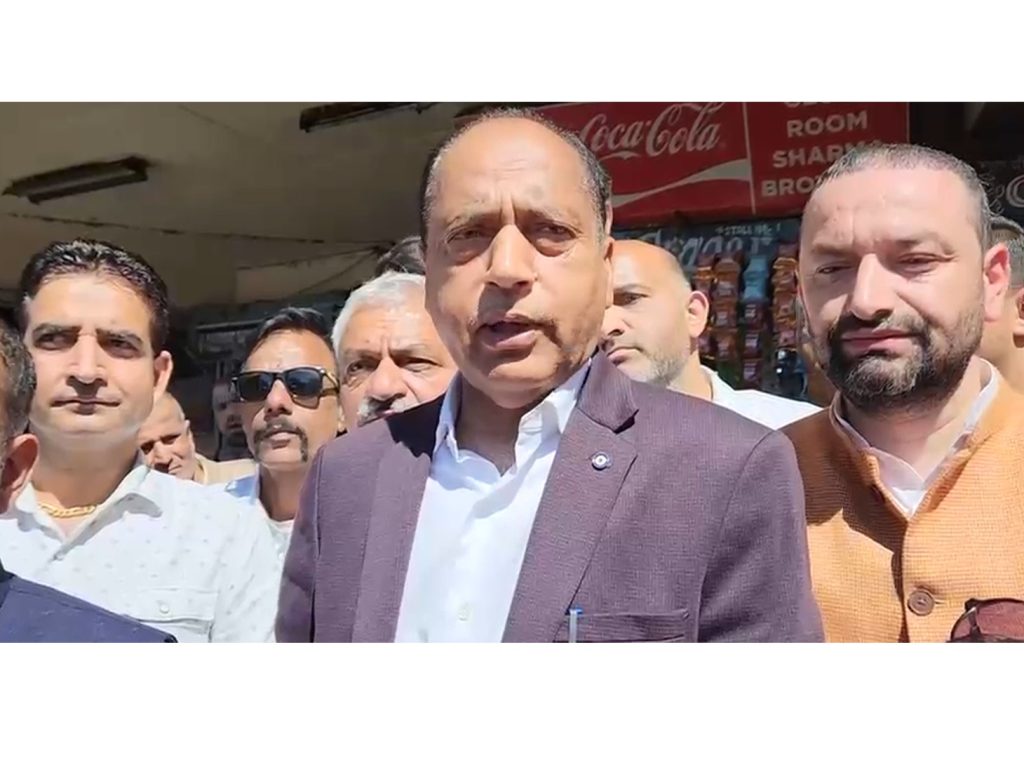
BJP leader questioned the delay in launching a proposed welfare scheme Shimla: Himachal Pradesh Leader…
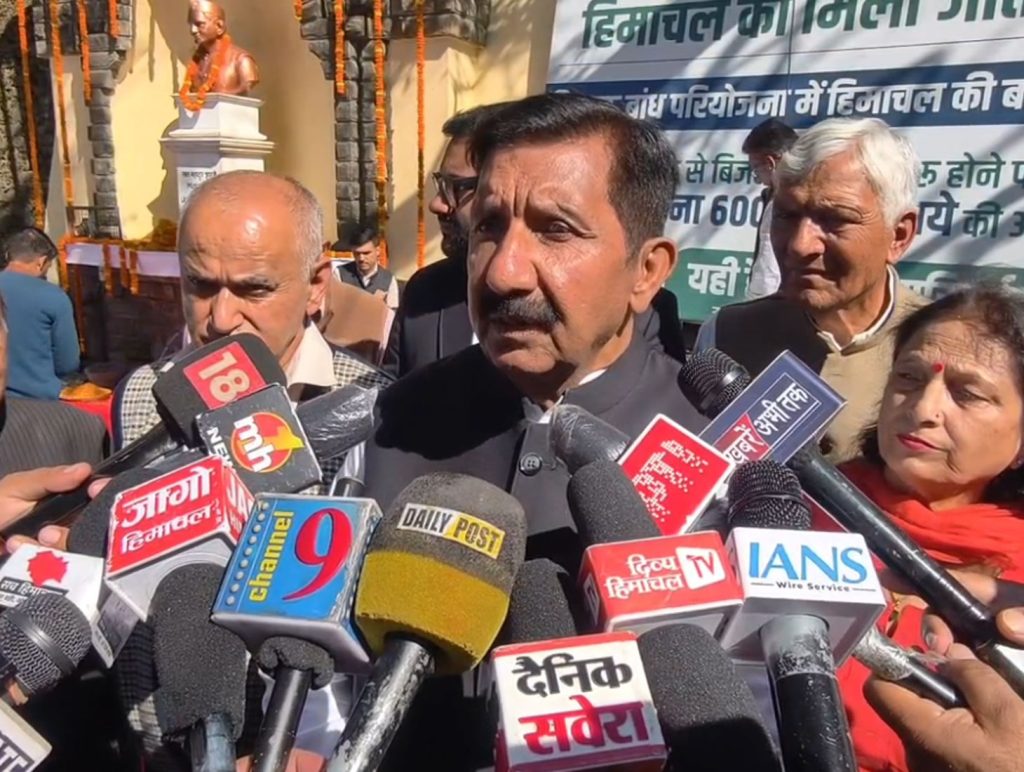
Governor, Deputy CM, Leader of Opposition and other dignitaries pay tributes to national leaders Shimla:…
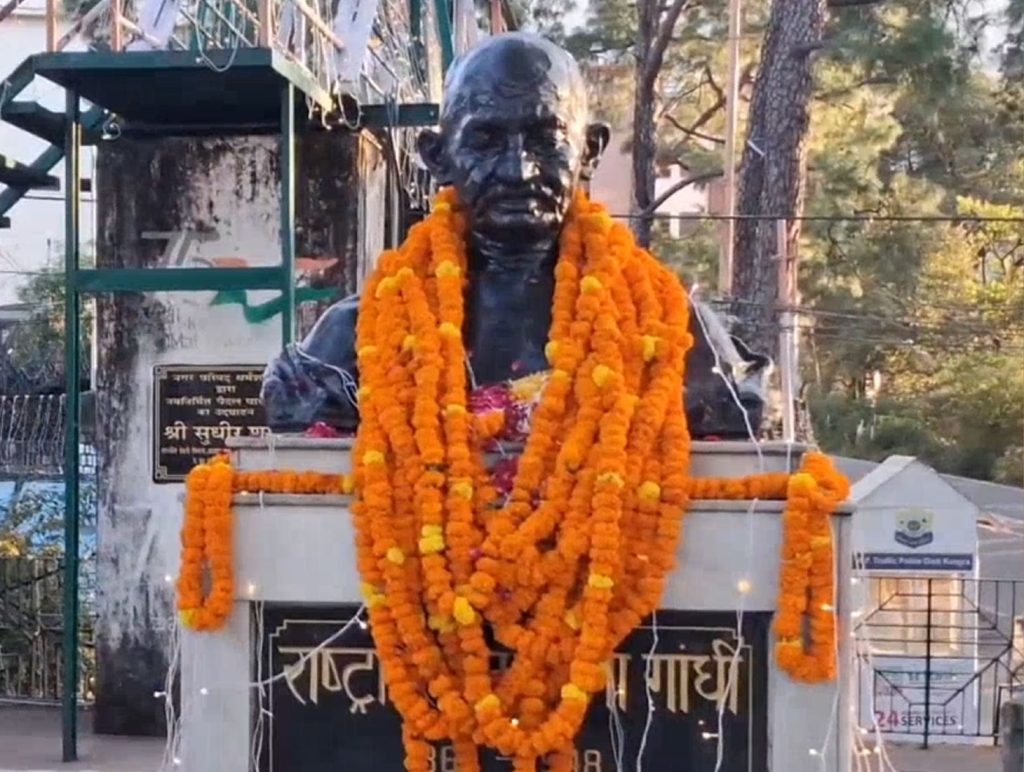
Dharamshala marks Gandhi Jayanti with tributes, peace march and interfaith gathering Dharamshala: Mahatma Gandhi’s birth…