






 Disney Brar
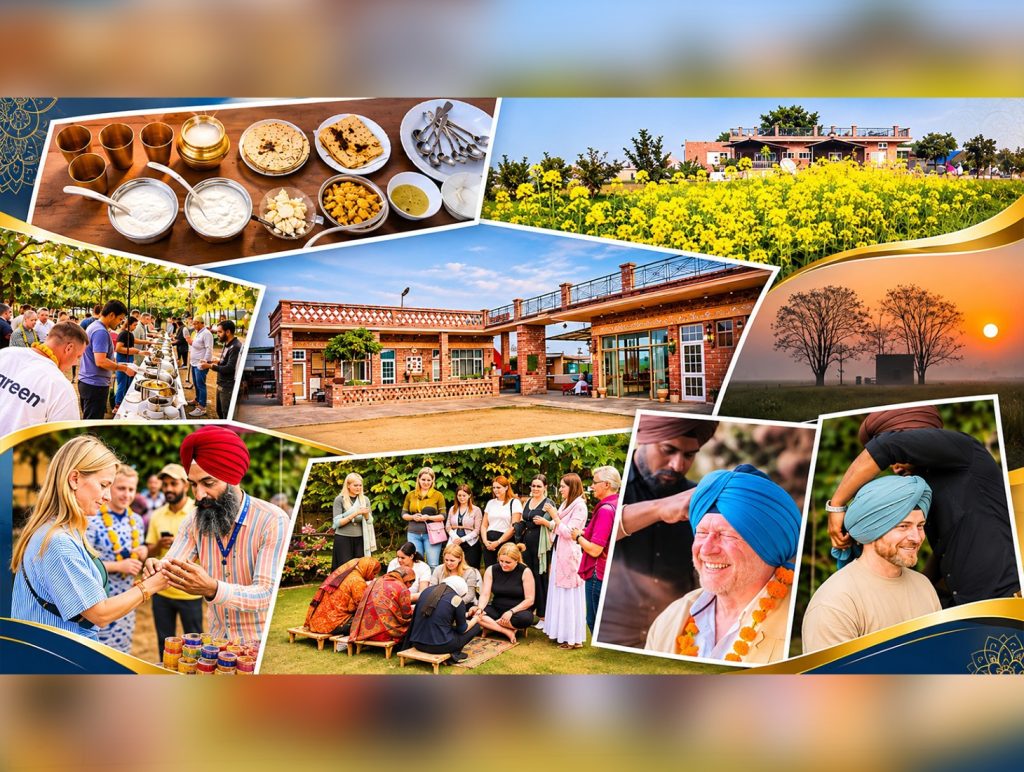

From mustard fields and organic farms to tractor rides, traditional kitchens and village courtyards, Punjab is looking to turn its agrarian landscape into a tourism destination. With 21 of the 35 applications under its Farm Stay Policy 2026 approved so far, the question is whether rural charm can translate into a sustainable new travel economy.
Mohali: Imagine waking up to birdsong, stepping out into a courtyard washed in winter sunshine, walking through mustard fields and ending the day with a steaming cup of chah. Throw in a tractor ride, a visit to the dairy and a meal of makki di roti and sarson da saag, and you have a holiday that is less about sightseeing and more about slowing down.
Punjab wants to put this experience on the tourism map. But can its villages, farms and traditional hospitality become the next big travel draw? The idea has promise, although the early numbers suggest that the journey has only just begun. Of the 35 applications received under Punjab’s Farm Stay Policy 2026, 21 have been approved so far, 12 are pending and two have been rejected.
Introduced in May 2026, the policy seeks to help farmers diversify their income by opening their properties to visitors seeking an immersive rural experience. Eligible landowners with at least one acre of agricultural land can establish farm stays with two to nine guest rooms, provided they offer at least two rural experiences. Farm walks, tractor rides, dairy visits and traditional village activities are among the experiences envisaged.
The road to implementation, however, has not been without its complications. On September 15, 2026, Punjab amended the policy following intervention by the National Green Tribunal (NGT). The amendment excludes land covered under the Punjab Land Preservation Act, 1900, including land released or de-listed from its provisions.
The early response has been uneven. Mohali accounts for the largest share of applications, with 14, followed by Ludhiana with four. For a state whose identity is deeply rooted in agriculture, the modest numbers raise a larger question: what will it take to persuade more farmers to open their fields, homes and courtyards to travellers?
There is, after all, a certain poetry to rural Punjab. Mustard fields glowing in the winter sun, cattle returning home at dusk, the aroma of fresh rotis rising from village kitchens and conversations stretching over endless cups of chah. These are not experiences invented for tourists. They are the everyday rhythms of a countryside that has long existed beyond the conventional tourism circuit.
And perhaps that is precisely the appeal.
As travellers increasingly seek slower holidays, authentic encounters and experiences beyond crowded tourist destinations, Punjab has an opportunity to turn its agricultural heartland into a destination in its own right. A handful of farms and rural hospitality ventures have already begun doing so, offering a glimpse of what this emerging tourism economy could look like.
Where the Fields Tell Stories: Punjab’s New Rural Tourism Dream
At Hansali Organic Farm in Fatehgarh Sahib, the experience begins with the soil. Founded by Sukhchain Singh Gill, the 13.5-acre property brings together organic cultivation, dairy farming, orchards and rural accommodation. Visitors can explore the farm, understand agricultural practices and enjoy meals prepared with fresh produce.
Hansali’s contribution to rural tourism received national recognition when the village was named Best Tourism Village of India 2024 in the agri-tourism category. The farm also won gold at the Indian Responsible Tourism Awards (IRTA) in the Leadership in Homestay’s category and received the ICCOA Jaivik India National Award for securing first place in North India in organic farming.
Talking to The North News, Pavail Gill, founder of Hansali Organic Farm, says, “We have been practising organic agriculture since 2007 on around 13.5 acres. With annual organic certification from Punjab Agro since 2011, in accordance with NPOP standards, the farm has remained committed to responsible agriculture and chemical-free food production. Over the years, Hansali has developed a holistic farming model, practising integrated organic agriculture with a multi-fruit orchard, free-range poultry, a cow-milk dairy with native Sahiwal cows, a goat farm and open-field organic cultivation of wheat, basmati rice, mustard, sugarcane, fodder and pulses. This is complemented by direct farm-to-home marketing, connecting more than 200 consumers in Chandigarh and the tricity daily with the source of our food.”
The transition from farming to hospitality came in 2019, when Hansali ventured into farm tourism with the aim of bringing people closer to agriculture and rural life.
Gill adds, “We offer farm stays in four comfortable rooms, guided farm tours, day experiences and traditional Punjabi farm-to-table meals, giving visitors an opportunity to experience the culture, hospitality and everyday life of rural Punjab. The farm also regularly hosts educational visits by schools, colleges, agricultural institutions and farmer groups. A significant milestone in our journey was the visit of His Royal Highness, the Prince of Wales (now King Charles III), in 2010, which brought international recognition to the farm’s commitment to sustainable agriculture.”
Beyond the Bhangra: Discovering the Quiet Charm of Rural Punjab
If Hansali’s story is rooted in organic farming, Citrus County, ama Stays and Trails near Hoshiarpur offers another interpretation of countryside hospitality, combining an orchard setting with accommodation and curated experiences. Yet, for established operators, the promise of farm tourism also comes with practical challenges. Its owner, Harkirat Singh Ahluwalia, has flagged the multiple departmental clearances required under the new policy, pointing to the need for a regulatory framework that is easier for entrepreneurs and farmers to navigate.
Talking to The North News, Ahluwalia, one of the pioneers of rural farm tourism in Punjab, says, “This initiative helps the overall community as well. The staff we hire are people who previously worked with us on the farm and were completely unskilled. We trained them to meet the requirements of the hospitality industry. Our aim was to ensure that our workforce moved from unskilled to skilled employment. We organise activities such as ‘Be a Farmer Week’, during which schoolchildren come and stay with us, participate in farm activities, learn the basics of farming and return as much more responsible individuals. We also organise culinary activities where people come and learn traditional Punjabi cooking with us. Holla Mohalla is another important occasion for us. We introduced the concept of bringing inbound tourists from abroad to Punjab to spend time here during this sacred festival before heading to Anandpur Sahib. We also organise destination weddings in the traditional Punjabi style for tourists coming from Australia and Europe.”
Further west, in Katehra village of Fazilka, Jyani Natural Farm offers a different kind of immersion. Run by the Jyani family, the farm has spent more than two decades exploring organic and natural farming. Its activities include agricultural learning programmes, crop harvesting, dairy experiences and farm-to-table meals. Beyond a countryside getaway, it offers younger visitors an opportunity to understand soil health, water conservation and traditional farming knowledge.
At Sohangarh Farmversity in Ferozepur, the focus shifts to biodiversity and chemical-free cultivation. Mud-house accommodation, farm walks and hands-on agricultural experiences bring sustainable farming and rural hospitality together. Meanwhile, Punjab Village Farm in Gurdaspur introduces visitors to rural architecture, traditional food and village life, while Rare Punjab Holidays near Amritsar builds its experiences around tractor rides, local cuisine and Punjabi cultural activities.
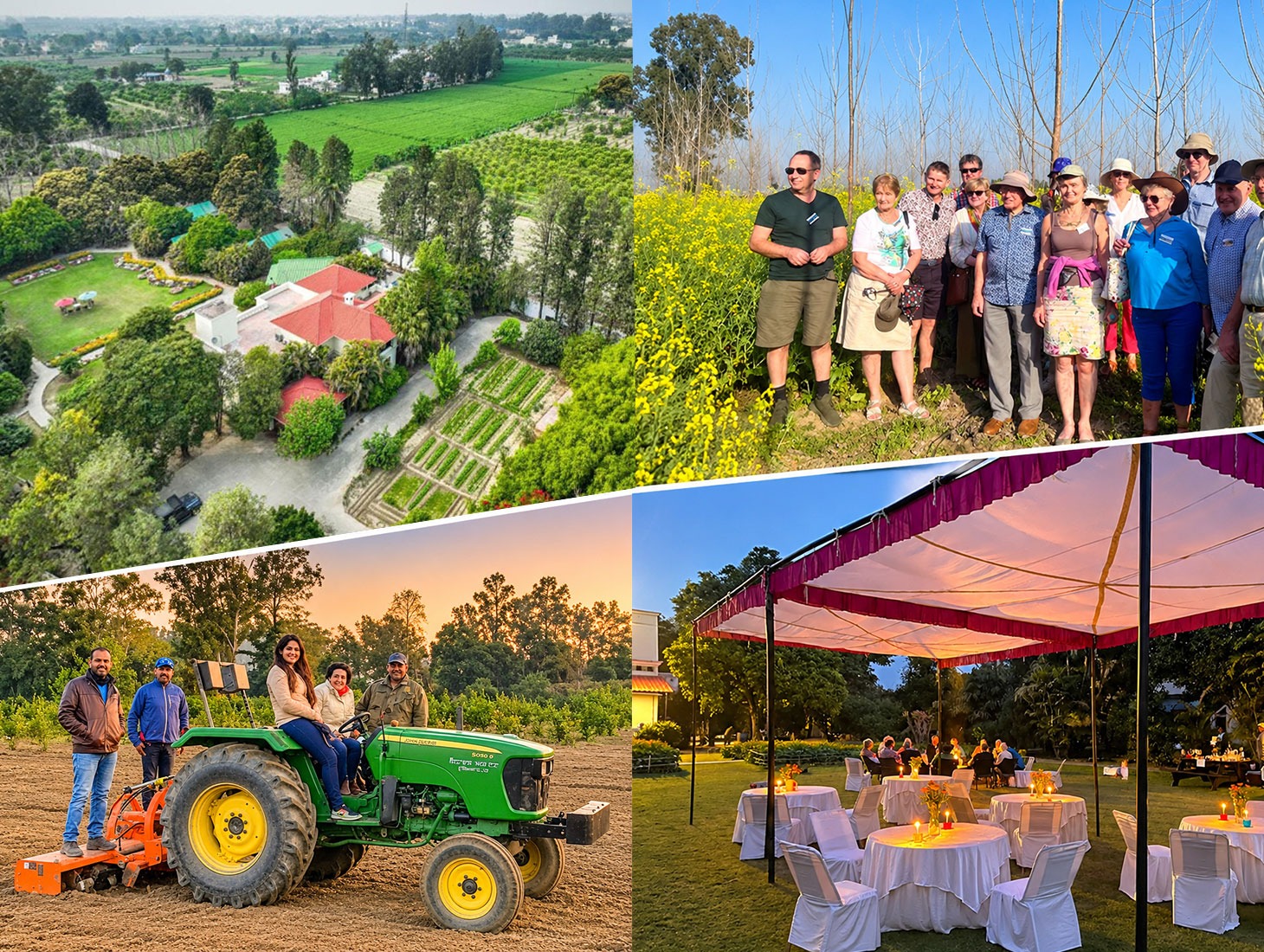 (The Citrus County, ama Stays and Trails near Hoshiarpur)
The Poetry of Punjab’s Countryside: A New Travel Story Unfolds
Together, these ventures point to something larger than a new category of accommodation. Farm tourism could create supplementary income for agricultural households while opening up employment opportunities for village cooks, local guides, artisans, dairy workers and small entrepreneurs. It could also bring traditional food systems, indigenous seeds, local crafts and farming practices into the tourism conversation.
The community dividend is already visible in some of these initiatives. From training farm workers for hospitality roles and introducing schoolchildren to agriculture to organising culinary workshops, destination weddings and cultural excursions around Holla Mohalla, operators such as Citrus County, are demonstrating how rural tourism can extend its benefits beyond guest rooms and bookings.
But turning individual success stories into a viable tourism movement will require more than picturesque properties and a generous dose of Punjabi hospitality. Awareness among farmers, investment, basic infrastructure, hospitality standards and access to clearances will determine how quickly the sector grows. The concerns raised by existing operators underline the importance of simplifying procedures and creating an environment in which more farmers feel encouraged to participate.
Back to the Roots: Punjab Invites Travellers to Its Village Courtyards
There is also a delicate balance to maintain. Farm tourism must complement agriculture, not displace it. The objective cannot be to turn productive farmland into another cluster of conventional commercial resorts. The real attraction lies in the authenticity of the experience — understanding where food comes from, walking through fields, learning about farming and sharing the everyday life of a village.
Perhaps Punjab does not need to invent a new tourism identity. It only needs to tell the story of the one it already has.
Its farms, food, folk traditions, open courtyards and instinctive hospitality are part of a cultural inheritance that has rarely been packaged as a tourism experience. The challenge is to present it thoughtfully, without stripping it of the simplicity that makes it special.
In an age of hurried itineraries and carefully curated holidays, perhaps the new luxury is not another infinity pool or mountain-facing balcony. It is a morning without an alarm, a walk through dew-covered fields, food cooked with ingredients grown on the farm and an evening spent around a bonfire.
The next travel trend may not come with a grand entrance. It may arrive quietly, on a village pathway, with the creak of a charpai and the familiar warmth of a steaming cup of chah.
Somewhere in rural Punjab, a different kind of holiday is waiting to be discovered.
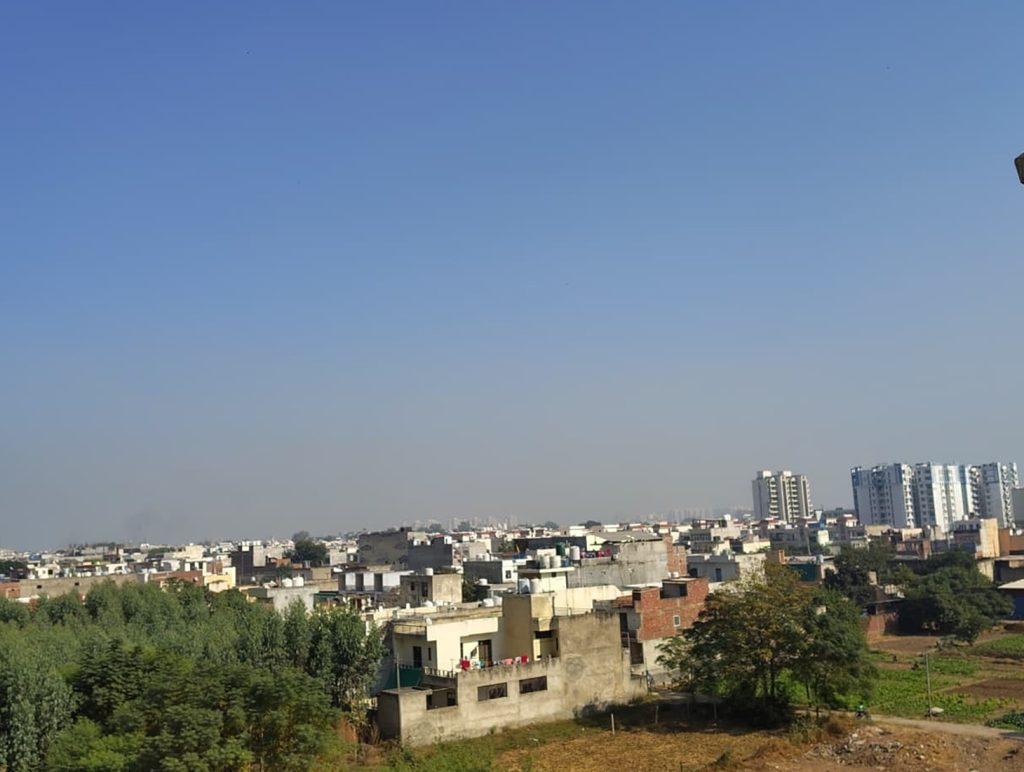
With Jalandhar and Mandi Gobindgarh recording an AQI of 336, Punjab’s pollution levels rise across…
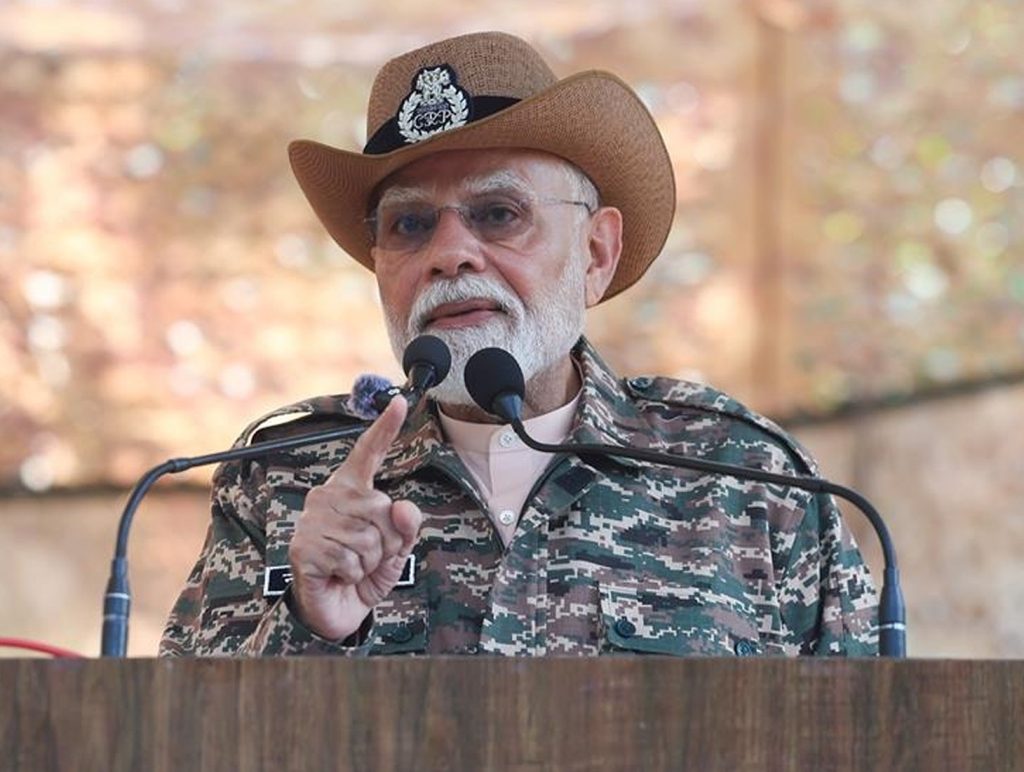
Prime Minister Narendra Modi celebrated Diwali with security personnel at the CoBRA Operations Base at…

A cancer diagnosis can turn a family’s life upside down. Along with the emotional strain,…
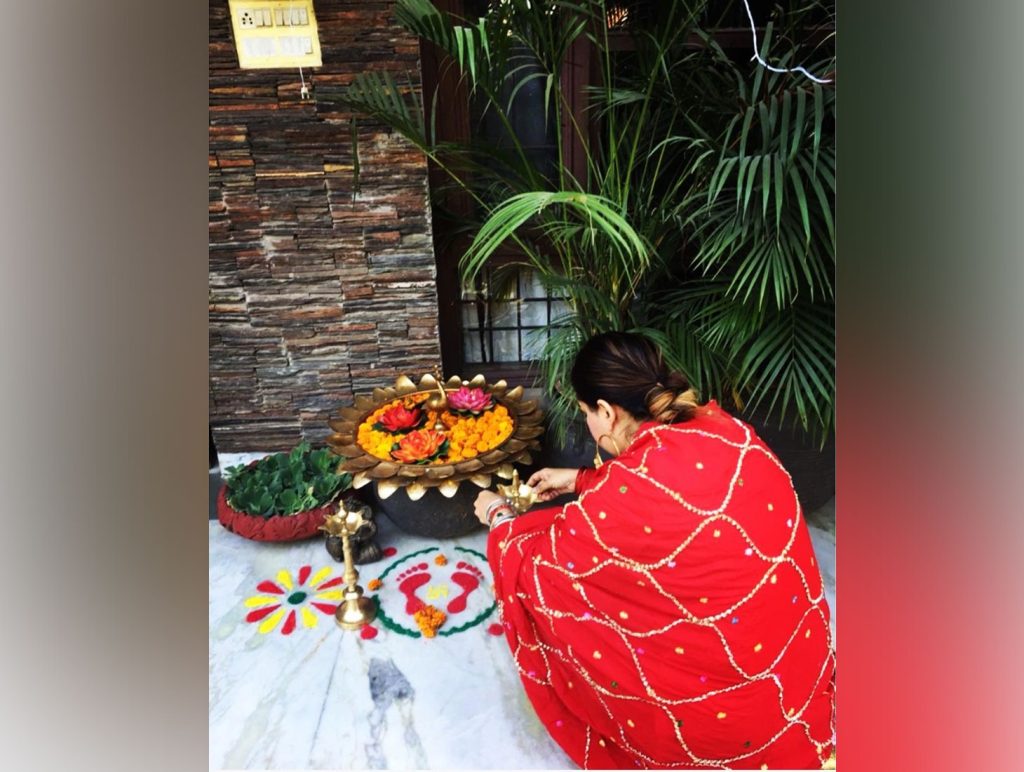
From the glow of earthen diyas to the sacred chants of Lakshmi Puja, Diwali is…