







 Damini Sharma
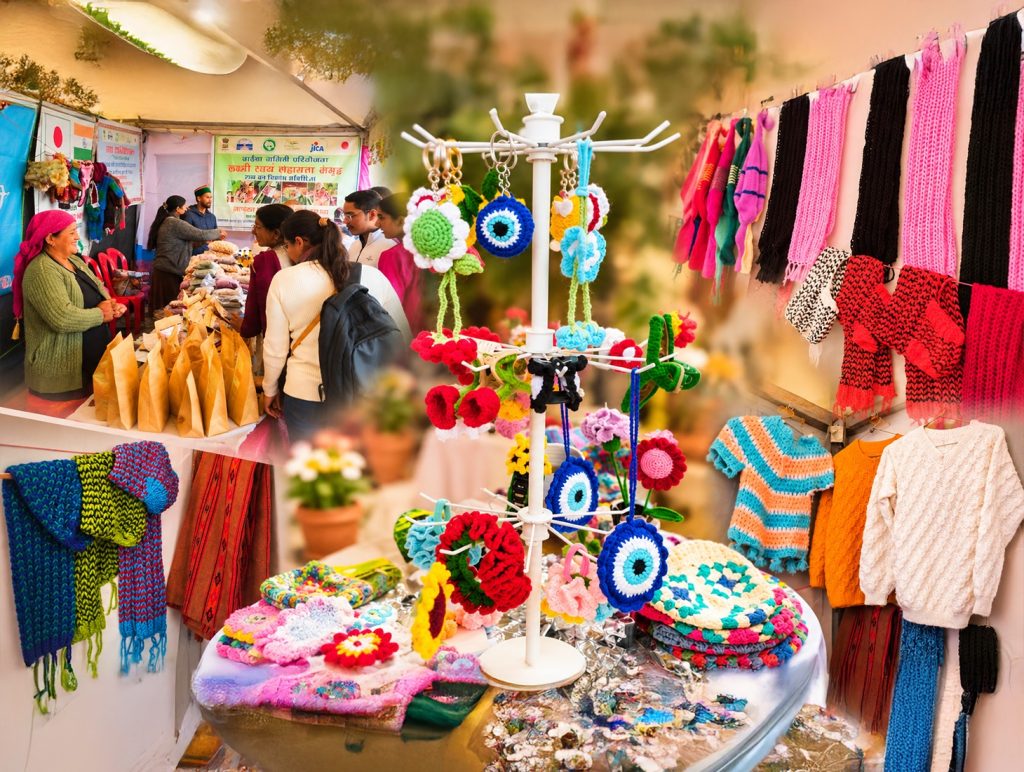
At the International Lavi Fair, traditional woollen craft shares space with an unusual range of homemade pickles. From carefully knitted scarves and shawls to preparations made with potatoes, fresh coriander and persimmons, women associated with the Nankari block are showcasing how traditional skills and new ideas can create livelihood opportunities.For Deepa Devi, an Internal Community Resource Person (ICRP) from the Nankari block, every handmade woollen product represents hours of work, patience and an understanding of traditional craftsmanship. A fine-gauge woollen scarf, for instance, takes nearly two days to complete, with the stitching process requiring careful attention.The prices vary according to the size of the product and the quality of yarn used. A lighter-yarn Patu costs around Rs 600, while pieces made with better-quality yarn are priced between Rs 1,500 and Rs 2,000.
A full-sized Kulvi Patu, a traditional shawl associated with Kullu, costs between Rs 5,000 and Rs 15,000, depending on its material and quality. The craft has its roots in Kullu, where the artisans’ families are based and the garment is traditionally worn.
The women have been making woollen products for around a year, using local fairs to showcase their work, understand customer preferences and generate income. At last year’s Lavi Fair, they earned a profit of Rs 30,000. Their participation in the 10-day Saras Mela in Shimla also fetched them a profit of Rs 15,000.
This year, the group has widened its product range beyond woollens. Its stall features homemade pickles prepared from potatoes, fresh coriander and Japanese fruit, commonly known as persimmon.
The idea took shape after the women learnt the preparation process in Mashobra. They subsequently began making the pickles themselves and increased production ahead of this year’s fair.
The mix of products reflects the group’s effort to build on existing skills while exploring new opportunities. While knitting a single scarf involves nearly two days of work, the pickles represent an attempt to turn locally available ingredients into products for the market.
For the women, the fair offers more than a platform to display their work. It gives them an opportunity to interact with customers, gauge demand and earn through their own skills, one handmade product at a time.
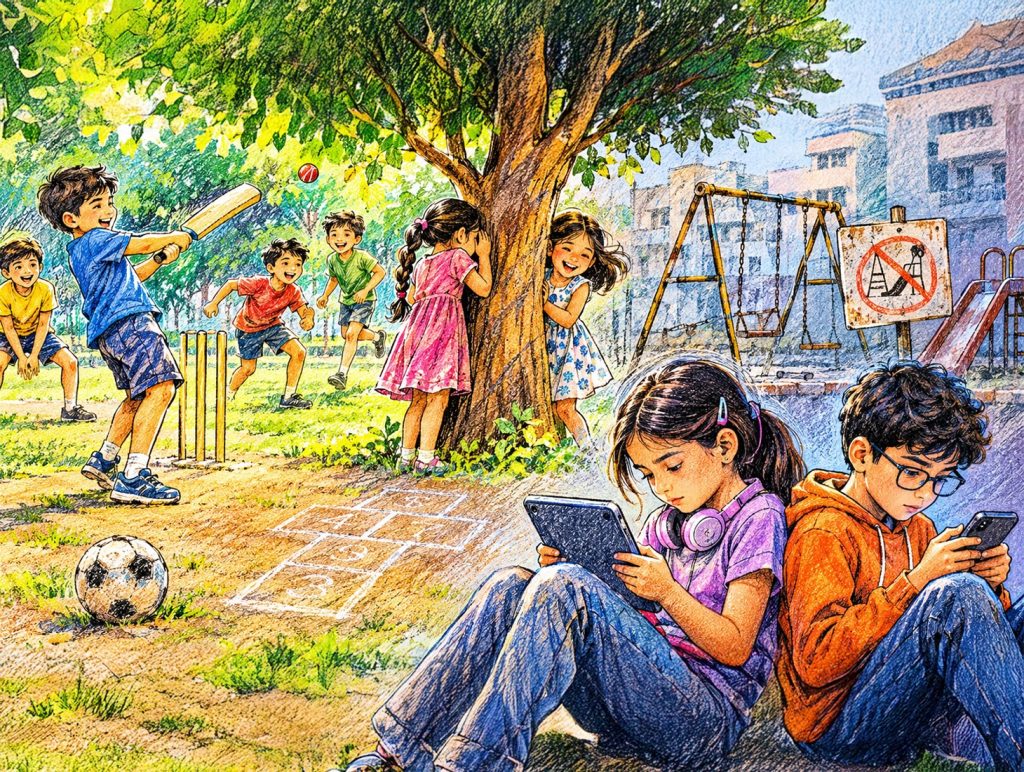
There was a time when the sound of children playing cricket in neighbourhood lanes, cycling…
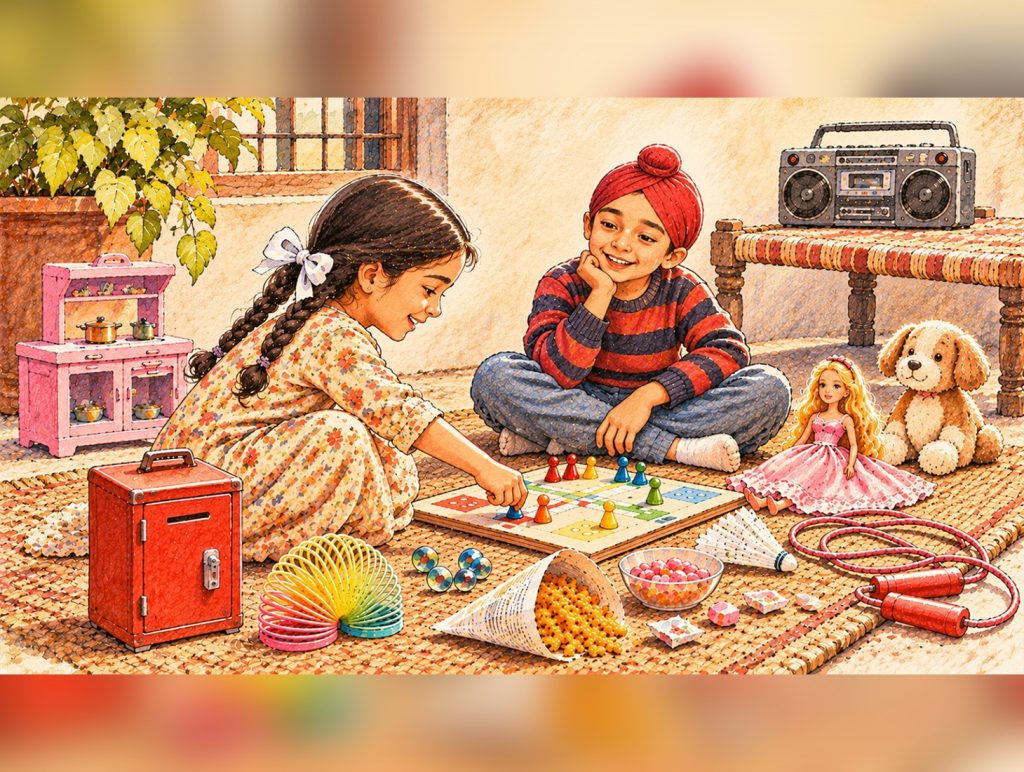
Give me a room full of toys, a packet of “Chatmola”, some “imli” candy and…
Sometimes, art begins with emotions that cannot easily be expressed in words. A canvas becomes…

Sometimes, all it takes is one message to make someone’s day. A friend checking in…