








 The North News
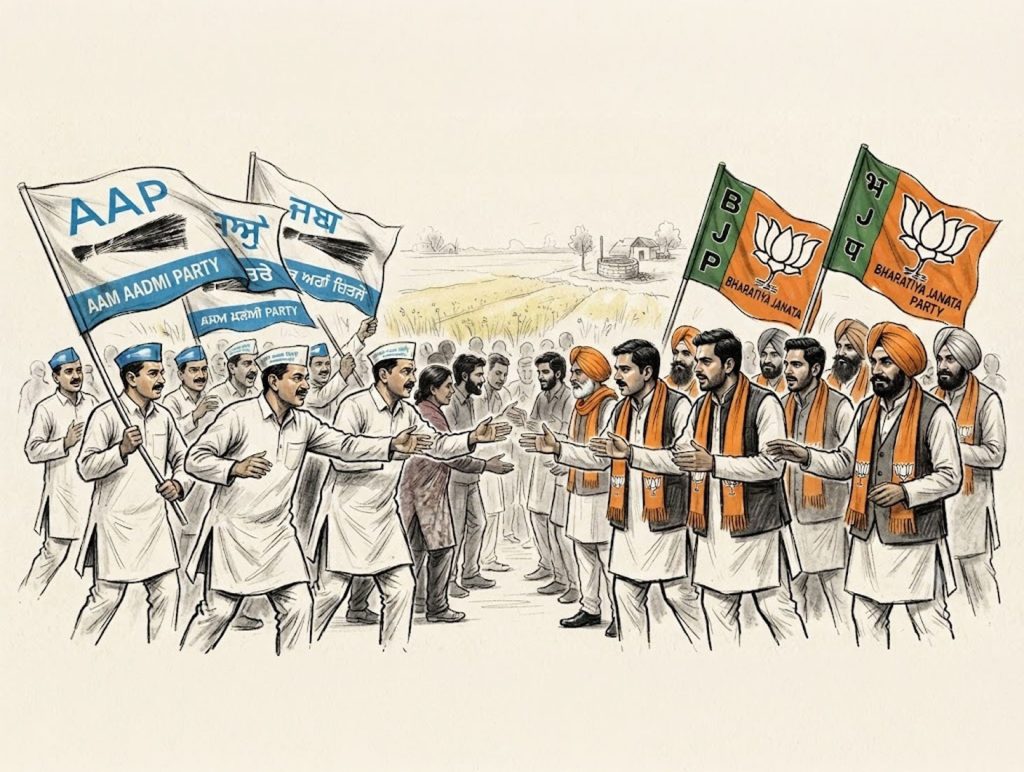

Punjab’s 2027 Assembly election is already beginning to look like a political spectacle, with the state’s traditional political equations undergoing a visible change.
The Aam Aadmi Party (AAP), which formed the government in 2022 riding on an anti-Centre mood and strong support from rural Punjab, where the Sikh population is substantial, now appears to be reaching out to a different constituency.
AAP was accused by its opponents of taking help from Khalistan sympathisers during the 2022 election, a charge that has remained part of the political discourse around the party.
The political scene appears different as the 2027 election approaches.
AAP is now making visible efforts to reach Hindu voters through outreach programmes, including Shivratri events and the staging of the theatre play Hamare Ram, featuring Bollywood actors including Ashutosh Rana.
The BJP, meanwhile, appears to be moving in the opposite direction.
Traditionally seen as a Hindu-majority party and, in Punjab, the second player or, as some would describe it, the “younger brother party”, the BJP is now aggressively reaching out to Sikh voters.
The induction of hundreds of Sikh politicians has been a significant development for the party, particularly as its focus increasingly appears to be on rural Punjab. Reports of the BJP losing support among its old cadre, however, would represent a serious development for a party attempting to expand its political base.
There is an interesting contradiction here.
Both AAP and BJP appear to be moving beyond the constituencies that traditionally formed the core of their political support. In doing so, both are taking a risk, the risk of ignoring, or potentially annoying, the voters who trusted them for precisely those political identities and positions.
Punjab 2027, therefore, is difficult to read through the political calculations of the past.
Even Amit Shah, often described as the Chanakya of Indian politics, has said that predicting the outcome of the Punjab election is difficult.
As the election approaches, the goalposts are shifting. New faces will appear. New promises will be made. And voters will be presented with political possibilities that may have seemed unlikely only few years ago.
In a few months, the results will reveal whether the BJP has succeeded in adding rural Sikh voters to its political base, or whether AAP has managed to convince Hindu voters that it can emerge as an alternative to the BJP.
Congress, meanwhile, is busy putting its house in order.
Raja or Channi, Bhattal or Bajwa, or perhaps Captain Sandeep Sandhu, could become part of the party’s response to the emerging Sikh-Hindu political equation. BJP and AAP have, in their own ways, already begun positioning themselves. That leaves Congress with a clear political choice about where it wants to stand.
The Akali leadership’s occasional softening towards the BJP also raises questions. At times, it suggests that some understanding could be taking shape, to be announced when the political moment is considered right.
For all these reasons, Punjab 2027 is not simply another Assembly election.
It is shaping up to be a case study in what happens when political parties move beyond their traditional voter bases, change their political pitch and attempt to redraw the loyalties that once appeared firmly established.
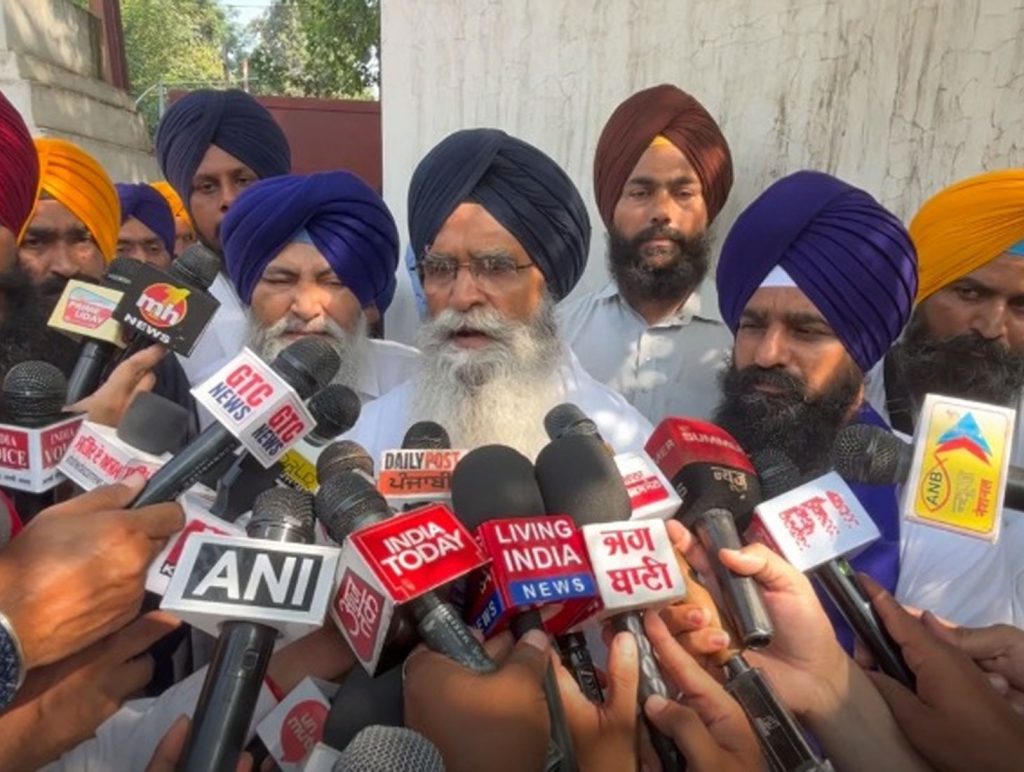
Akal Takht acting Jathedar says 11-member panel will hold fresh talks with Centre Patiala, September…
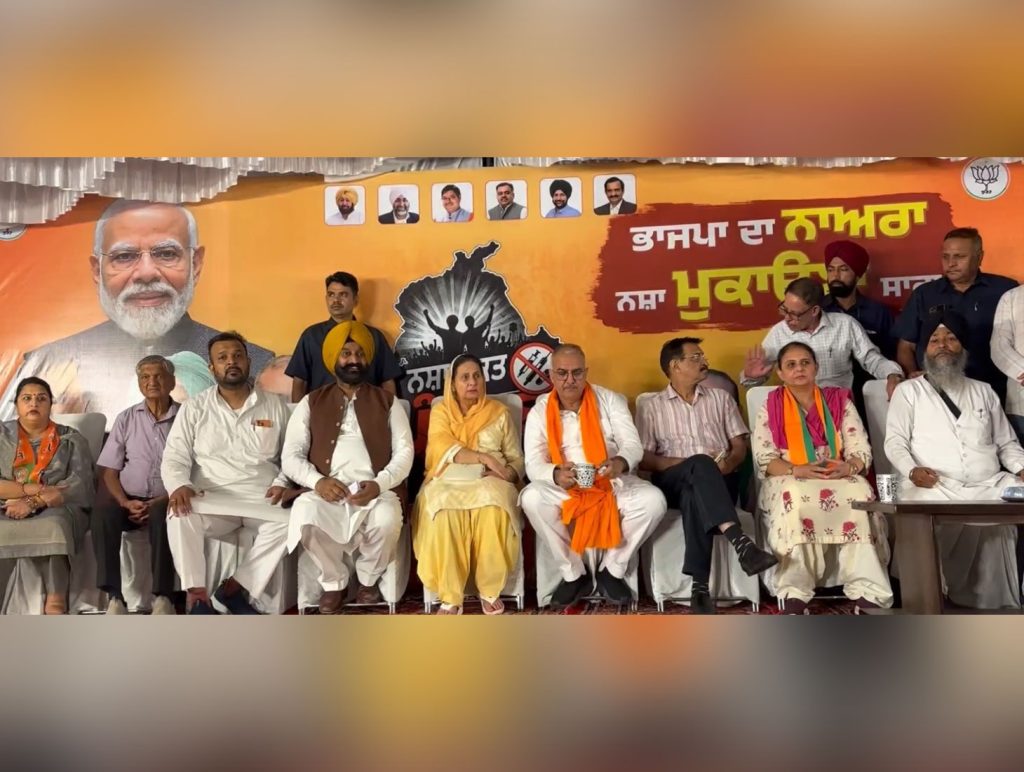
BJP National General Secretary speaks during Nasha Mukt Yatra in Patiala Patiala, September 29 BJP…
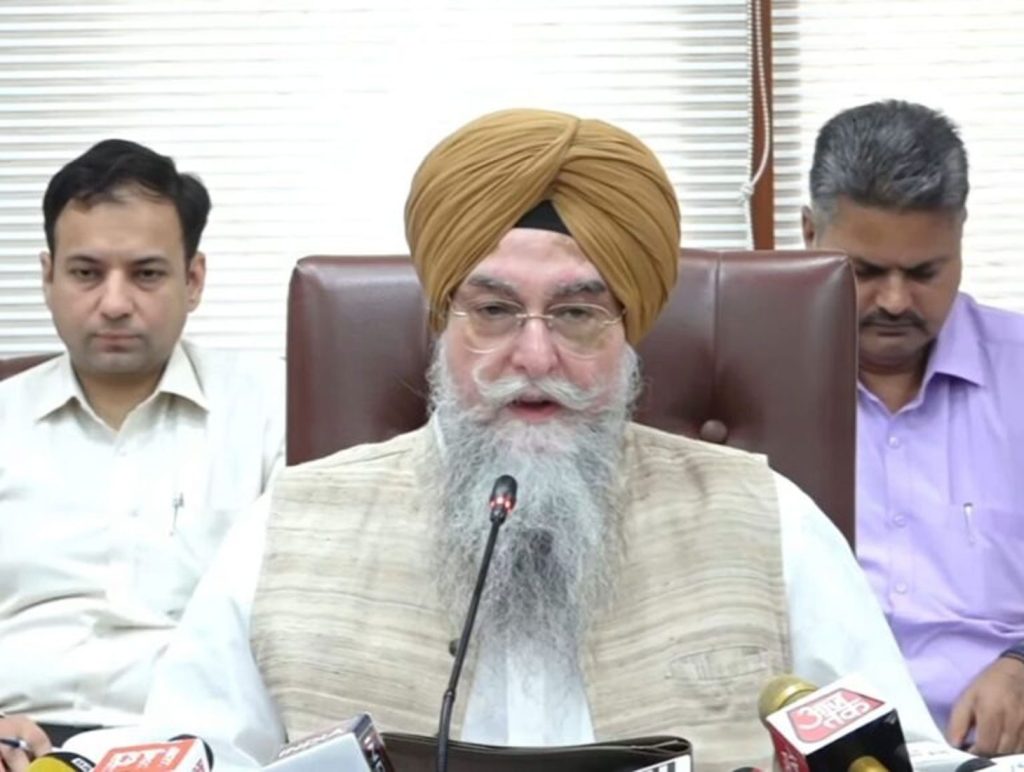
Chandigarh, September 28 Punjab Vidhan Sabha Speaker Kultar Singh Sandhwan paid tribute to revolutionary freedom…
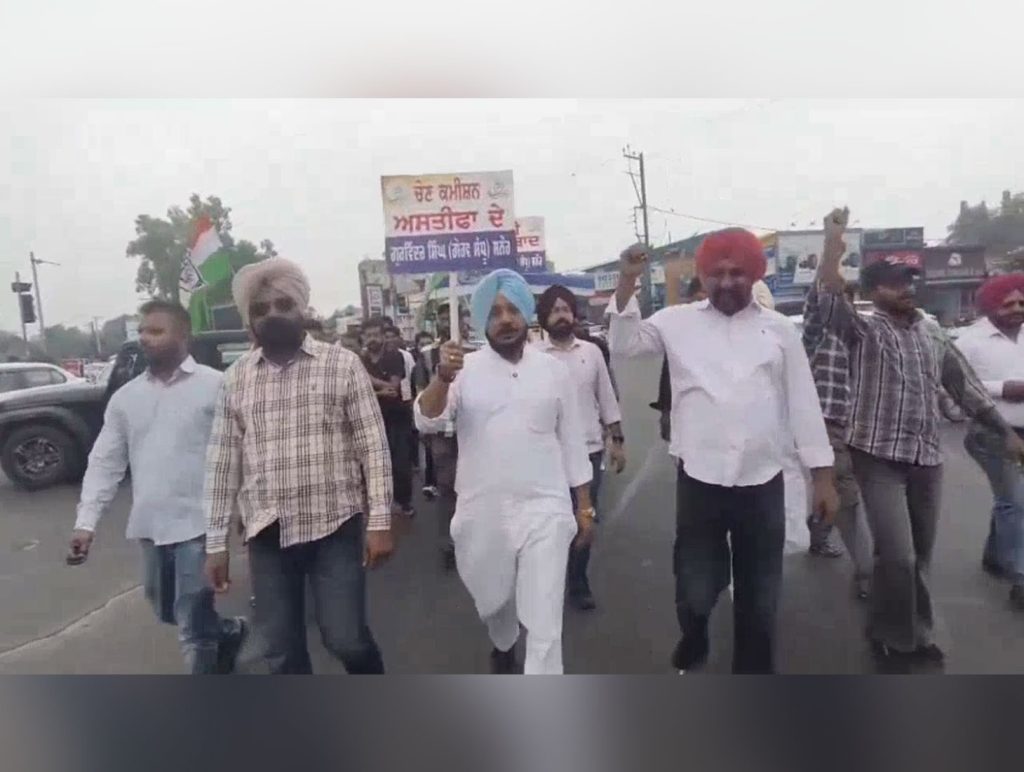
Protest held at Patiala’s Phuhara Chowk as part of statewide demonstrations against alleged irregularities during…