Spread the news
New Delhi, July 1
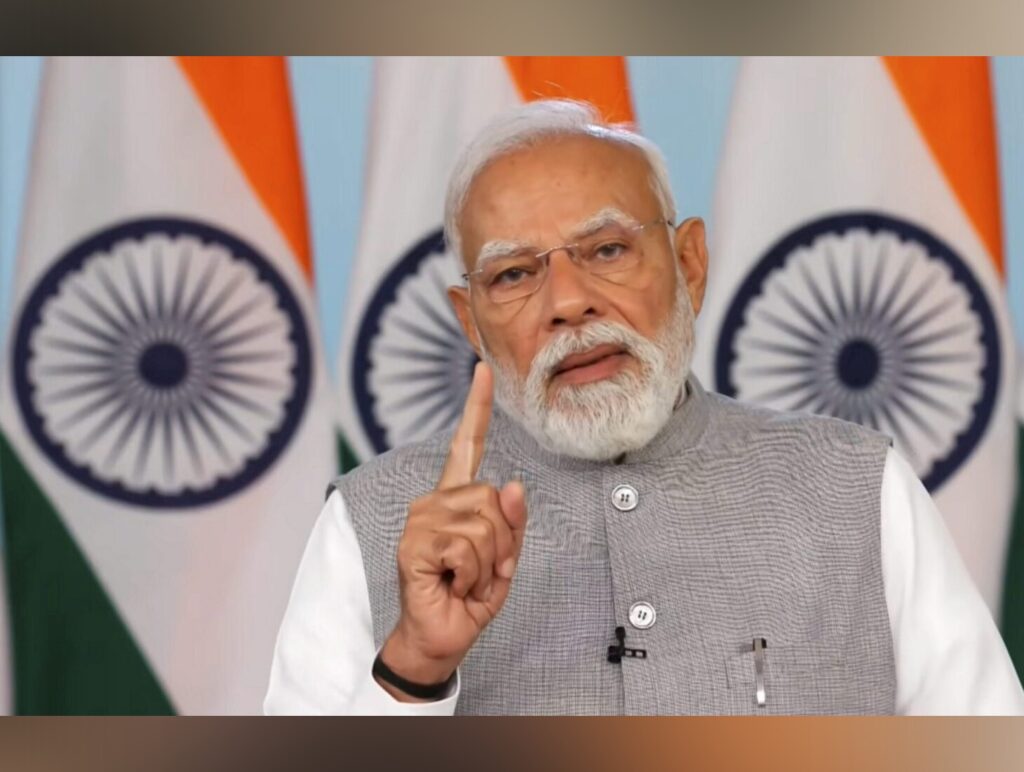
Prime Minister Narendra Modi spoke to Iranian President Masoud Pezeshkian on Tuesday and discussed the latest developments in West Asia and ongoing diplomatic efforts aimed at easing regional tensions.
According to the Prime Minister’s Office (PMO), President Pezeshkian briefed Modi on recent events in the region and outlined the next steps in the peace process.
During the conversation over the telephione, Modi welcomed the progress made through negotiations and reaffirmed India’s longstanding position that disputes should be resolved through dialogue and diplomacy. The prime minister also stressed the importance of maintaining peace and stability across the region, while highlighting the need to safeguard freedom of navigation and international commerce through the Strait of Hormuz — one of the world’s busiest and most strategically important shipping routes.
Prime Minister welcomed the progress in negotiations and expressed hope that continued diplomatic efforts would help secure lasting peace. Modi reiterated the importance of keeping the Strait of Hormuz open for global trade and energy supplies.
The conversation comes ahead of burial ceremonies for Iran’s late Supreme Leader, Ayatollah Ali Khamenei, scheduled to take place from 5 to 9 July. President Pezeshkian has invited Modi to attend the ceremonies.
According to media reports, India is expected to be represented by Bihar Governor Ata Hasnain and Minister of State for External Affairs Pabitra Margherita. The developments follow a memorandum of understanding signed by the United States and Iran on June 18 aimed at reducing tensions in West Asia and advancing negotiations on regional security issues.The agreement has contributed to the reopening of the Strait of Hormuz, through which around one-fifth of the world’s energy supplies normally pass. Shipping in the waterway had been severely disrupted after military escalation involving the US, Israel and Iran earlier this year, affecting global energy markets and raising concerns over supply chains.








 The North News