







 The North News
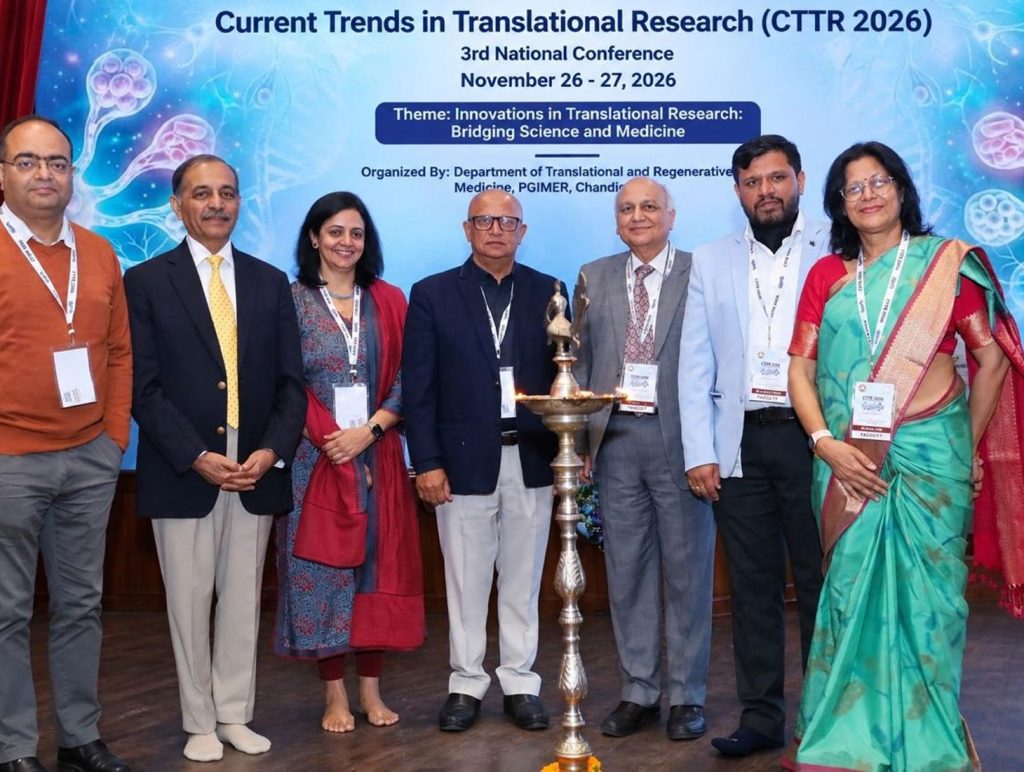
Advanced cell and gene therapies for cancer, diabetes, vision-threatening disorders and transplantation-related complications took centre stage at the two-day CTTR 2026 conference, which concluded at the Postgraduate Institute of Medical Education and Research (PGIMER), Chandigarh, on Friday.
Organised by the Department of Translational and Regenerative Medicine on November 26 and 27, the conference focused on the theme Innovations in Translational Research: Bridging Science and Medicine, bringing together researchers, clinicians and experts from India and abroad to discuss ways of translating laboratory research into patient treatments.
Chief Guest Lt Gen (Dr) Velu Nair, President-Elect of the National Academy of Medical Sciences, India, called on PGIMER to take a leading role in developing cell and gene therapies. He emphasised the need for institutional support to establish a current Good Manufacturing Practice (cGMP) facility to enable the production of advanced therapeutic products under stringent quality and safety standards.
He also stressed collaboration among clinicians, scientists and industry to convert promising research into clinical applications.
Guest of Honour Professor Subhash Chander Varma, Director of Internal Medicine and Haematology at Fortis Hospital, Mohali, and former Dean of PGIMER, highlighted the importance of basic science in developing effective treatments, describing it as the foundation of progress from laboratory research to patient care.
Cancer treatment featured prominently during the scientific sessions. Dr Gaurav Narula’s keynote address, along with presentations by Dr Amit Awasthi, Dr Dinesh Kundu and Dr Sivaprakash Ramalingam, covered immune-cell therapies, indigenous CAR-T cell development and challenges in treating solid tumours.
The discussions also examined the potential of CAR-T therapy, which involves modifying a patient’s immune cells to recognise and attack cancer cells, and the ongoing research required to expand its application beyond selected blood cancers.
Other sessions explored the use of mesenchymal stromal cells in treating Crohn’s disease-related fistulas and critically reduced blood supply to limbs. Dr Pawan Gupta discussed these applications, while Dr Anupam Kumar examined approaches to restoring immune function in acute-on-chronic liver failure.
Professor Fermín Sánchez-Guijo discussed the potential role of these cells in treating graft-versus-host disease, a serious complication in which donor immune cells attack the recipient’s tissues following transplantation.
Diabetes and eye disorders were also among the key areas of discussion. Dr Balamurugan N. Appakalai presented developments in pancreatic islet transplantation and insulin-producing beta-cell research, while Dr Arkasubhra Ghosh and Dr Indumathi Mariappan discussed gene-based and emerging treatments for eye disorders, including inherited retinal diseases.
Sessions led by Dr Pankaj Seth, Dr Rajarshi and Dr Prasanna examined induced pluripotent stem cells and organoids, laboratory-grown models of human tissues that can help researchers understand diseases and assess potential treatments.
Researchers also discussed extracellular vesicles, tiny particles released by cells, and their possible therapeutic applications. A panel discussion examined the potential of cells, secretomes and vesicles as emerging treatment approaches.
The conference also addressed regulatory requirements, research ethics, preclinical testing and partnerships among academic institutions, hospitals and industry. Discussions highlighted the need for rigorous clinical evaluation, manufacturing standards and safety assessments before experimental therapies can reach patients.
The event was coordinated by Dr Reena Das, Dr Aruna Rakha, Dr Anupam Mittal and Dr Gaurav Sharma. Young-investigator talks and poster presentations also formed part of the programme, providing a platform for emerging researchers to present their work and exchange ideas.
Beyond irregular periods and fertility concerns, Polycystic Ovary Syndrome can affect a woman’s physical, metabolic…
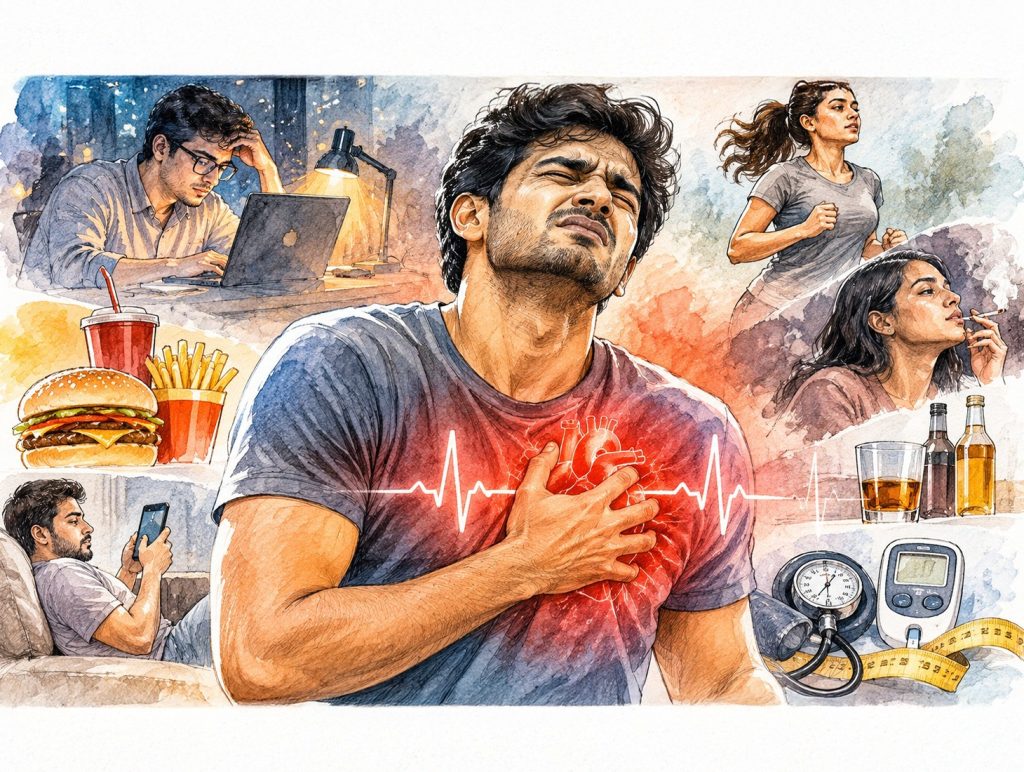
Once considered a disease of old age, heart attacks are increasingly affecting people in their…

With an aim to steer Punjab’s youth away from drug abuse and promote fitness and…

It is a familiar winter scene. The alarm rings, the shoes come out, a jacket…