








 The North News
New Delhi, May 15
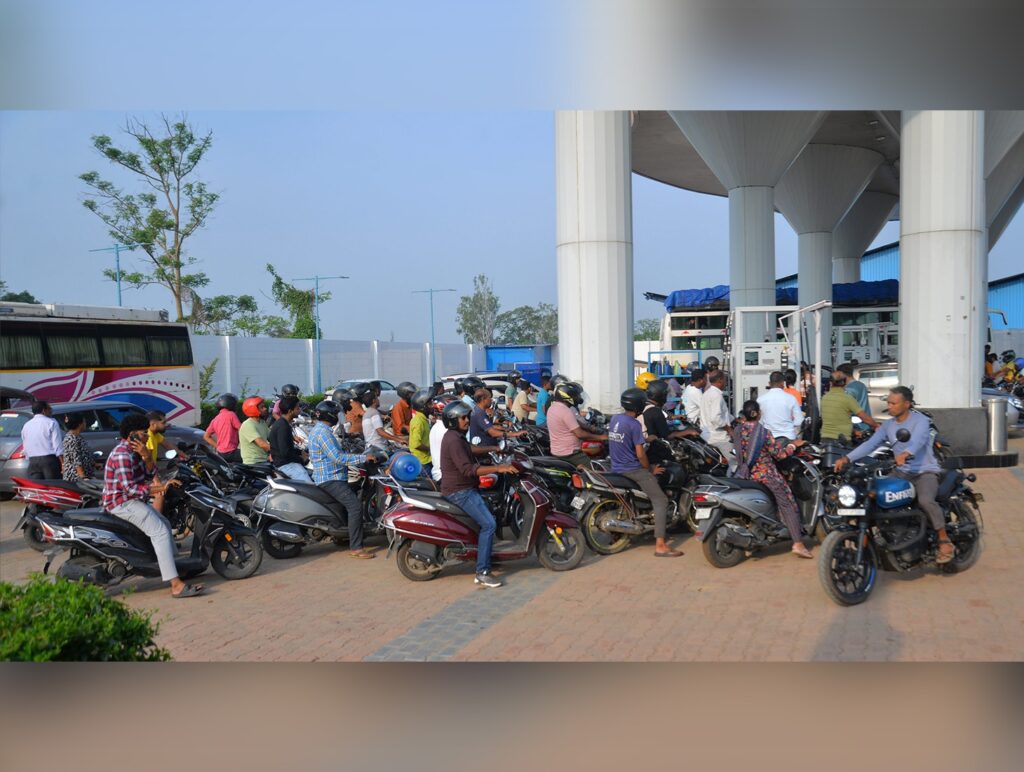
Petrol and diesel prices were increased by Rs 3 per litre on Friday, marking the first hike in more than four years as fuel retailers grappled with losses caused by rising global crude oil prices. The increase came 16 days after assembly elections in Assam, Kerala, Tamil Nadu and West Bengal concluded. Fuel rates had remained unchanged during the election period despite a sharp rise in international oil prices caused by the West Asia conflict.
In New Delhi, petrol prices rose to Rs 97.77 per litre from Rs 94.77, while diesel increased to Rs 90.67 from Rs 87.67.
Fuel prices had largely remained frozen since April 2022, apart from a Rs 2 per litre cut announced in March 2024 ahead of India’s general election.
The latest revision follows a surge in global crude oil prices after tensions escalated in West Asia. Oil prices crossed USD 120 per barrel at the height of the conflict after disruption in the Strait of Hormuz, a key global energy shipping route.
Although prices have eased slightly, crude has remained above USD 100 per barrel, increasing pressure on fuel retailers. According to industry estimates, state-run companies were losing Rs 14 per litre on petrol and Rs 42 per litre on diesel before Friday’s increase.
Oil Minister Hardeep Singh Puri recently said public sector fuel retailers were collectively losing around Rs 1,000 crore daily due to elevated international energy prices. Prices also rose across other major cities. In Mumbai, petrol now costs Rs 106.68 per litre and diesel Rs 93.14. Kolkata recorded petrol prices at Rs 108.74 and diesel at Rs 95.13, while Chennai saw rates rise to Rs 103.67 for petrol and Rs 95.25 for diesel.
Private retailers had already increased prices earlier this year. Nayara Energy and Shell both raised fuel rates in response to rising import costs.
Analysts say the government’s move appears aimed at reducing financial stress on oil companies while limiting the impact on inflation. However, economists warn that higher fuel prices could increase transport and logistics costs, adding pressure on consumer prices in the coming months.
India’s retail inflation rose to 3.48% in April, while wholesale inflation climbed to 8.3%, driven largely by higher fuel and energy costs.
Prime Minister Narendra Modi has urged citizens to reduce fuel consumption and rely more on public transport and remote working to help lower India’s oil import bill.

Devastating floods along the Nepal-Tibet border, reportedly killed 270 people so far, have once again…
Jabalpur, June 26 The Madhya Pradesh High Court on Thursday dismissed a defamation case against…
New Delhi, June 25 Prime Minister Narendra Modi on Thursday described the Emergency imposed in…
The Centre government has said that a passport has never been considered conclusive proof of…