







 The North News
By Manya Bhasin
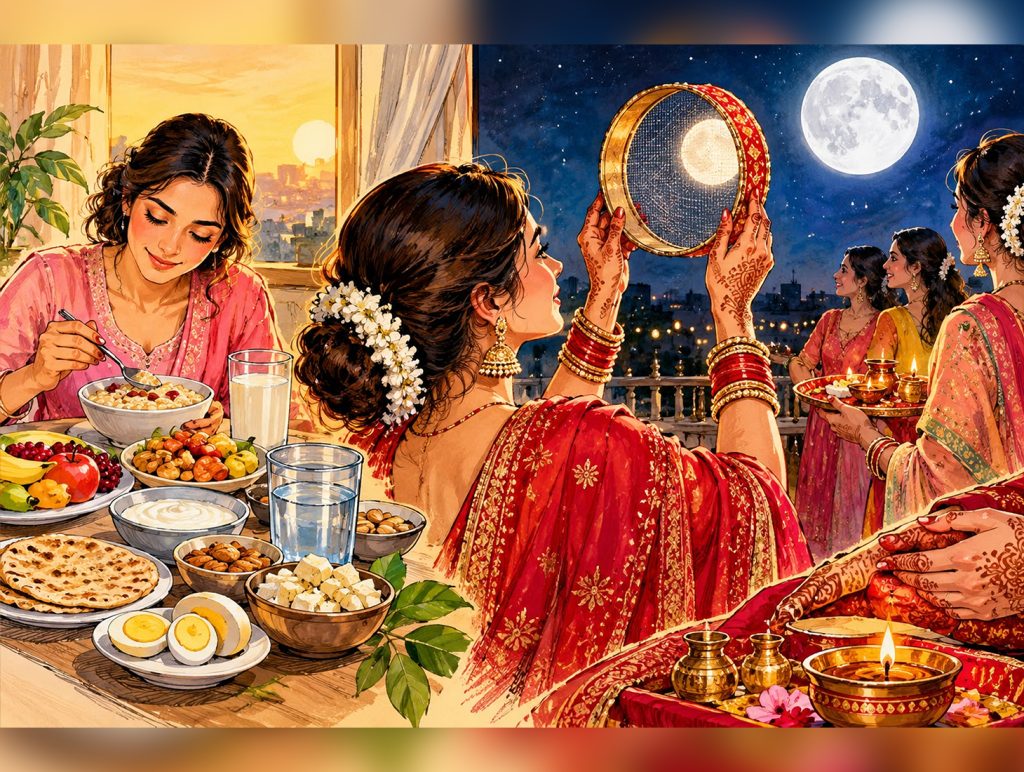
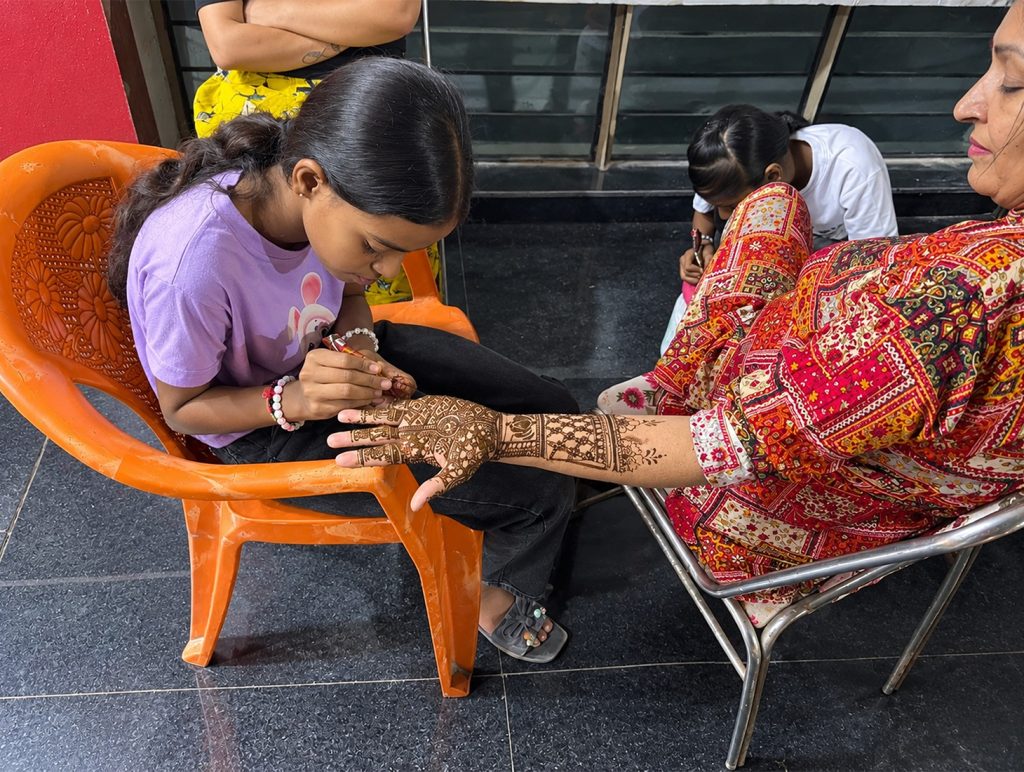
As the moon becomes the most awaited sight in the sky on Karwa Chauth, the festival unfolds as a beautiful blend of love, faith and tradition. Dressed in vibrant outfits, adorned with jewellery and intricate mehendi designs on their hands, women prepare to observe the fast from before sunrise until moonrise.
Yet, behind the festive glow lies a challenge that deserves attention: going an entire day without food or water.
While the nirjala vrat remains an integral part of the tradition for many women, adequate preparation before the fast is essential to help the body cope with long hours without nourishment or hydration.
Sargi: The Morning Meal That Matters
The pre-dawn Sargi is more than a ritual; it is an opportunity to nourish the body before the fast begins. Nutritionists generally recommend a balanced meal comprising complex carbohydrates, protein, healthy fats and fluids to provide sustained energy.
A nutritious Sargi can include whole-wheat roti, paneer, or curd for protein; fruits such as bananas, apples and papaya for vitamins and fibre; and a small portion of nuts and seeds for healthy fats. Oats, poha and other whole-grain options can also help provide lasting energy.
Hydration is equally important. Women can drink water gradually during the Sargi period and include milk, curd or water-rich fruits to support fluid intake. Very salty, excessively sugary and fried foods may increase thirst or cause discomfort later in the day.
Staying Hydrated Without Drinking Water
Once the fast begins, women observing a strict nirjala vrat abstain from both food and water. Since dehydration cannot be completely prevented without fluid intake, preparation beforehand becomes especially important.
Drinking excessive amounts of water at once is not advisable. Instead, consuming fluids steadily before the fast begins is a more sensible approach.
Women should also avoid strenuous exercise, limit prolonged exposure to heat and rest whenever possible. Symptoms such as dizziness, fainting, confusion, a racing heartbeat or severe weakness should never be ignored.
Health must take priority over ritual. Anyone feeling seriously unwell should break the fast and seek medical help.
Tradition with a Touch of Care
Karwa Chauth celebrates devotion, but caring for oneself is equally meaningful. A balanced Sargi, sensible hydration beforehand and awareness of warning signs can help women approach the festival more safely.
As families gather to watch the moon rise, the celebration can carry a simple yet important message: traditions are precious, and so is the health of the women who keep them alive.
(The writer is an intern with The North News.)
By Manya Bhasin For many women, Karwa Chauth preparations begin with outfits, jewellery and festive…

By Manya Bhasin The moon may be the most awaited sight on Karwa Chauth, but…

Chandigarh: Long before decorative lights transformed homes and markets into glittering displays during the…

By Manya Bhasin From catching a glimpse of the moon over FaceTime to having sargi…