








 The North News

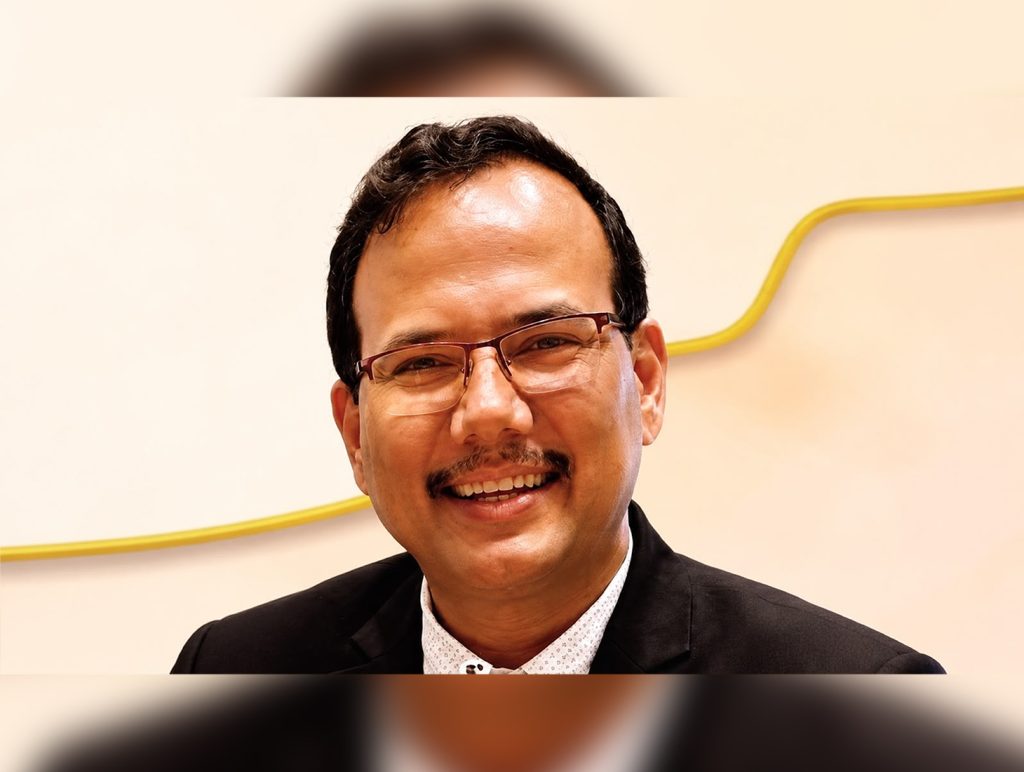
The global diabetes burden is projected to exceed 853 million (85.3 crore) by 2050, highlighting the growing challenge of the disease and the urgent need for preventive measures. Raising concerns over the increasing prevalence of diabetes, particularly among young adults, former head of the Department of Endocrinology at PGIMER Chandigarh and Director of Genie Health, Dr Anil Bhansali, emphasised the importance of early screening, weight management and sustainable lifestyle changes.
Speaking during a media interaction organised at the Chandigarh Press Club ahead of World Diabetes Day, Dr Bhansali said nearly 50 per cent of people living with diabetes remain unaware of their condition until they undergo screening. He stressed the need for regular testing, particularly among individuals with sedentary lifestyles and other risk factors.
Expressing concern over the growing number of Type-2 diabetes cases among people aged 20 to 30 years, he said lifestyle-related factors, including unhealthy dietary habits, physical inactivity and excess weight, were contributing to the rising burden. Unlike Type-1 diabetes, which is an autoimmune condition, Type-2 diabetes is strongly associated with metabolic and lifestyle factors.”We cannot change our genes, but we can control our diet, physical activity and weight,” he said. Sedentary lifestyle and poor nutrition are major risk factors.
Dr Bhansali identified poor nutrition and prolonged sitting as two major contributors to the growing incidence of diabetes. He observed that modern lifestyles have considerably reduced everyday physical activity, while unhealthy food choices often add excessive calories to daily diets. He cautioned against the misconception that diabetes affects only people who are overweight. Indians with a normal Body Mass Index (BMI) of 18 to 23 can also develop Type-2 diabetes, particularly because of abdominal fat accumulation. He said a waist circumference exceeding 90 cm could be an important indicator of metabolic risk and should not be overlooked.
Focus on food choices and nutrition labels.
Emphasising the need for greater awareness about food consumption, Dr Bhansali advocated mandatory nutritional labelling on packaged food products to help consumers make informed choices. He advised people to limit added sugars in all forms, including jaggery and honey, and avoid excessive consumption of sweets, carbonated beverages and products containing high-fructose ingredients.
He clarified that sweet fruits such as mangoes, bananas and grapes need not be eliminated from the diet but should be consumed in moderation. Whole fruits, he said, are preferable to fruit juices because their fibre content helps slow sugar absorption. Smoothies containing added sugar and full-fat milk may also contribute to higher calorie and sugar intake. Weight loss can help achieve diabetes remission
Highlighting the possibility of Type-2 diabetes remission, Dr Bhansali said overweight individuals, particularly those diagnosed in the early stages of the disease, could benefit from significant weight reduction, dietary modifications and regular physical activity.
He recommended reducing unhealthy fats and refined carbohydrates while increasing fibre intake. However, he cautioned against unnecessarily restrictive diets, pointing out that many patients stop consuming rice, potatoes and other foods altogether after being diagnosed with diabetes.
Instead, he advocated balanced and sustainable eating habits that patients could maintain over the long term. Dr Bhansali said he had been working in the field of diabetes remission for the past five years. He also discussed newer treatment approaches that could potentially reduce the frequency of insulin injections for certain patients. Referring to the possibility of reducing the number of injections from 365 to 52 annually through weekly insulin formulations, he indicated the potential of emerging therapies. However, such treatments are not suitable for every patient and their use depends on individual clinical requirements.
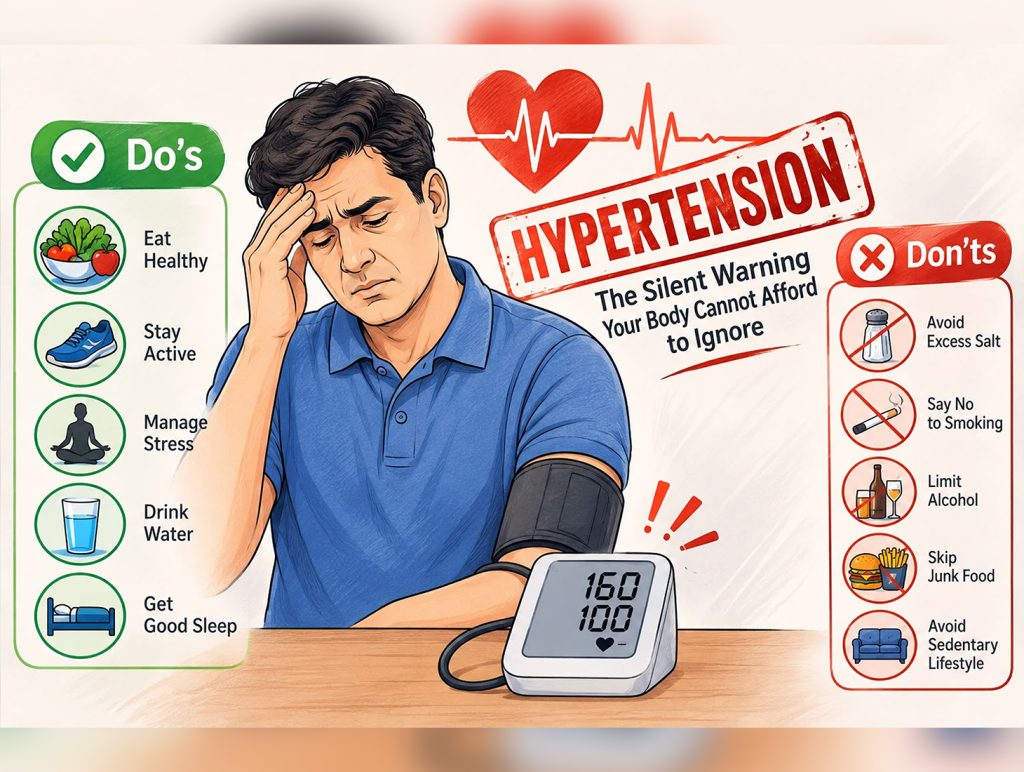
A simple blood pressure check can go a long way in preventing serious health complications.…
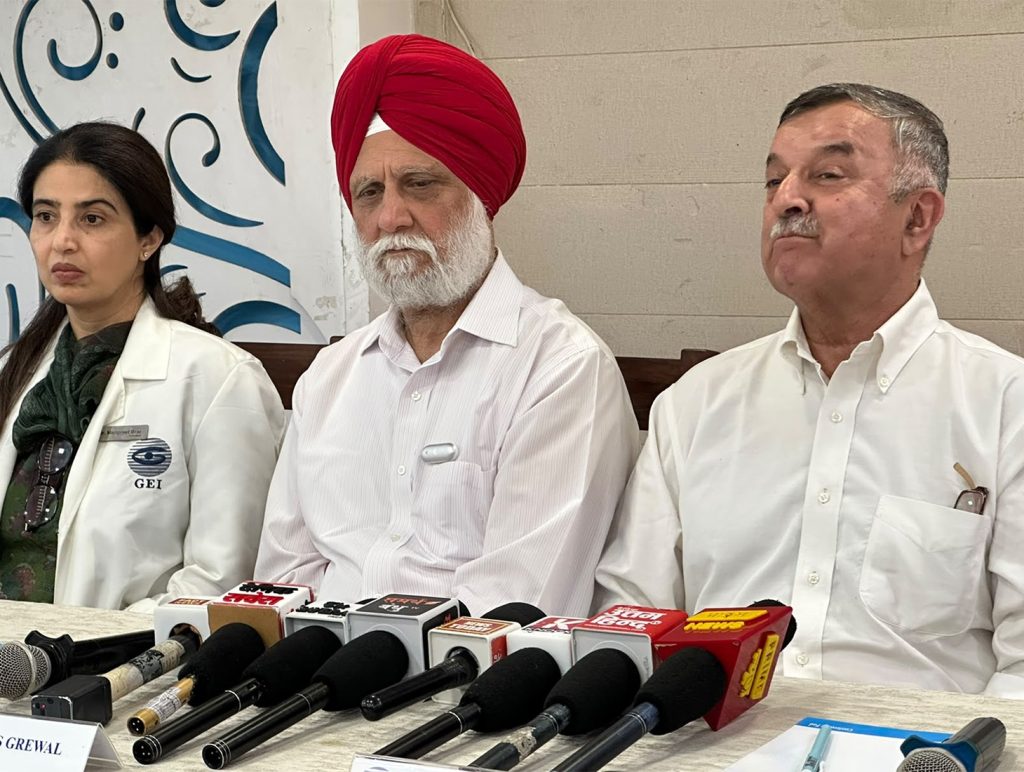
More than one crore people in India could be affected by diabetic retinopathy, a diabetes-related…

Around one lakh central government employees, retired officials, pensioners and their family members are expected…
In a surgical milestone, the Department of Urology at the Postgraduate Institute of Medical Education…