






 Manjari Verma
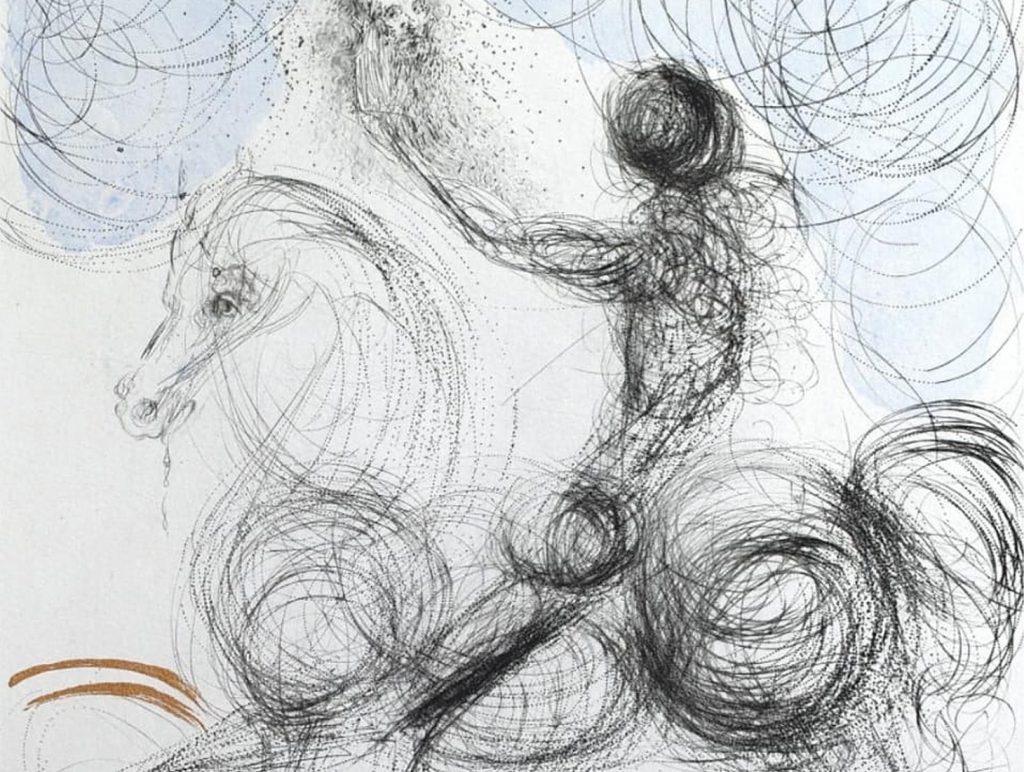
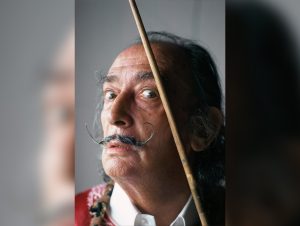
A peacock with a hundred eyes, a dream translated into an etching and an artist who could find extraordinary possibilities in an ordinary object. Salvador Dalí’s imagination rarely followed conventional paths. Decades after his most experimental years, his creations have arrived in Chandigarh, offering audiences a chance to explore the celebrated Surrealist beyond his iconic eccentric moustache.
“Dalí Dreams in Chandigarh”, inaugurated on Saturday, November 14, at 105arts Gallery in Sector 11, brings together original etchings, engravings, watercolours, gouaches and tapestries from the Pierre Argillet Collection. Running until November 30 (Monday), the exhibition is among only two Indian stops, alongside Mumbai.
The collection emerged from a three-decade relationship between Dalí and Pierre Argillet, a publisher, collaborator and confidant who shared the artist’s fascination with experimentation. Preserved by the Argillet family, these works now travel across continents, allowing new audiences to engage with his artistic legacy.

A friendship that shaped an artistic legacy
For Christine Argillet, international curator, gallerist and custodian of the collection, Dalí was not simply an artist whose work she inherited. She grew up watching him create, observing his spontaneity, unconventional methods and relentless curiosity.
“My father, Pierre Argillet, who was Dalí’s friend, collaborator, publisher and confidant, had a fascination for Dalí,” she recalled.
She described an artist who drew inspiration from mythology, literature, scientific developments and dreams. One anecdote captures his unconventional approach: Dalí once encountered a dead octopus, immersed it in acid and used it on a copper etching plate to create an artwork.
For Christine, his extraordinary diversity and universal appeal make him comparable to Leonardo da Vinci.
From mythology to the Indian imagination
Among the works that particularly resonate with curator-founder Mehak Bhan is “Argus”, featuring a peacock. In Greek mythology, Argus was a hundred-eyed guardian who could keep watch while sleeping. After his death, his eyes were placed on the peacock, making the bird a symbol of beauty and vigilance. For Indian audiences, the connection carries added significance as the peacock is the country’s national bird.
Bhan described bringing the collection to Chandigarh as a journey involving art, people and heritage. Coordinating with teams across the Middle East, Britain, France and the United States presented logistical challenges. The curatorial process also involved researching Dalí’s artistic series and literary influences and selecting wall colours to complement the artworks.
From Le Corbusier to Dalí, an artistic connection
Christine said Chandigarh’s modernist architecture, appreciation for design and growing community of collectors made it a natural setting for the exhibition. The city’s association with Le Corbusier adds another dimension to the encounter.
Dalí also maintained connections with India. In the 1960s, he designed an ashtray for Air India and reportedly requested a baby elephant as payment. His interest in Eastern spirituality was reflected in the “Hippies” series, comprising 11 etchings inspired by the Western counterculture’s engagement with the East.
Learning to understand the surreal
Art historian, curator and author Dr Alka Pande said Dalí’s distorted imagery initially seemed difficult to understand. Growing up in India, she explained, often meant becoming familiar with classical beauty and representations of gods and goddesses. His visual language demanded a different approach.
Comparing Dalí with MF Husain, Pande described both as extraordinary personalities who understood performance and artistic identity.
With original Dalí etchings available from approximately Rs 10 lakh, the exhibition also opens conversations about collecting, authenticity and provenance. Pande recalled purchasing an original etching in the 1990s for Rs 3,000, now valued at more than Rs 12 lakh.
However, both Pande and Christine cautioned against viewing art solely as an investment. For Christine, preserving her father’s legacy also means allowing the collection to be experienced rather than confined to private spaces.
As Dalí’s creations find new audiences in Chandigarh, the exhibition invites visitors to question familiar boundaries and discover how an artist’s imagination can travel across generations.
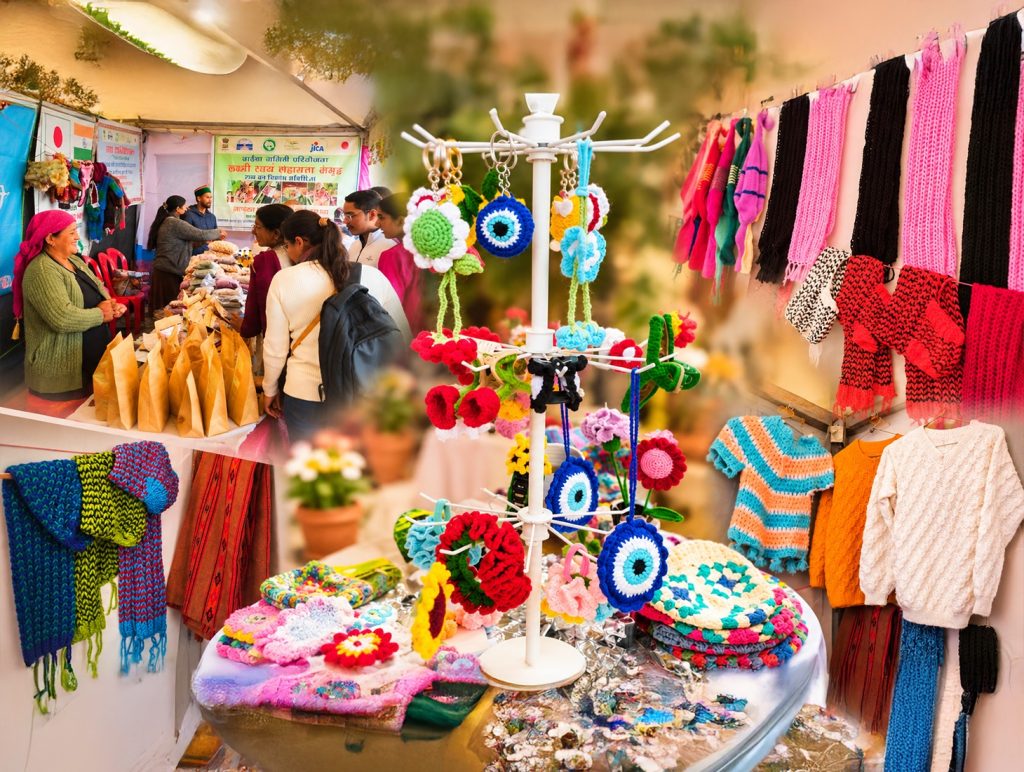
At the International Lavi Fair, traditional woollen craft shares space with an unusual range of…
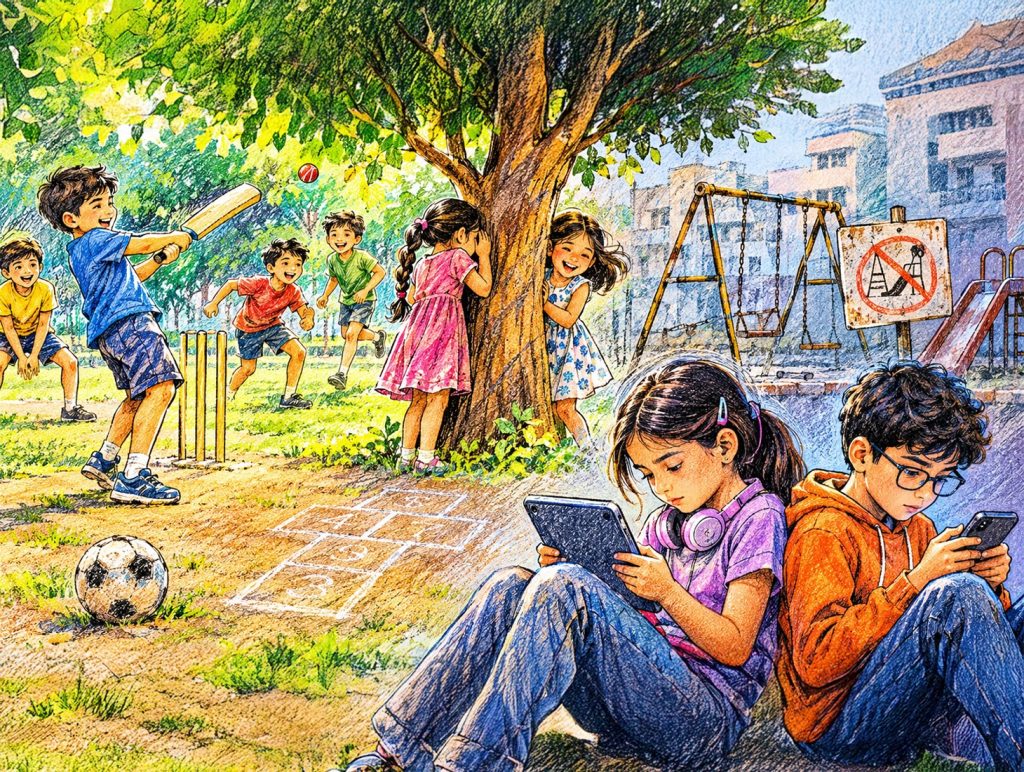
There was a time when the sound of children playing cricket in neighbourhood lanes, cycling…
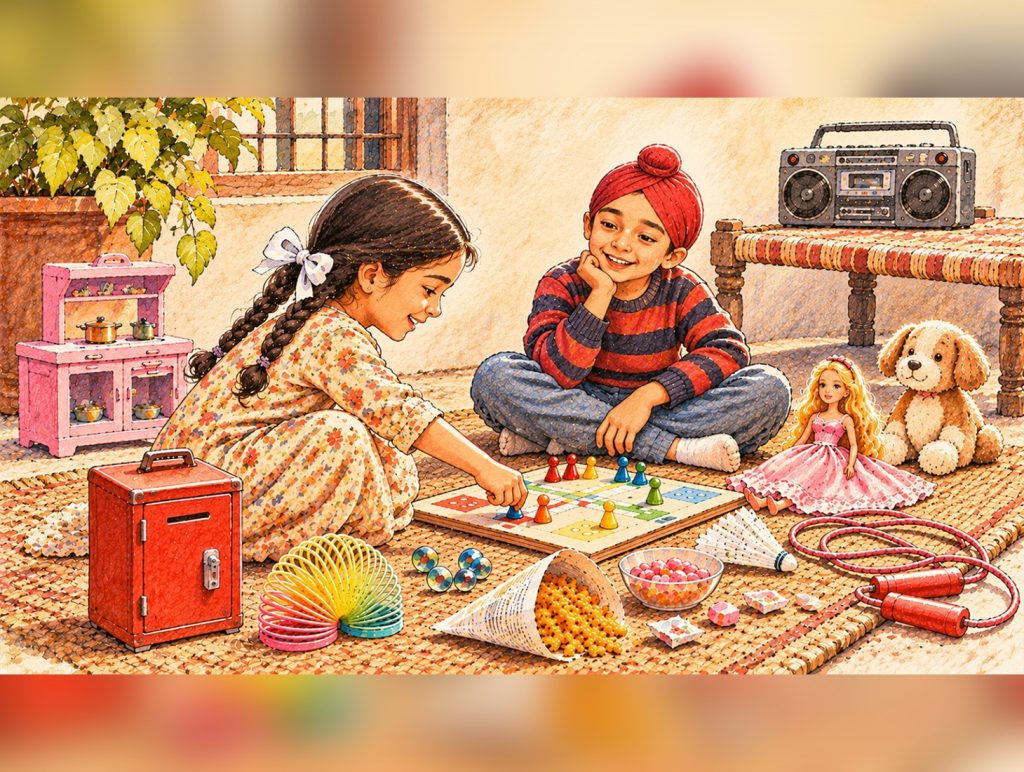
Give me a room full of toys, a packet of “Chatmola”, some “imli” candy and…
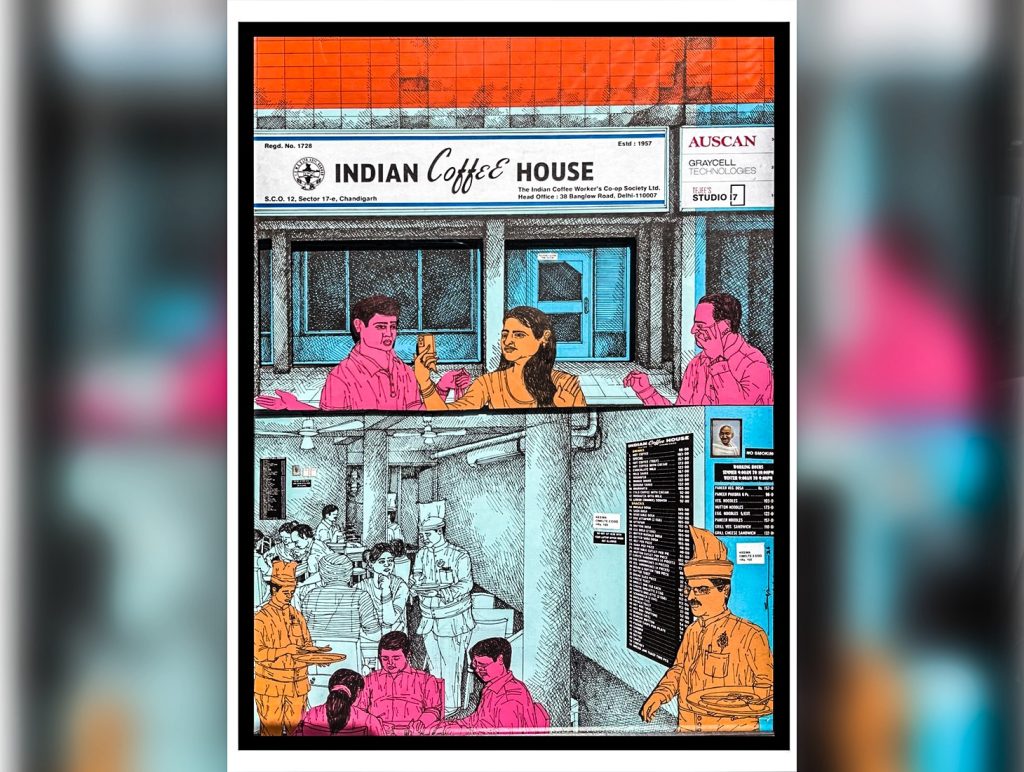
Sometimes, art begins with emotions that cannot easily be expressed in words. A canvas becomes…