








 The North News
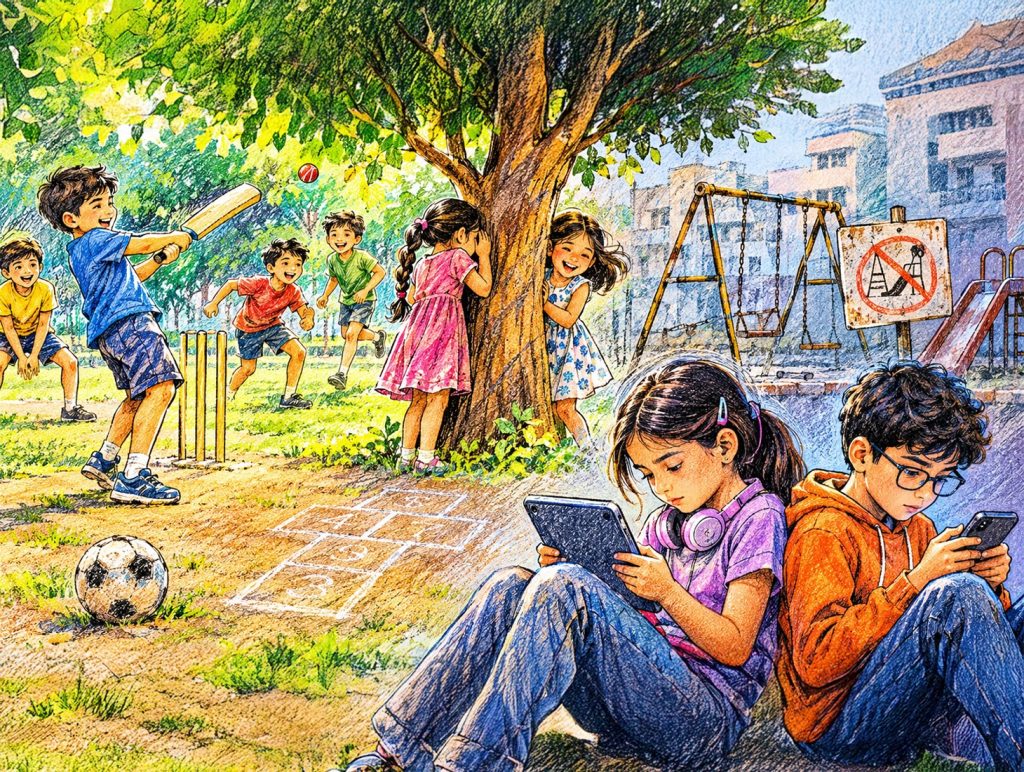
There was a time when the sound of children playing cricket in neighbourhood lanes, cycling through parks and shouting during a game of hide-and-seek was part of everyday life. Scraped knees, muddy shoes, arguments over who won and the excitement of being called home at dusk were all familiar parts of growing up.
Today, that picture is gradually fading. Mobile screens are increasingly replacing playgrounds, online gaming is taking the place of outdoor adventures, and the spontaneous joy of playing with neighbourhood friends is becoming a rarity.
This Children’s Day, the question is not just where the playgrounds have gone, but also what children are missing as they increasingly trade outdoor play for screen time.
Deepali Handa, a psychologist and teacher at St Soldier School in Sector 16 Panchkula, observes a significant shift in the way children spend their leisure time. She says that earlier, evening play was an unstructured yet essential part of childhood, with children gathering outdoors after school and returning home only at dusk. Today, screen time, tuition classes, coaching and structured indoor activities have increasingly replaced that routine.
The disappearance of traditional neighbourhood games is another visible sign of this transformation. Games such as Pitthu, Kho-Kho, Kabaddi, Chhupan-Chhupai, Gilli-Danda, Kanche, Stapoo and street cricket were once common across Indian neighbourhoods. However, Handa says these spontaneous, zero-equipment games are now rarely seen in urban and semi-urban areas.
While organised sports continue in schools and private academies, the freedom to step outside, gather friends and invent a game on the spot is gradually disappearing.
More than just a game
Outdoor play is about much more than keeping children physically active. It contributes significantly to their physical, cognitive, social and emotional development. According to Deepali, outdoor activities help children develop gross motor skills, cardiovascular endurance, coordination and spatial awareness. Unstructured games also encourage imaginative thinking, problem-solving and adaptability.
Equally important are the social lessons learnt on playgrounds. Negotiating rules, working in teams, accepting defeat, resolving disagreements and developing empathy are experiences that help shape a child’s personality.
An argument over a cricket decision, learning to wait for one’s turn or accepting defeat may seem like ordinary childhood moments, but these experiences teach children patience, cooperation and resilience. She believes that children today are missing some of the autonomy and freedom enjoyed by earlier generations. Heightened academic pressure, constant parental monitoring and tightly scheduled routines leave little room for boredom, spontaneity and independent exploration.
When cities leave little room to play
The changing urban landscape has further complicated the situation. Rapid urbanisation, expanding residential complexes, increasing traffic and the conversion of vacant plots into commercial spaces have steadily reduced accessible play areas. For many parents, safety is another concern. Busy roads, traffic congestion and limited pedestrian infrastructure make independent outdoor play difficult, pushing children towards indoor entertainment.
The lack of accessible open spaces also raises concerns about children’s emotional well-being. She points out that playgrounds provide opportunities to manage stress, develop resilience and build self-confidence. Without these experiences, children may have fewer opportunities to practise independent decision-making and emotional regulation.
The problem, therefore, is not simply that children are spending more time on screens. It is also that the spaces where they could run, explore and play freely are becoming increasingly difficult to access.
Can childhood find its way back outdoors?
Bringing outdoor play back requires a collective effort. Schools can introduce regular outdoor activities and revive traditional games, while parents can encourage children to spend more time outside without turning every activity into another scheduled task. Urban planners and local authorities, too, have a responsibility to prioritise accessible parks, safe playgrounds, open community spaces and pedestrian-friendly neighbourhoods.
Technology is here to stay, and digital platforms have become an integral part of modern childhood. But screens should complement childhood, not replace the experiences that make it memorable. This Children’s Day, perhaps the biggest reminder is that children need more than classrooms, coaching centres and mobile phones. They need spaces to run, friendships to build, games to invent, disagreements to settle and, occasionally, a few scraped knees. Because childhood should not be remembered only through photographs and digital memories. It should be lived, experienced and discovered outdoors, one game at a time.
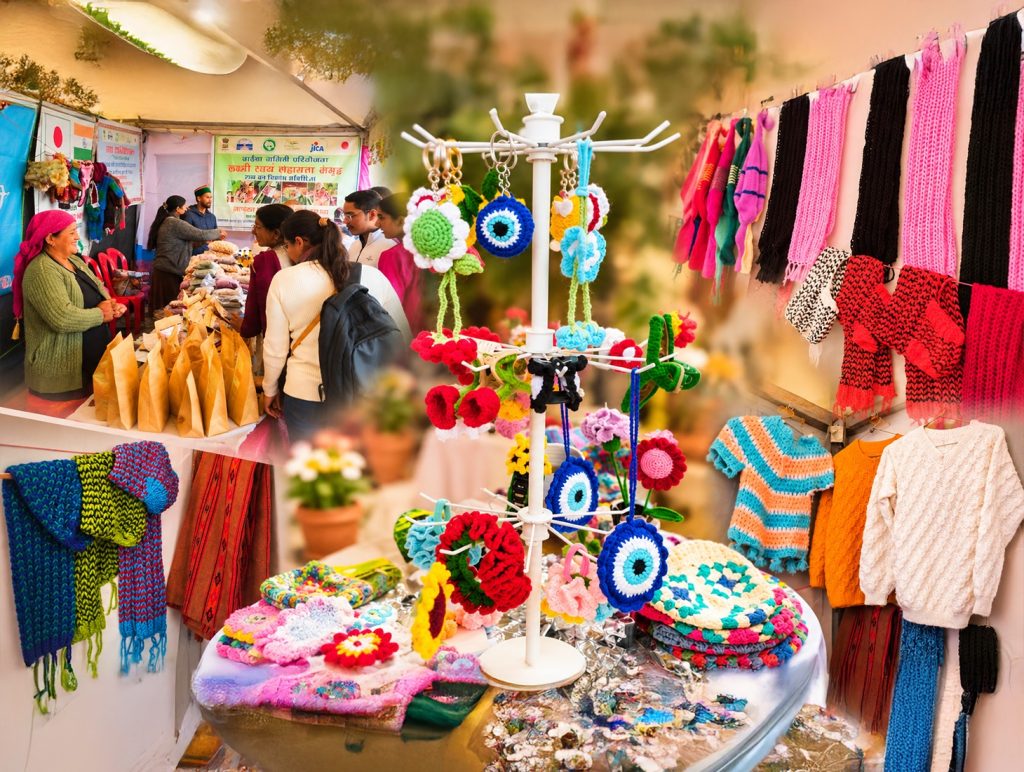
At the International Lavi Fair, traditional woollen craft shares space with an unusual range of…
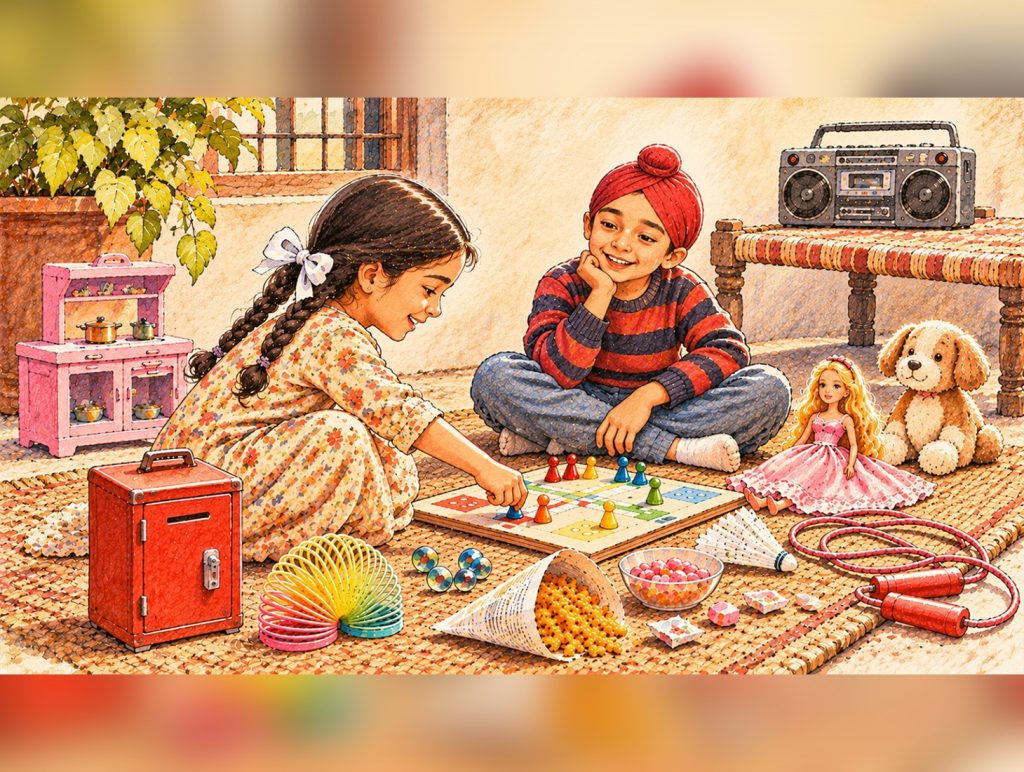
Give me a room full of toys, a packet of “Chatmola”, some “imli” candy and…
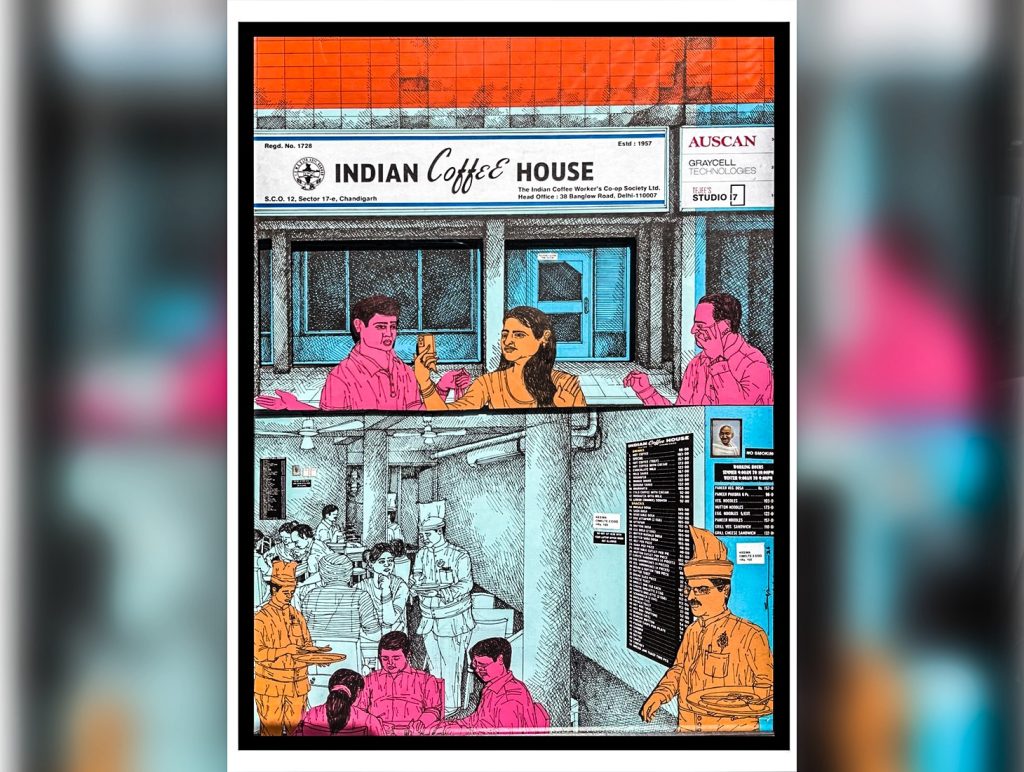
Sometimes, art begins with emotions that cannot easily be expressed in words. A canvas becomes…

Sometimes, all it takes is one message to make someone’s day. A friend checking in…