








 The North News
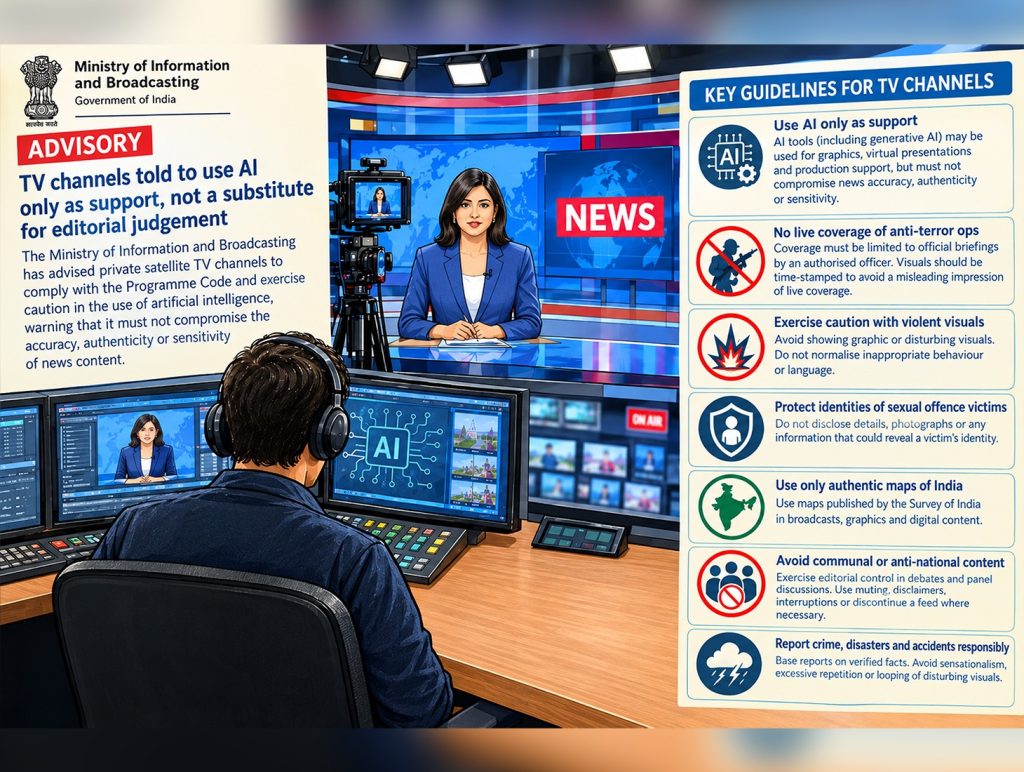
The Ministry of Information and Broadcasting has asked private satellite TV channels to strengthen editorial oversight, warning that the use of artificial intelligence must not compromise the accuracy, authenticity or sensitivity of news content.
The advisory issued on October 21 calls on broadcasters to strictly comply with the Programme Code under the Cable Television Networks (Regulation) Act, 1995, and the Cable Television Networks Rules, 1994. The ministry has flagged instances of non-compliance and urged channels to follow the rules in both letter and spirit.
On the use of artificial intelligence, the ministry said broadcasters should exercise due caution when using AI tools, including generative AI, in programmes such as graphics and virtual news presentations. Their use may be limited to an assistive capacity, provided it does not compromise the accuracy, authenticity or sensitivity of news content and remains consistent with the Programme Code.
The advisory also highlights concerns over similar news visuals being broadcast by multiple channels on the same topics. It calls for stronger editorial control and says inappropriate behaviour or language should not be normalised in television broadcasts.
Under Rule 6(1)(p), the live coverage of anti-terror operations by security forces is prohibited. Media coverage during such operations must be restricted to periodic briefings by an authorised officer until the operation concludes. Visuals should be time stamped wherever necessary to avoid creating a misleading impression of live coverage.
Broadcasters have also been asked to exercise caution when showing violent, graphic or disturbing visuals to avoid offending good taste and decency or causing unnecessary distress to viewers.
The ministry has directed channels to base reports of crime and violence on verified facts and present them in a balanced and responsible manner. Sensational reporting that glorifies or normalises unlawful or socially undesirable behaviour should be avoided.
Broadcasters have been advised against excessive repetition or looping of disturbing visuals. Blurring or masking should be used wherever necessary particularly in coverage involving women and children.
Coverage of natural calamities, disasters and major accidents should also be based on verified information. Visuals must be time-stamped wherever necessary to prevent misleading impressions and avoid unnecessary panic among viewers.
The advisory directs private satellite TV channels to use only authentic maps of India published by the Survey of India in broadcasts, graphics and digital representations.
It also stresses that television programmes, including live debates and panel discussions, must not promote communal or anti-national attitudes. Broadcasters have been asked to exercise editorial control through careful selection and pre-sensitisation of panellists and participants.
Where necessary, channels should use measures such as muting, disclaimers, interruptions or discontinuing a feed to prevent derogatory, abusive or inflammatory content.
The ministry has reiterated that channels must protect the identities of victims of sexual offences in accordance with Supreme Court directions and applicable laws. Broadcasters should not disclose direct or indirect identifying details including photographs, family information, locality or other particulars that could reveal a victim’s identity.
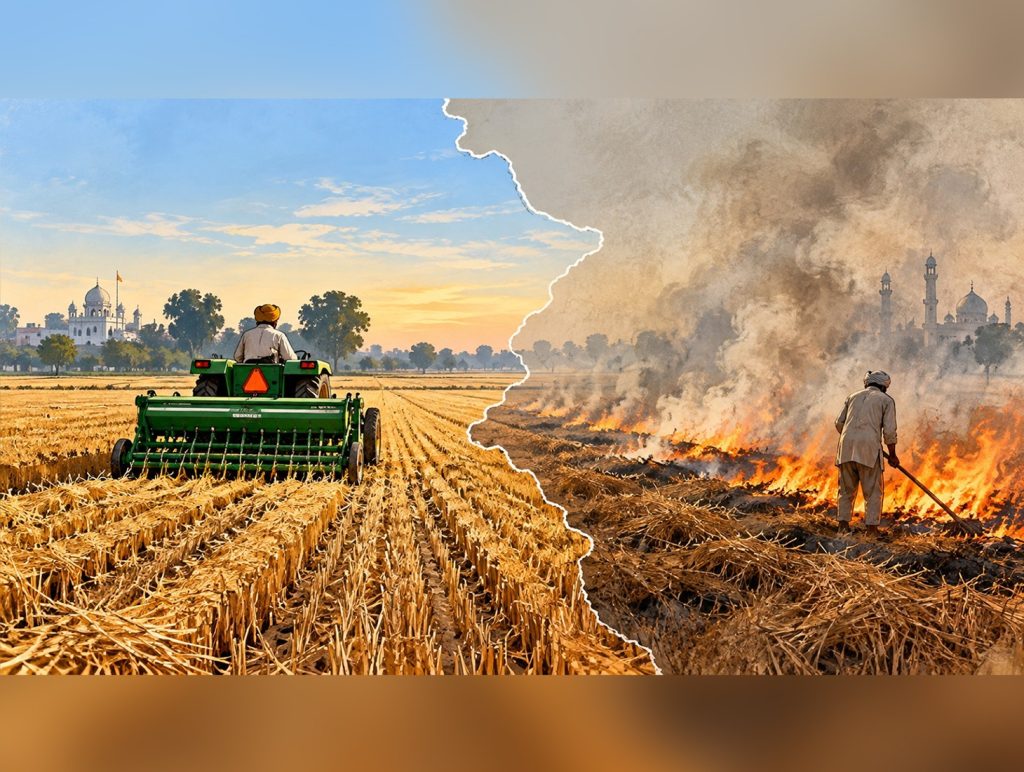
Every autumn, the paddy harvest leaves farmers across Indian and Pakistani Punjab with a narrow…
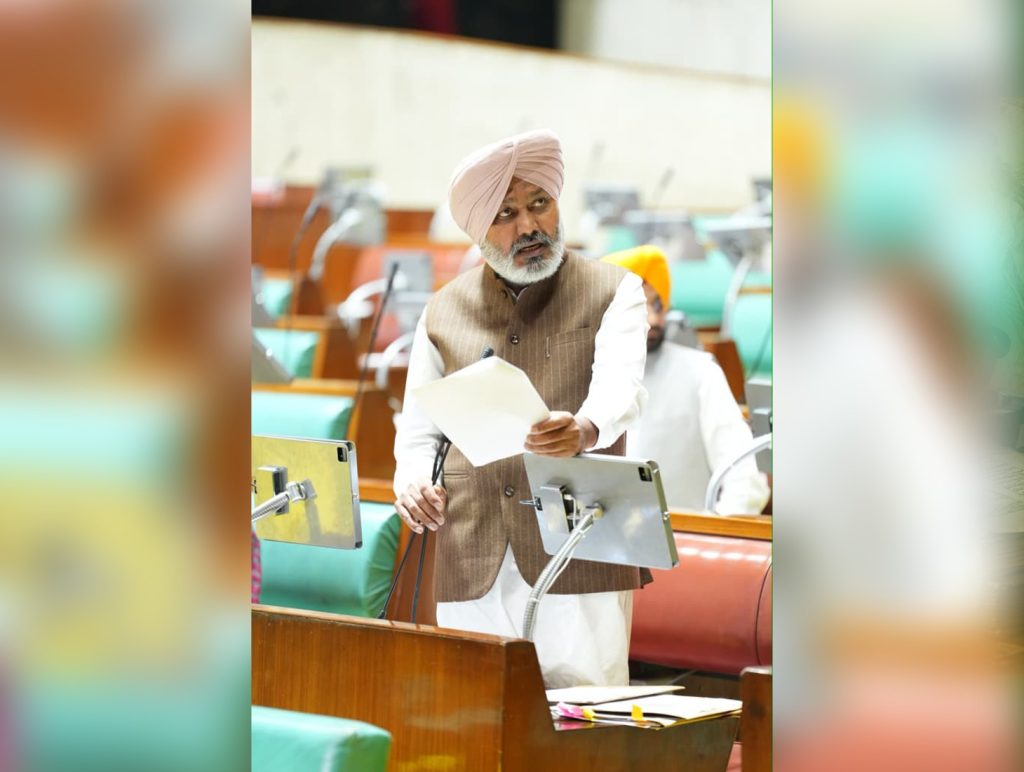
The Punjab Legislative Assembly has unanimously passed a resolution calling for safeguards to protect eligible…
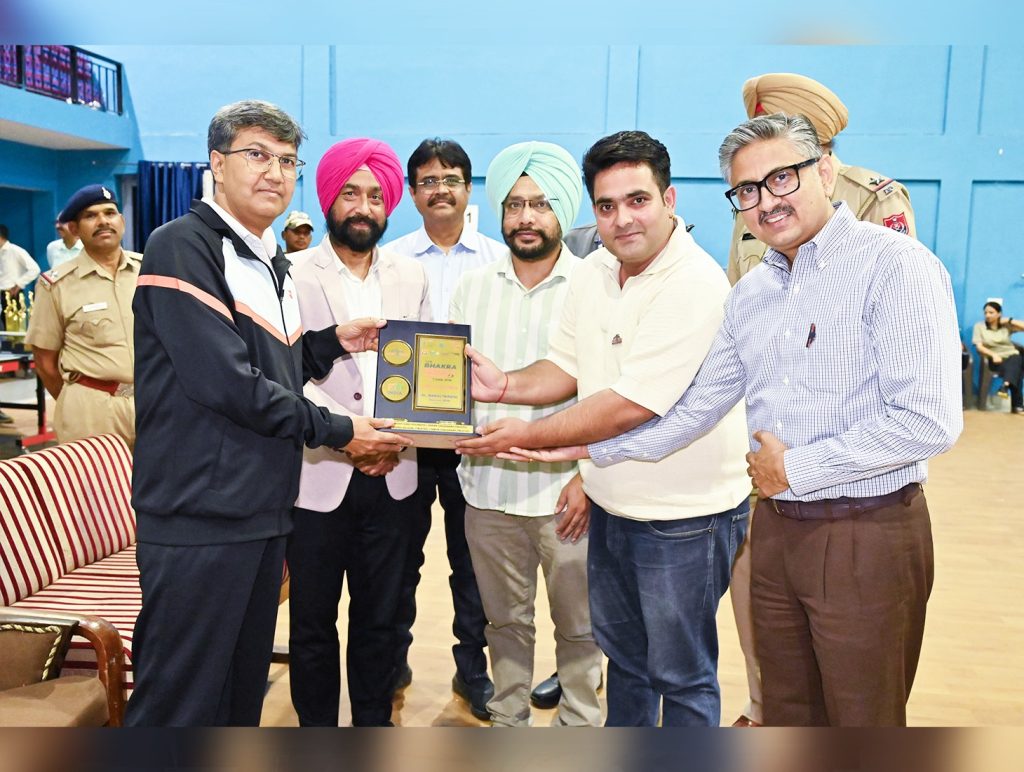
A delegation from Nangal By Cycle (NBC) Trust met Bhakra Beas Management Board (BBMB) Chairman…

The controversy surrounding the alleged humiliation of Punjabi singer Daler Mehndi at a cultural event…