Spread the news
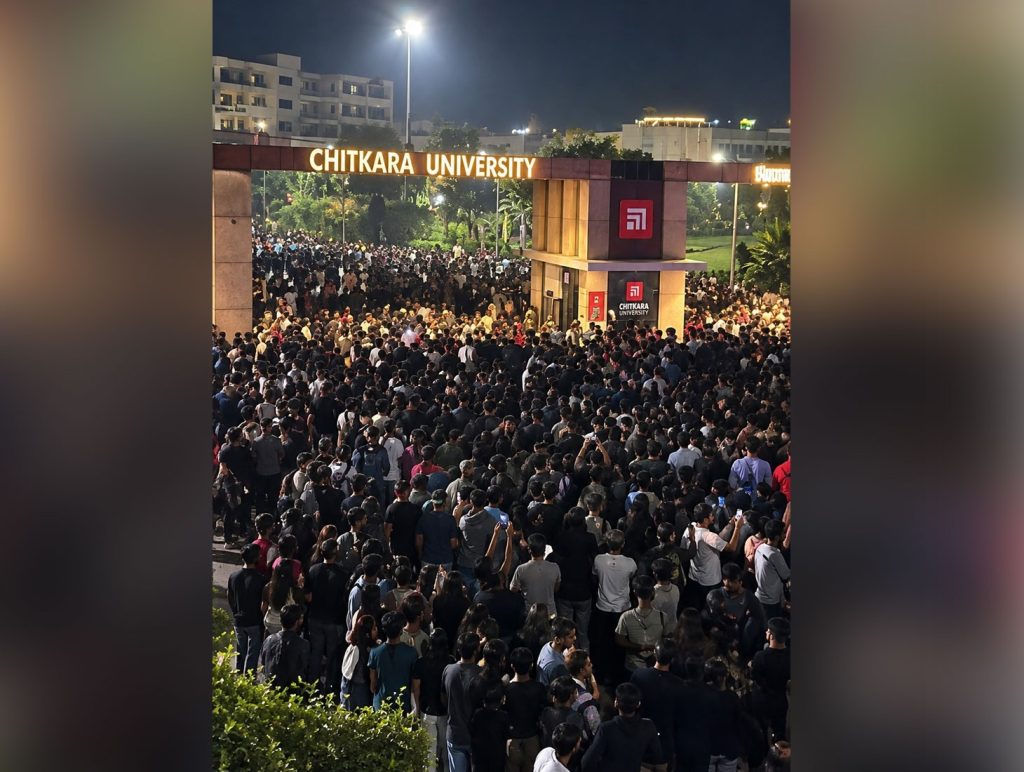
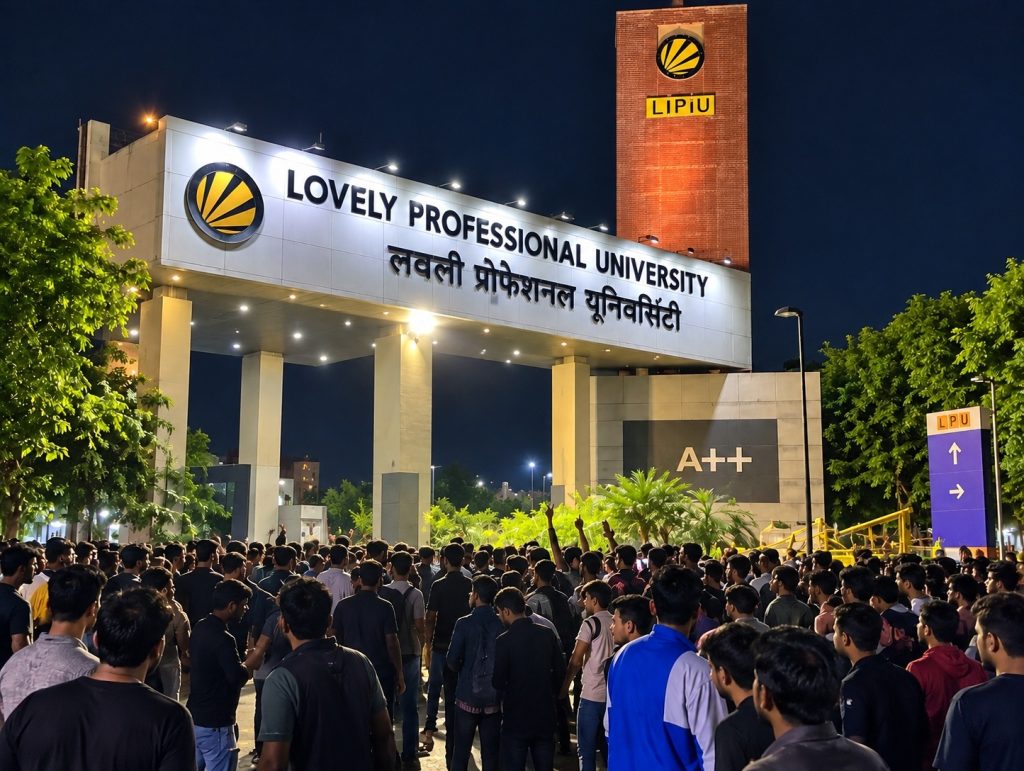
What happened at Chitkara University on September 25 and what followed at Lovely Professional University (LPU) less than two days later should not be viewed simply as two separate student protests.
In both cases, unverified information circulating on social media appears to have gathered extraordinary momentum drawing large numbers of students into protests that later escalated into violence. The sequence raises a more serious question for the Punjab administration. Where was the intelligence machinery before the situation went out of control?
Both universities have large student populations and operate in environments where information can travel within minutes through social media, messaging platforms and algorithm-driven feeds. Yet the speed with which rumours appear to have spread and translated into street mobilisation suggests that the authorities may not have been adequately prepared to identify the warning signs.
The issue is not simply whether particular claim circulating online was true or false. The larger concern is how unverified information was allowed to acquire enough momentum to trigger large-scale unrest.
That is where intelligence becomes critical.
The modern policing cannot begin only after vehicles are attacked, property is damaged or a highway is blocked. In an environment where thousands of young people can be mobilised through a few viral posts, intelligence gathering must also extend into the digital space. The authorities need to understand what is circulating, how quickly it is spreading and whether someone is deliberately amplifying it.
The developments at LPU make the question even more urgent.
The police have to resort to a lathi-charge after the situation deteriorated. Vehicles were attacked, some were reportedly set on fire and the Jalandhar-Phagwara highway was blocked.
The several students who spoke to the media alleged that outsiders had entered the campus and helped provoke the crowd. These are allegations and must be investigated rather than accepted as fact. But they are serious enough to warrant a thorough examination of who was present, who was coordinating the mobilisation and whether anyone deliberately attempted to turn a student protest into a violent confrontation.
This is precisely why the investigation cannot stop with the immediate acts of violence.
Who first circulated the information? Who amplified it? How did it spread so quickly? Were there organised groups involved? Were outsiders present? And did the authorities receive any warning before the protests escalated?These questions deserve clear answers.
There is also a broader issue emerging from the behaviour of Gen Z protests around the world. Young people are exceptionally connected through digital platforms, where algorithms can rapidly amplify emotionally charged content. That does not mean every protest is “algorithm-managed”, nor does it prove a conspiracy. But the possibility that digital networks can shape, accelerate or even manipulate mobilisation cannot simply be dismissed. The timing is sufficient to demand a closer look.
The state government and its intelligence agencies should examine whether there were common patterns in the way information spread, how crowds were mobilised and how the situations escalated. Punjab cannot afford to discover the warning signs only after violence has begun.
The immediate priority is a fair investigation into the allegations that triggered the protests. Equally important is an examination of the violence that followed and whether there was any organised attempt to exploit student anger.
The lesson for Punjab is clear. Intelligence today cannot be confined to what happens on the street. It must also understand what is happening on the screen before the street catches fire.









 The North News