








 Dr Kiran Deep
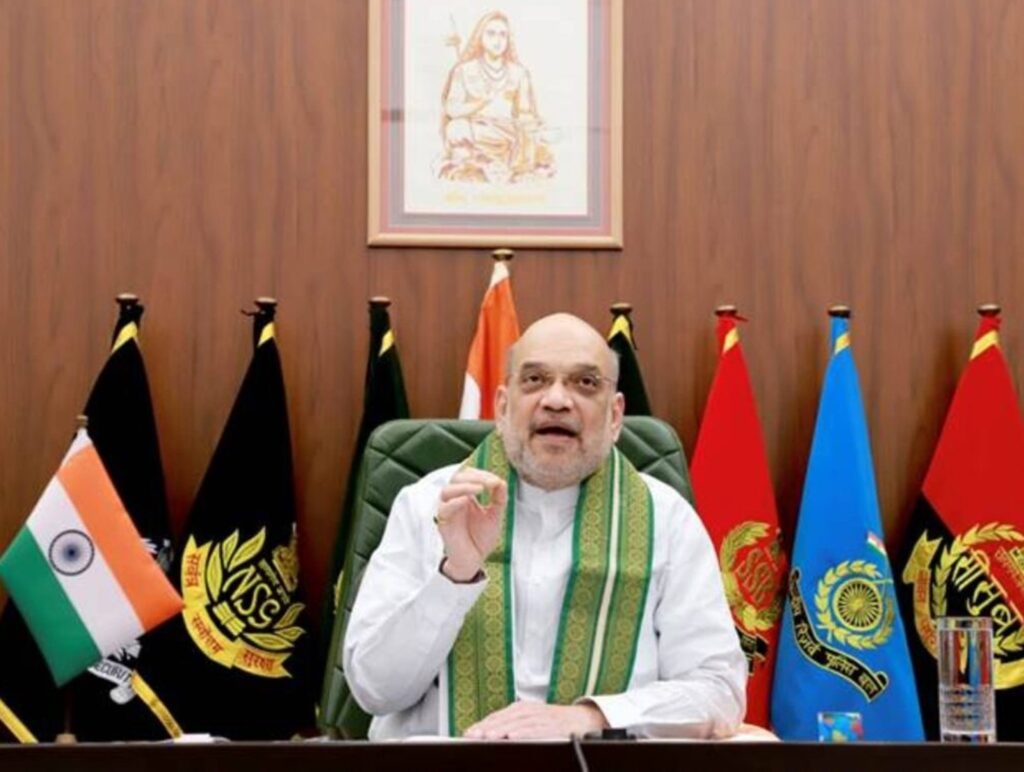
New Delhi, March 31
The Home Ministry has told a parliamentary committee that security agencies use only publicly available information from the internet and social media for intelligence gathering, and do not collect personal or private data.
In its submission to the Standing Committee on Communications and Information Technology, the ministry said that agencies rely on open-source intelligence from public platforms and insisted that privacy is not violated in the process.
The committee, chaired by BJP MP Nishikant Dubey, had asked the ministry how privacy concerns are addressed when information is gathered from the internet and social media.
Responding to the panel, the ministry said publicly accessible content such as social media posts, videos and online trends is used for intelligence purposes, but no private or personal information is collected.
It explained that “scraping” refers to the use of software tools to automatically scan public web pages or social media content and extract relevant information for law enforcement or intelligence analysis.
According to the ministry, such tools may be used to track public posts on platforms like X, Facebook and YouTube, including deepfake or morphed content, fake news, misinformation, and material that could incite communal hatred.
It said the same methods may also be used to monitor public hashtags, trends, YouTube channels and Telegram groups for radical content, extremist propaganda, or material such as bomb-making tutorials.
The ministry further said open-source intelligence may help investigators track scam websites, online gambling links, fake job offers and fraudulent investment schemes.
It added that in cybercrime investigations, public profiles on matrimonial and dating platforms may also be examined in cases involving honeytraps, blackmail or online fraud. The ministry also cited the use of dark web monitoring to identify cryptocurrency wallet addresses linked to illegal activity.
The Home Ministry also told the panel that artificial intelligence is increasingly being used in intelligence gathering and counter-intelligence operations.
It said AI tools are being used for face recognition, social media analysis, network mapping, natural language processing, pattern detection and identifying hidden links between individuals or events.
The ministry said these technologies help security agencies process large volumes of structured and unstructured data more quickly, improving the speed and accuracy of threat detection and decision-making.
It also informed the committee that the CRPF is already using AI to analyse narratives and public sentiment on social media platforms.
An AI-driven intelligence fusion centre for the CRPF is now in the final stage of deployment, the ministry said. It is expected to process large amounts of data and support operational decision-making through advanced analysis.
The ministry underlined that AI can also support multilingual monitoring, including regional dialects, and can help agencies detect threats by linking data from public sources, communication patterns, financial transactions and surveillance feeds.
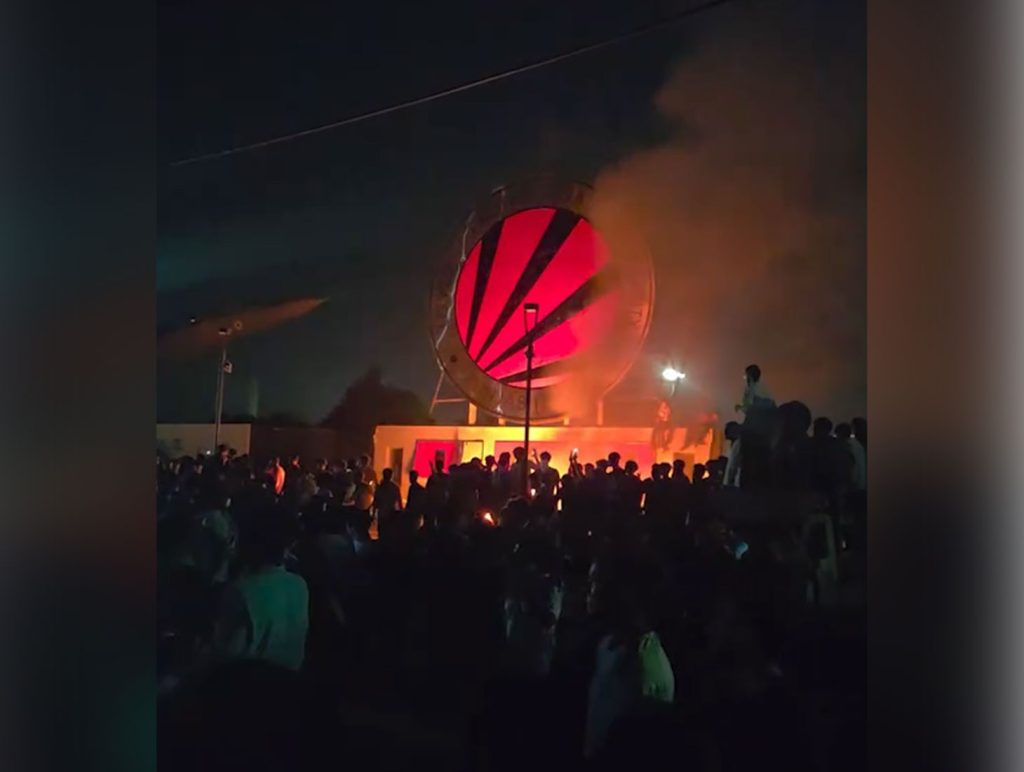
Two universities in Punjab. Two student protests. Two outbreaks of violence within days of each…
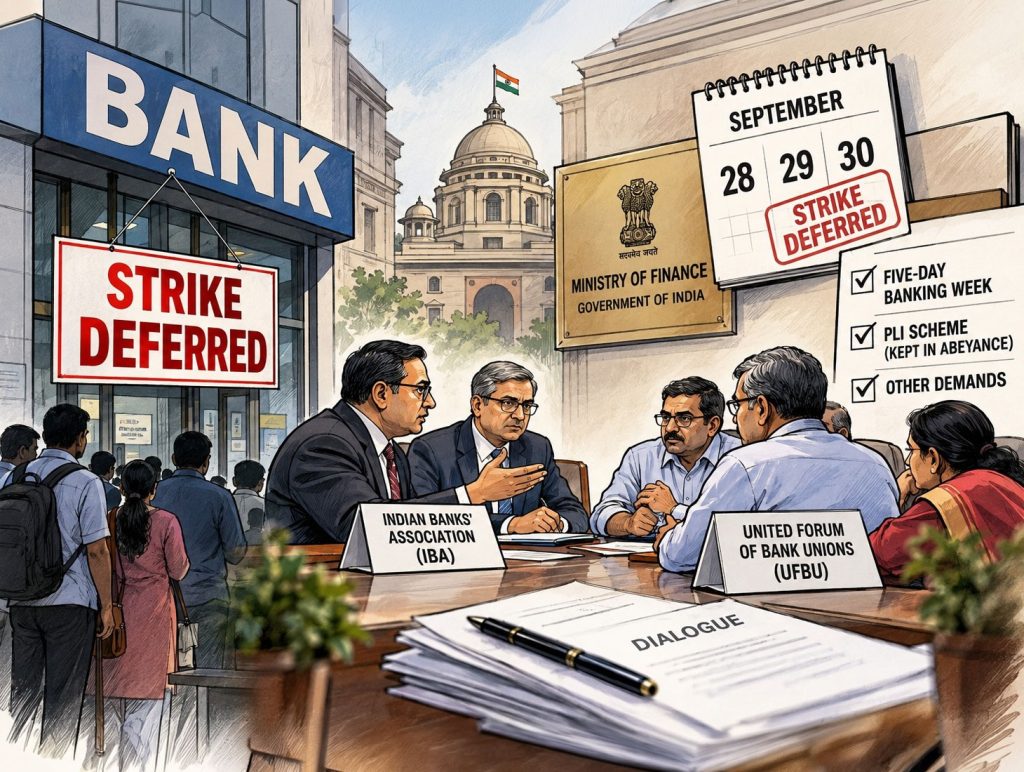
Five-day banking remains key demand; PLI scheme already kept in abeyance by government Chandigarh, September…
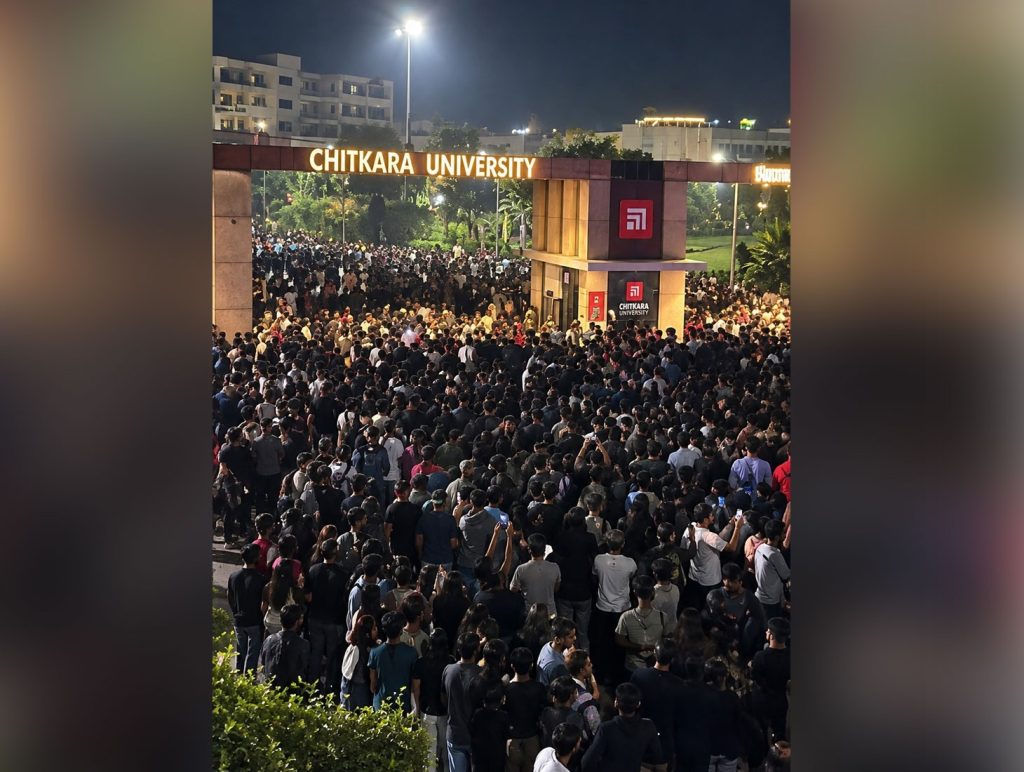
What happened at Chitkara University on September 25 and what followed at Lovely Professional University…

Chandigarh, September 27 A protest erupted at Lovely Professional University in Phagwara late on Saturday…