








 PTI
PTI
By WYATTE GRANTHAM-PHILIPS
New York, March 31
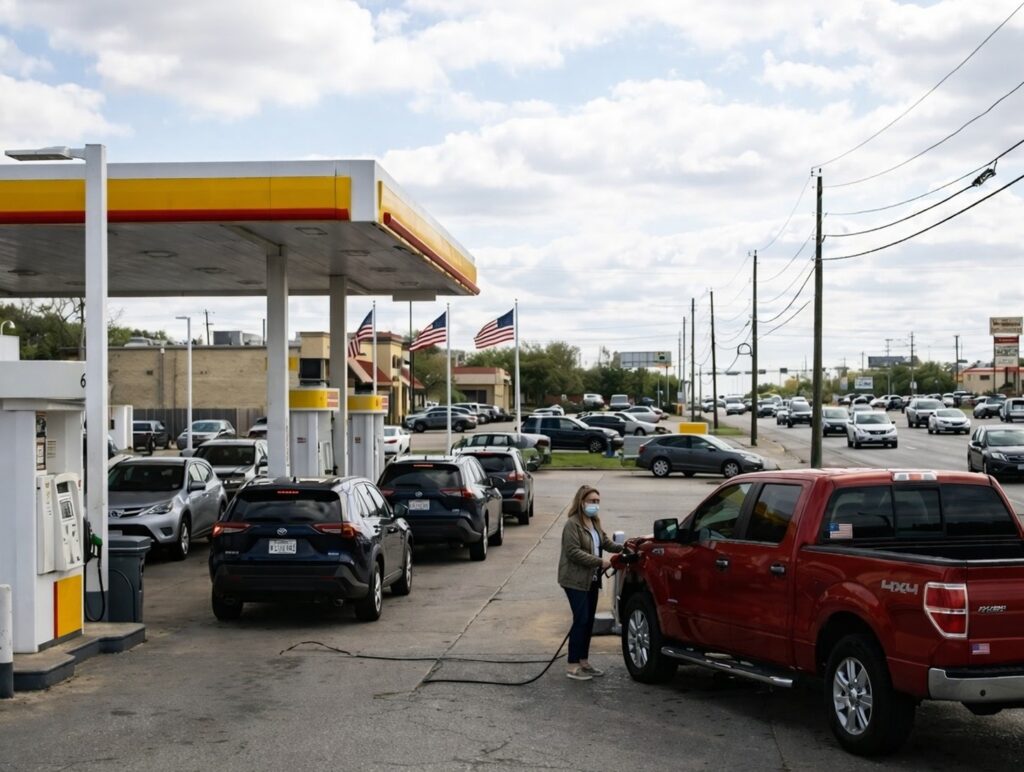
US gas prices surged past an average of USD 4 a gallon for the first time since 2022 on Tuesday, as the Iran war drove fuel prices higher across global markets.
According to the AAA (American Automobile Association), the national average price for a gallon of regular gasoline has risen to USD 4.02, marking an increase of over a dollar compared to pre-war levels. The last time US drivers paid similar rates was nearly four years ago, in the aftermath of the Ukraine conflict.
While this is a nationwide average, prices vary significantly across states due to factors such as supply conditions and local tax structures, with several regions already witnessing rates well above USD 4 per gallon.
The spike follows the launch of joint military operations by the US and Israel against Iran on February 28, which triggered sharp fluctuations in crude oil prices. The conflict has disrupted supply chains and forced production cuts among major oil producers in the Middle East, pushing up the cost of crude — the primary component of gasoline.
Rising fuel costs are placing increased pressure on households and businesses already grappling with higher living expenses. As spending on essentials like fuel rises, consumers may be forced to cut back in other areas, while businesses face higher transportation costs that are likely to be passed on to consumers.
Analysts warn that grocery prices could be among the first to rise, as frequent restocking becomes more expensive. The impact is also being felt in logistics, with the United States Postal Service seeking a temporary 8 per cent surcharge on select services, including Priority Mail.
Diesel prices have also climbed sharply, reaching an average of USD 5.45 per gallon, up from about USD 3.76 before the war began, further increasing costs for freight and delivery operations.
The situation could worsen if the conflict continues, as tanker movement through the strategic Strait of Hormuz — a route for roughly one-fifth of global oil shipments — remains largely stalled. In addition, strikes on oil and gas infrastructure by Iran, Israel and the US have intensified supply concerns.
In response, the International Energy Agency has pledged to release 400 million barrels of oil from emergency reserves held by member nations, including the US. The administration of Donald Trump has also eased sanctions on Venezuela and temporarily on Russia to increase supply, while waiving maritime shipping requirements under the Jones Act for 60 days.
However, it remains uncertain when consumers will see relief. Refineries typically purchase crude oil in advance, meaning higher costs may persist for some time. Seasonal factors, including increased travel demand and the shift to more expensive summer-blend fuel, are also contributing to the price rise.
Although the US is a net exporter of oil, it still depends on imports due to refinery requirements, making it vulnerable to global price shocks. Historically, geopolitical tensions have led to similar spikes, with US gas prices exceeding USD 5 per gallon in June 2022 before easing later that year.
Before this recent surge, the national average had remained below USD 4 per gallon since mid-August 2022, according to AAA data.

More than a decade after the brutal 2012 Delhi gang rape triggered nationwide protests and…

BJP launches anti-drug yatra in Punjab Pathankot, September 18 BJP national president Nitin Nabin on…

New Delhi, September 17 India’s semiconductor ecosystem is expanding rapidly, opening new opportunities for innovation,…

New Delhi, September 17 Prime Minister Narendra Modi on Thursday thanked people across the country…