






 Dr Kiran Deep
The North News
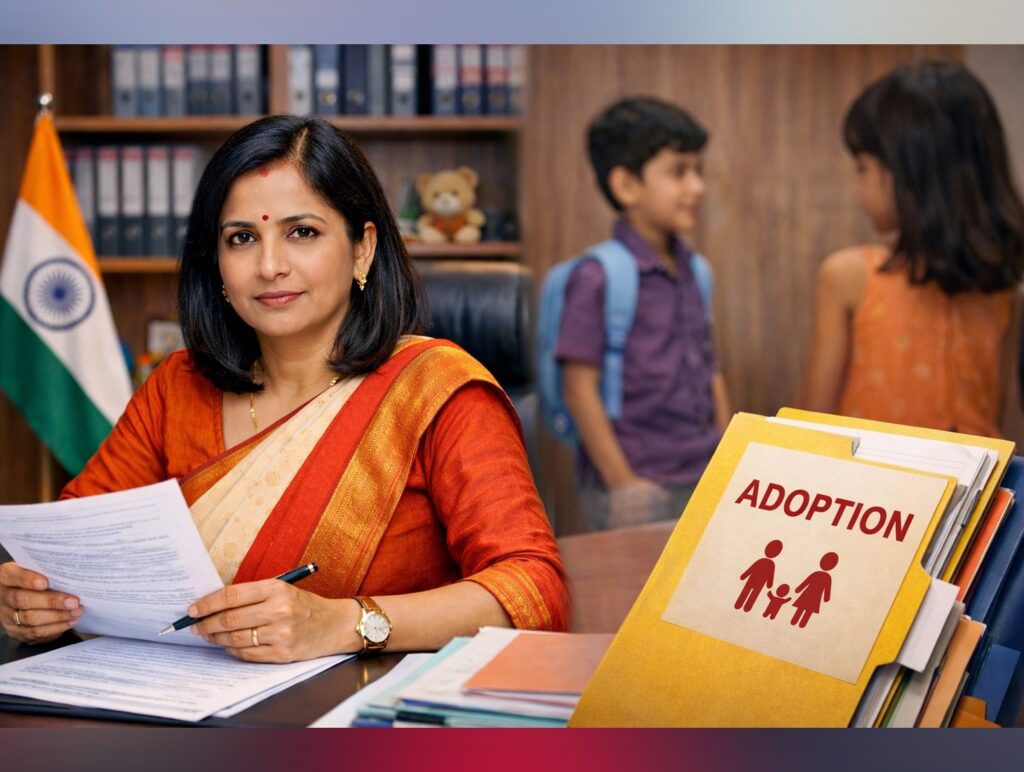
India’s apex adoption body has directed all states and Union territories to strictly follow legal adoption procedures, preserve adoptee records and ensure children’s identities are protected.
The Central Adoption Resource Authority (CARA) issued three office memorandums to State Adoption Resource Agencies (SARAs), asking them to strengthen compliance with adoption laws under the Juvenile Justice (Care and Protection of Children) Act, 2015, as amended in 2021, and the Adoption Regulations, 2022.
In the first memorandum, CARA said no orphan or abandoned child should be declared legally free for adoption unless all statutory steps have been completed, including due inquiry, tracing biological parents and restoration efforts within the prescribed timeline.
It also said that in the case of surrendered children, the mandatory two-month reconsideration period under the law must be observed before a child can be declared legally free for adoption.
The second memorandum focused on the preservation and transfer of records relating to children and adoptees, amid concerns that some adult adoptees have faced difficulties tracing their origins through the “root search” process.
According to the official statement, records in some cases were found missing because adoption agencies or child care institutions had shut down, been de-registered, merged or had their responsibilities transferred elsewhere.
CARA said the obligation to safeguard such records continues regardless of whether the original institution is still functioning.
States and Union territories have been asked to ensure that both physical and digital records are securely preserved and transferred to the designated authority or institution, with arrangements made for long-term safekeeping.
The authority said records must not be destroyed, discarded or made inaccessible except in accordance with the law. It added that the provisions were in line with Section 99 of the Juvenile Justice Act, which mandates confidentiality of records related to children.
In the third memorandum, CARA directed states and Union territories to ensure strict compliance with Section 74 of the Act, which bars disclosure of the identity of children in conflict with the law or those in need of care and protection.
It asked authorities to instruct all concerned institutions and officials not to share photographs, videos or identifying details of children living in specialised adoption agencies or child care institutions, including on social media.
The states were also told to take action in cases of violations and sensitise staff and officials about confidentiality rules and the penalties provided under the law.
CARA said the measures were aimed at improving transparency, accountability and child protection in the adoption system, while safeguarding the rights, dignity and privacy of children and adoptees.
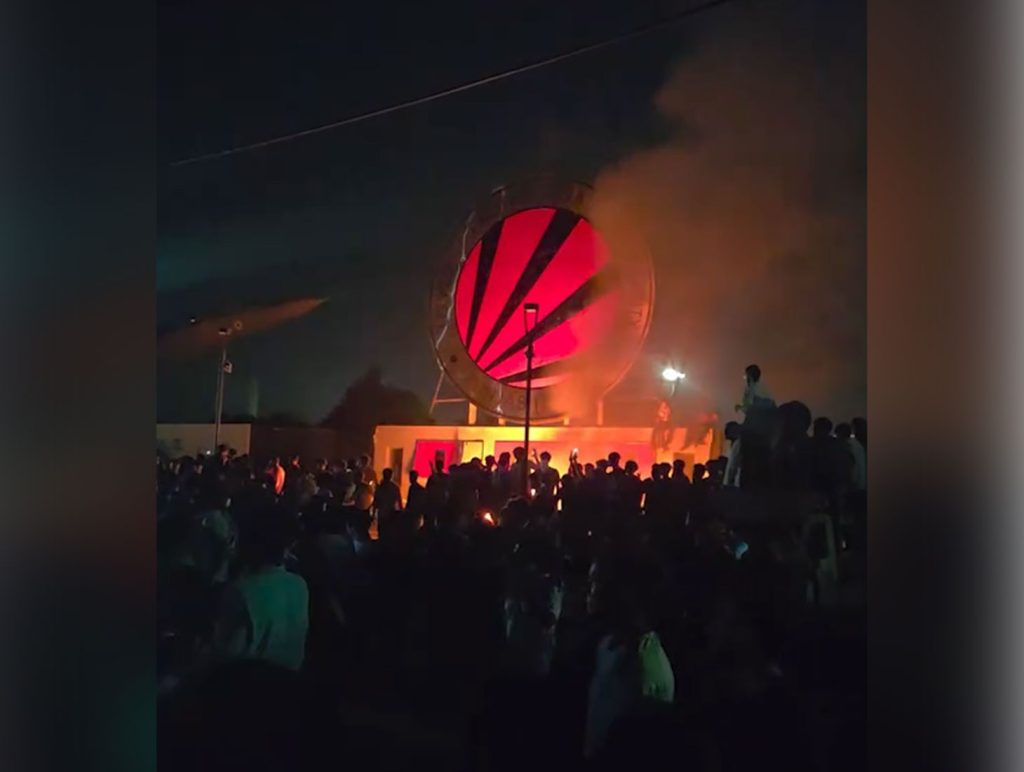
Two universities in Punjab. Two student protests. Two outbreaks of violence within days of each…

Five-day banking remains key demand; PLI scheme already kept in abeyance by government Chandigarh, September…
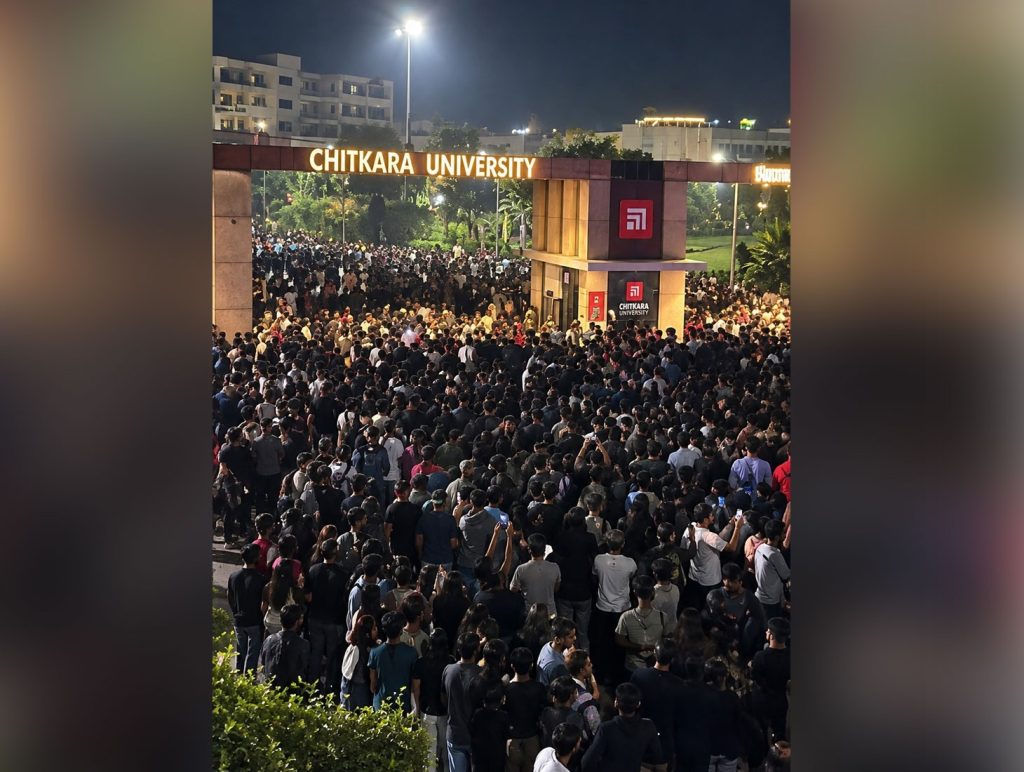
What happened at Chitkara University on September 25 and what followed at Lovely Professional University…
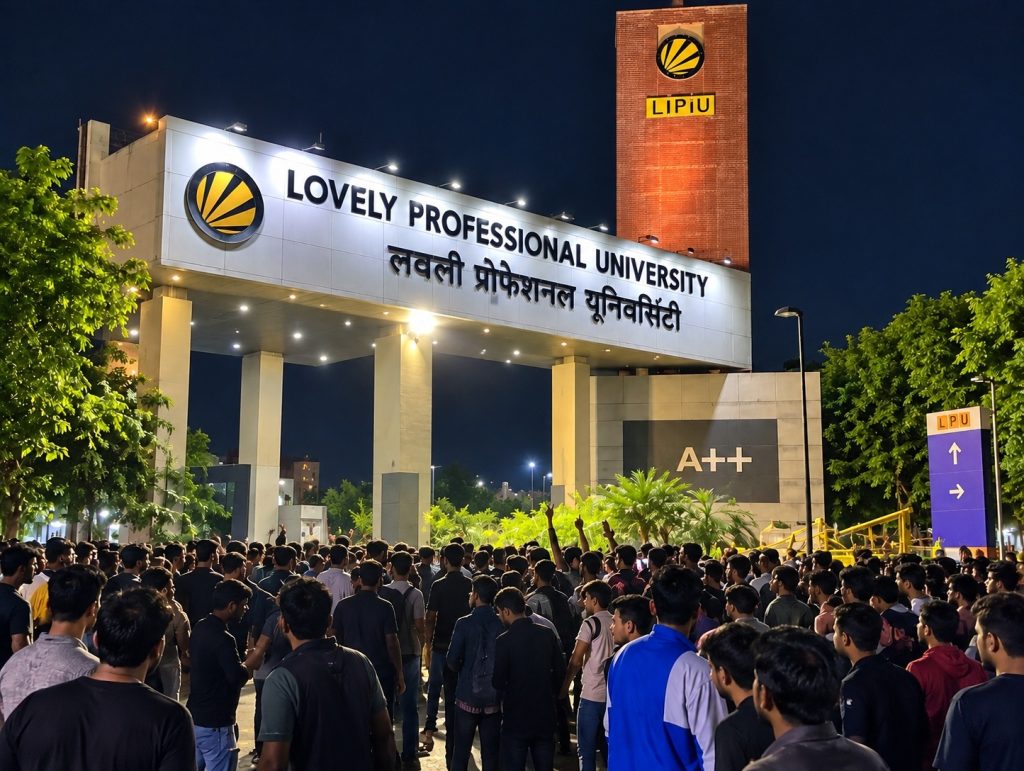
Chandigarh, September 27 A protest erupted at Lovely Professional University in Phagwara late on Saturday…