








 Yog Raj Sharma
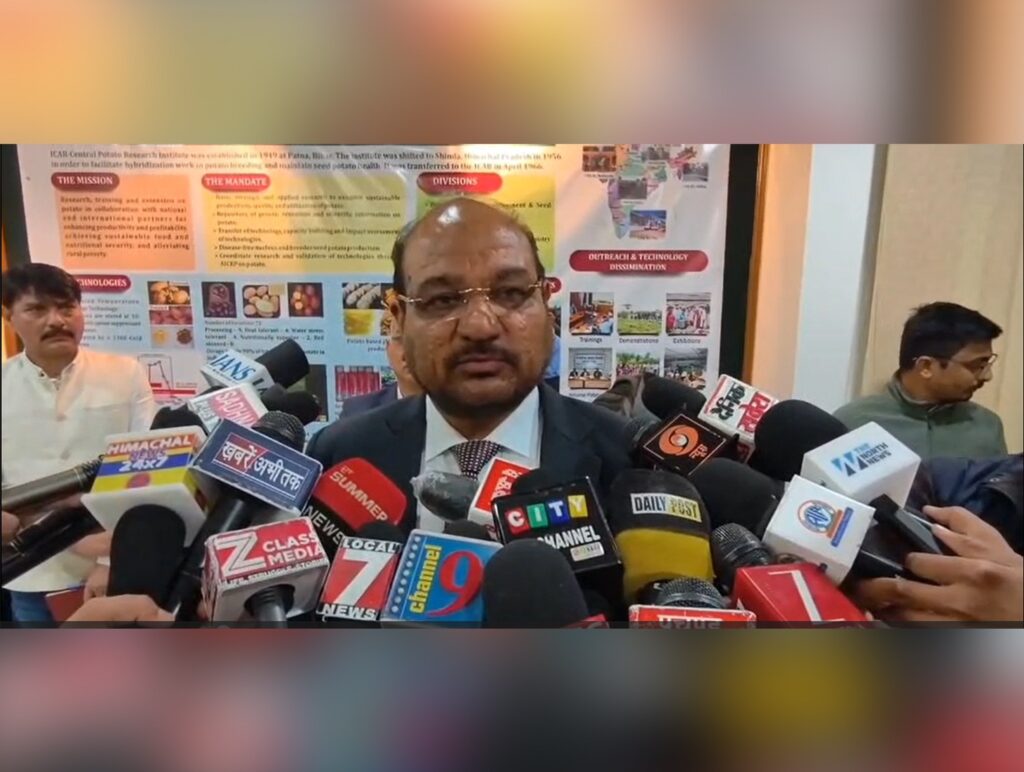
Shimla, May 1
Farmers, scientists, industry representatives, and policymakers gathered at the Central Potato Research Institute in Shimla for a stakeholders’ conference focused on strengthening the potato value chain, with emphasis on sustainable practices, improved seed systems, and better market linkages.
Addressing the conference as the chief guest, Secretary, Department of Agricultural Research and Education, and Director General of the Indian Council of Agricultural Research, Dr. Mangi Lal Jat highlighted the need to promote chemical-free potato cultivation. He said excessive use of chemicals harms both farmers’ health and soil fertility, making sustainable practices essential for long-term productivity.
Dr. Jat noted that farmer self-reliance remains a key priority, with research efforts being aligned to address field-level challenges. He pointed out that Himachal Pradesh holds a significant place in potato cultivation and that the institute has developed over 50 improved varieties over the years.
He also underlined the importance of supplying farmers with disease-free seed potatoes, especially given recurring crop diseases. Efforts are underway to promote virus-free seed production using advanced techniques such as aeroponics.
Climate change was flagged as a major concern affecting potato production. Officials said research is ongoing to develop climate-resilient varieties and technologies suited to changing environmental conditions.
The conference also saw detailed discussions on seed production, crop protection, storage, processing, and marketing. Participants stressed the need to raise awareness about balanced fertilizer use and to improve efficiency across the potato value chain.
The deliberations are expected to guide future strategies to strengthen the potato sector in the region, with a focus on sustainability, improved farmer incomes, and better integration of production and market systems.
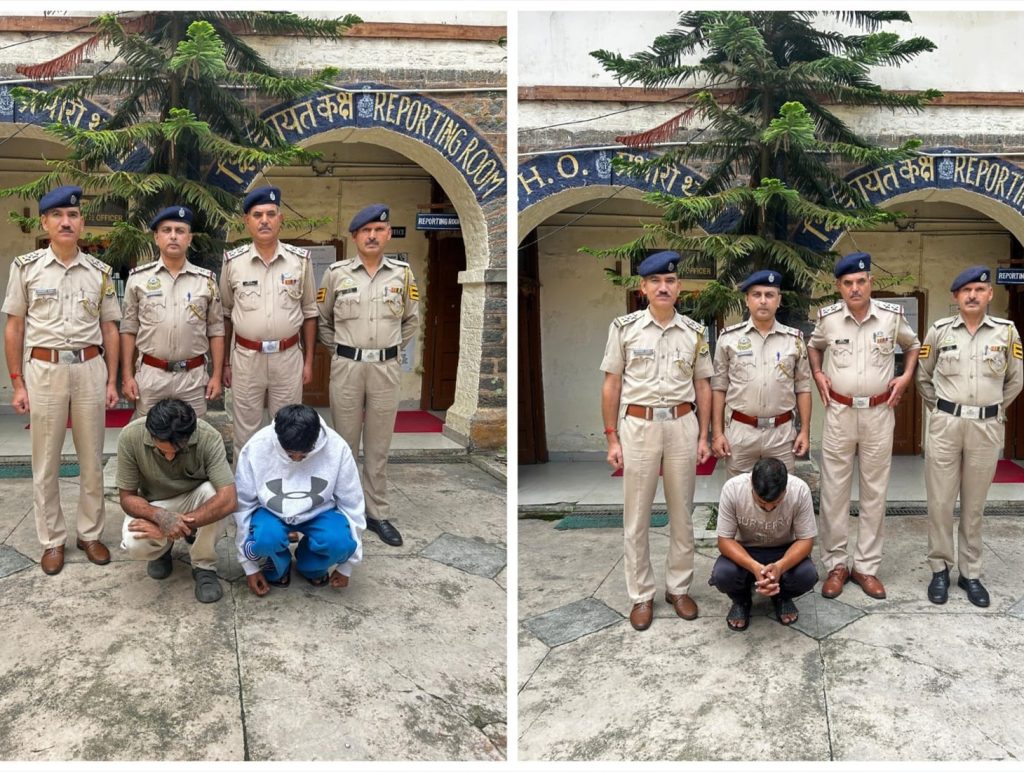
Two alleged key suppliers arrested in Fazilka and Chandigarh during probe into separate ‘chitta’ cases…
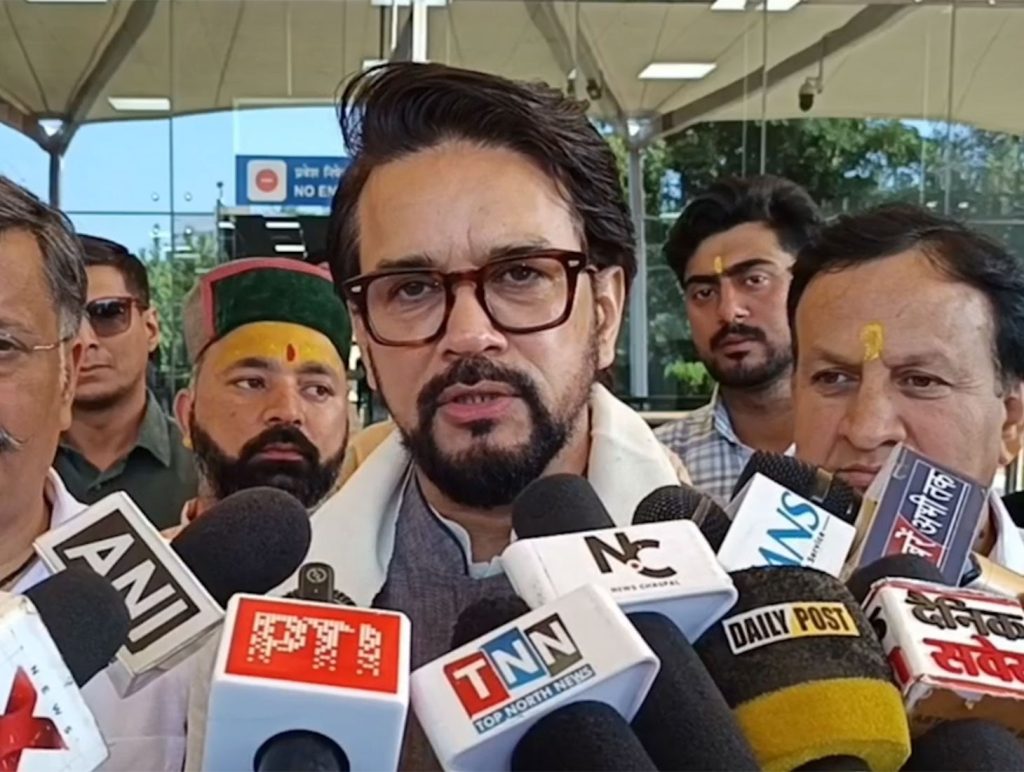
The BJP MP also calls for social media regulations, reacts to Rahul Gandhi’s remarks on…
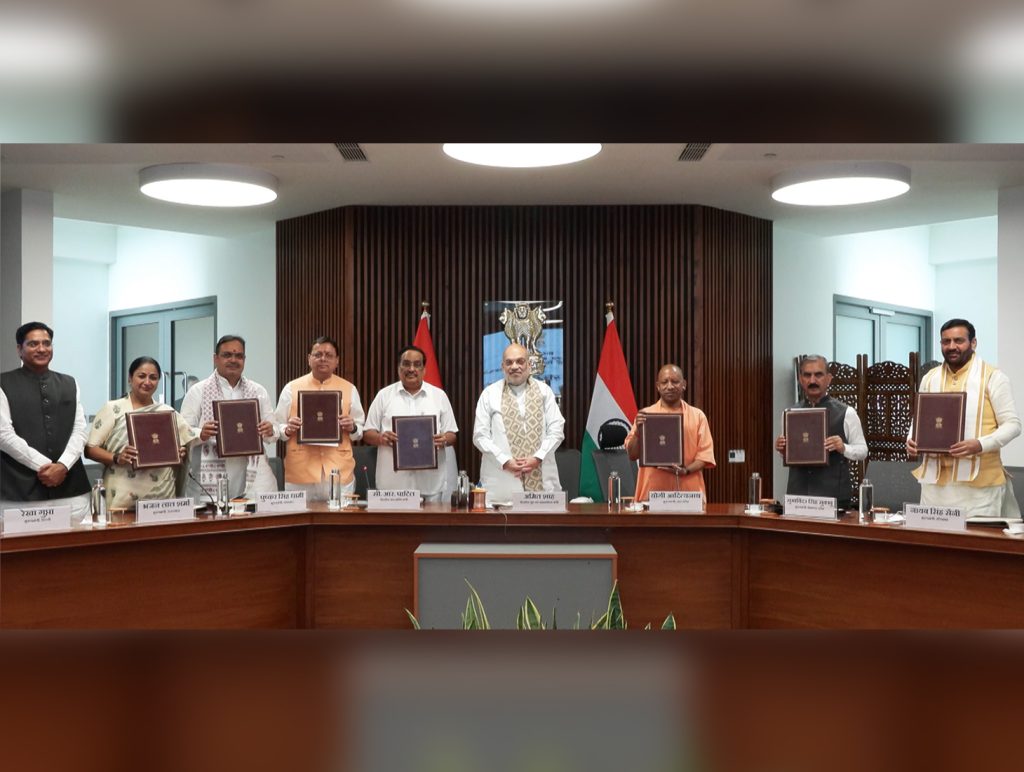
Six states sign Rs 15,624-crore pact; Delhi, Haryana and Rajasthan to bear state’s estimated power-component…
District chief Keshav Chauhan flags patient woes over cardiology shift to Chamiyana and KNH gynaecology…