








 Dr Kiran Deep
United Nations, April 14
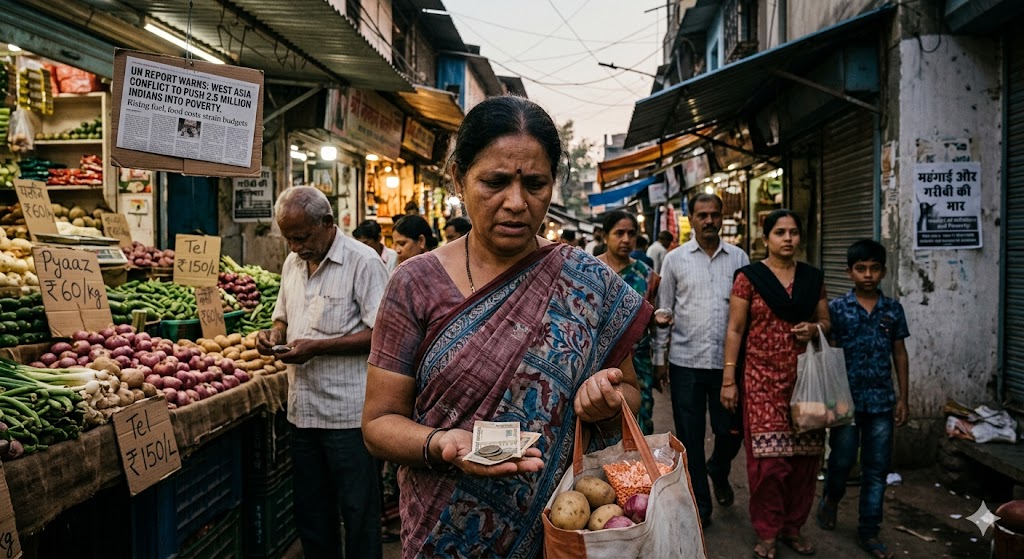
A new report by the United Nations Development Programme warns that escalating conflict in West Asia could push up to 2.5 million people in India into poverty, while slowing the country’s human development progress. The study highlights how rising fuel, freight and input costs linked to the conflict are weakening household purchasing power, increasing food insecurity and putting pressure on public finances across the Asia-Pacific region.
Globally, as many as 8.8 million people could fall into poverty under severe scenarios, with South Asia expected to bear the largest share of the impact. The report has projected a slight rise in the poverty rate in India, potentially adding millions more to those already living below the poverty line. The report also suggests a small but measurable setback to India’s Human Development Index, reflecting broader economic strain.
The report claims that the findings underline India’s vulnerability to external shocks, particularly its heavy reliance on energy imports from the region. Disruptions have also affected trade routes, supply chains and remittance flows, with millions of Indian workers based in Gulf countries.
Sectors dependent on imported inputs — especially small and medium enterprises — are expected to face higher costs and reduced demand, raising concerns about jobs and livelihoods, particularly in the informal workforce.
The report also points to risks for food security and agriculture, especially if disruptions continue into the monsoon cropping season.
Despite the challenges, the UN says countries have an opportunity to strengthen resilience through better social protection, diversified supply chains and more sustainable energy systems.
inable energy systems.
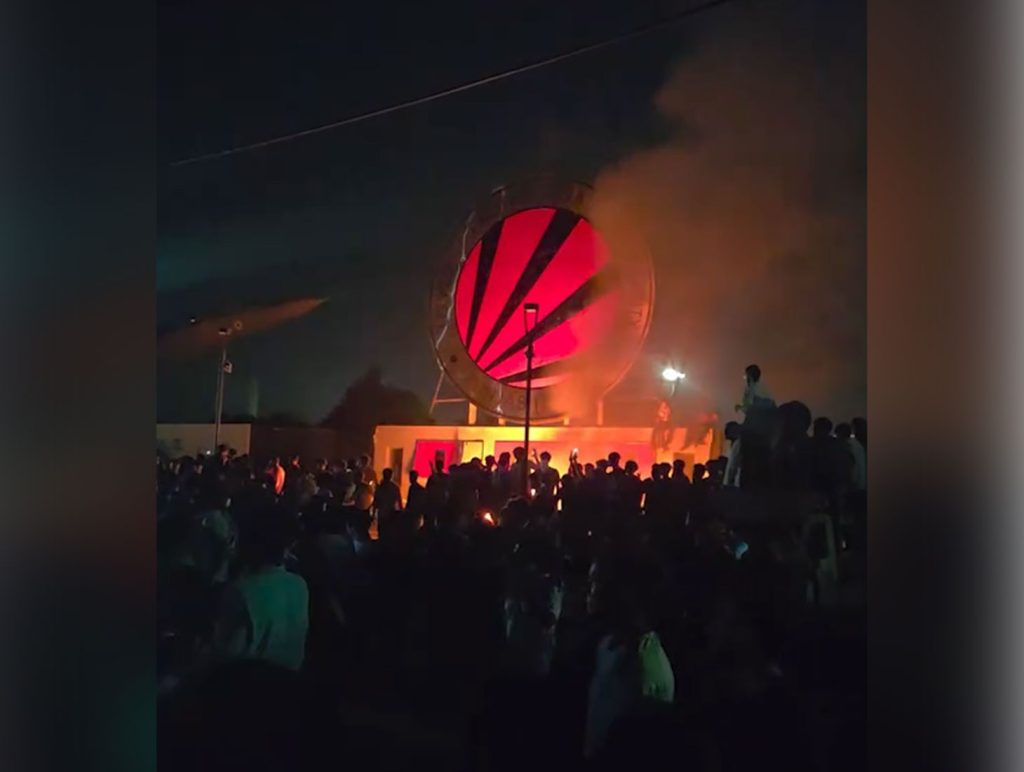
Two universities in Punjab. Two student protests. Two outbreaks of violence within days of each…
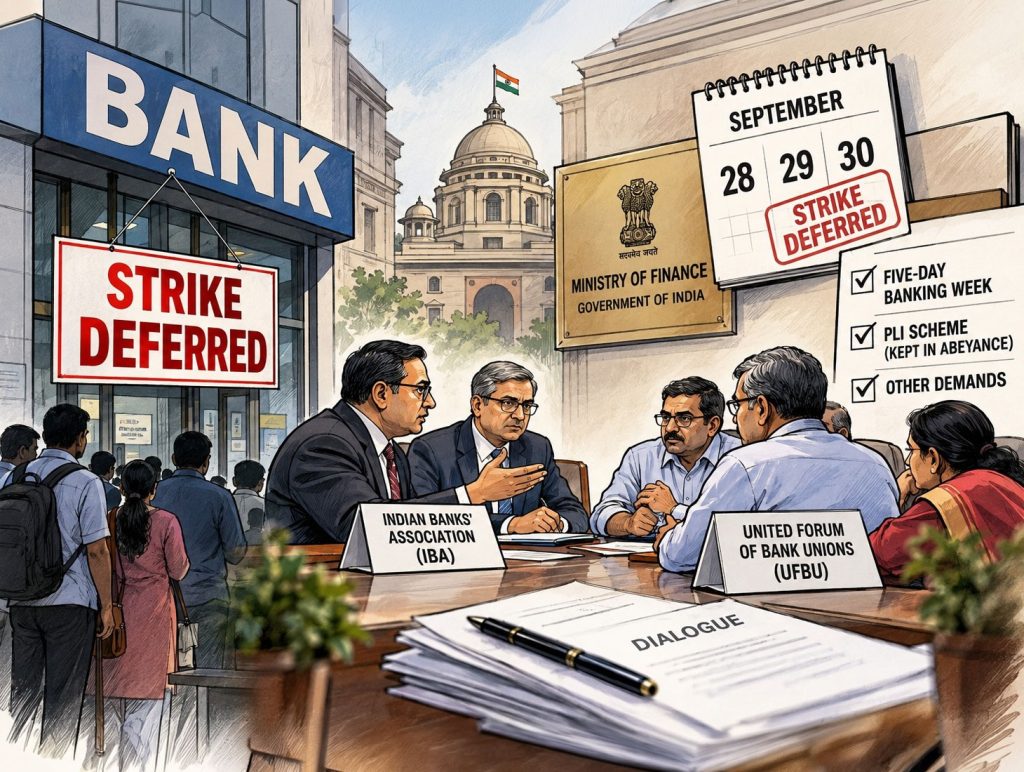
Five-day banking remains key demand; PLI scheme already kept in abeyance by government Chandigarh, September…
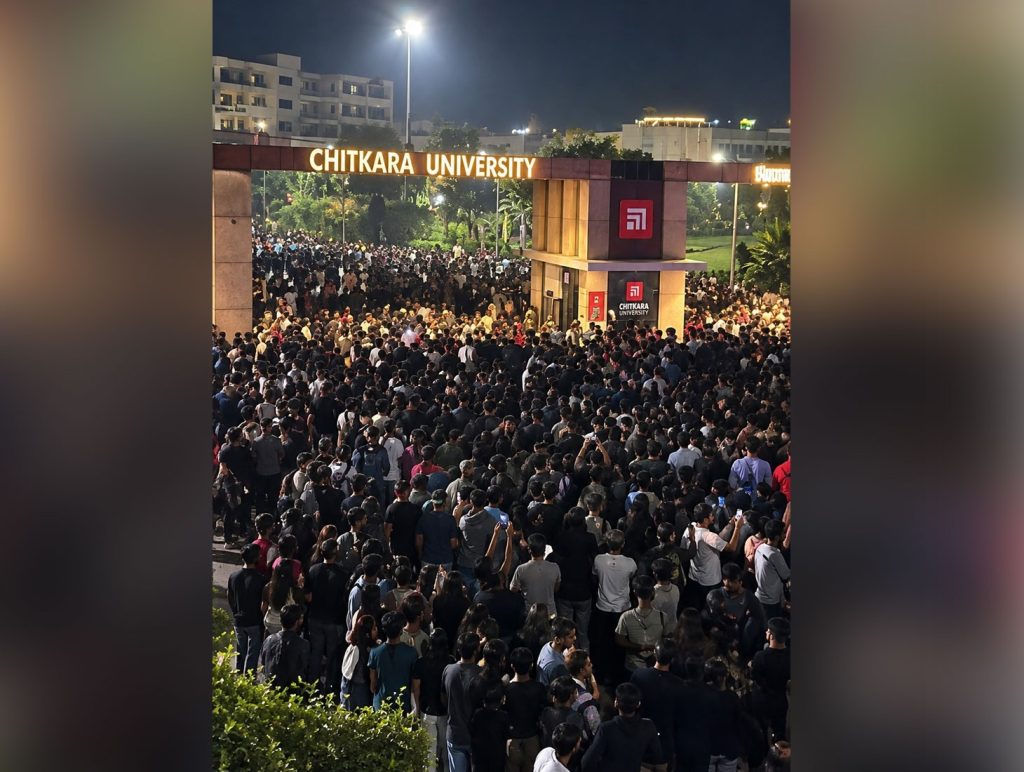
What happened at Chitkara University on September 25 and what followed at Lovely Professional University…
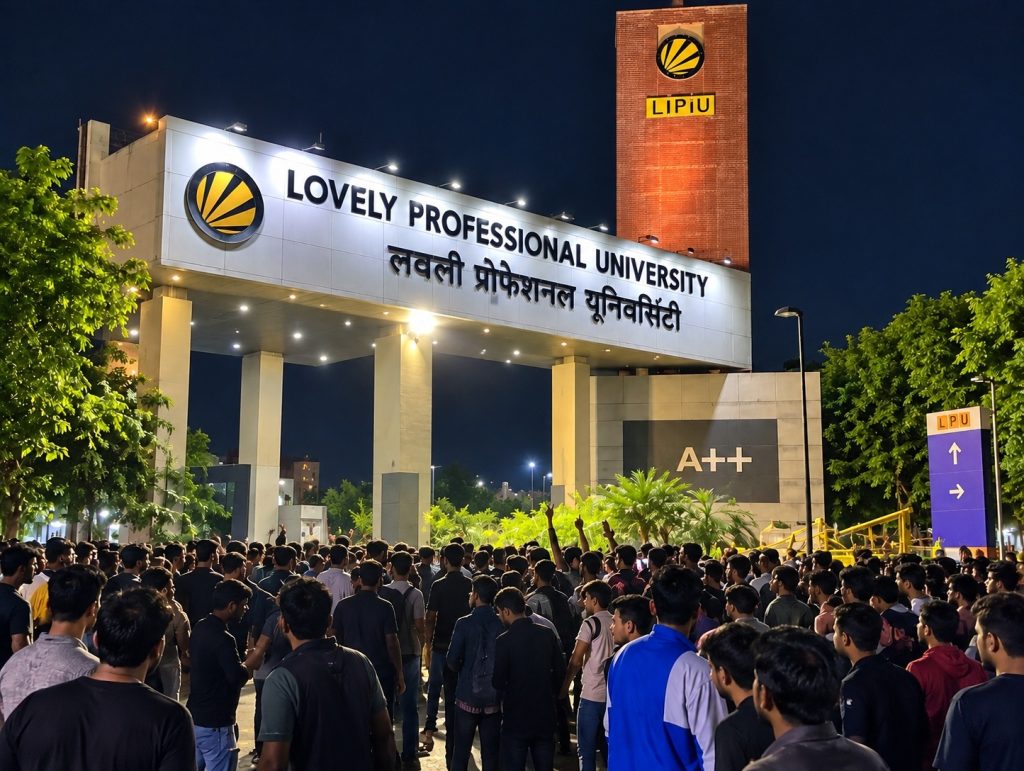
Chandigarh, September 27 A protest erupted at Lovely Professional University in Phagwara late on Saturday…