








 PTI
PTI
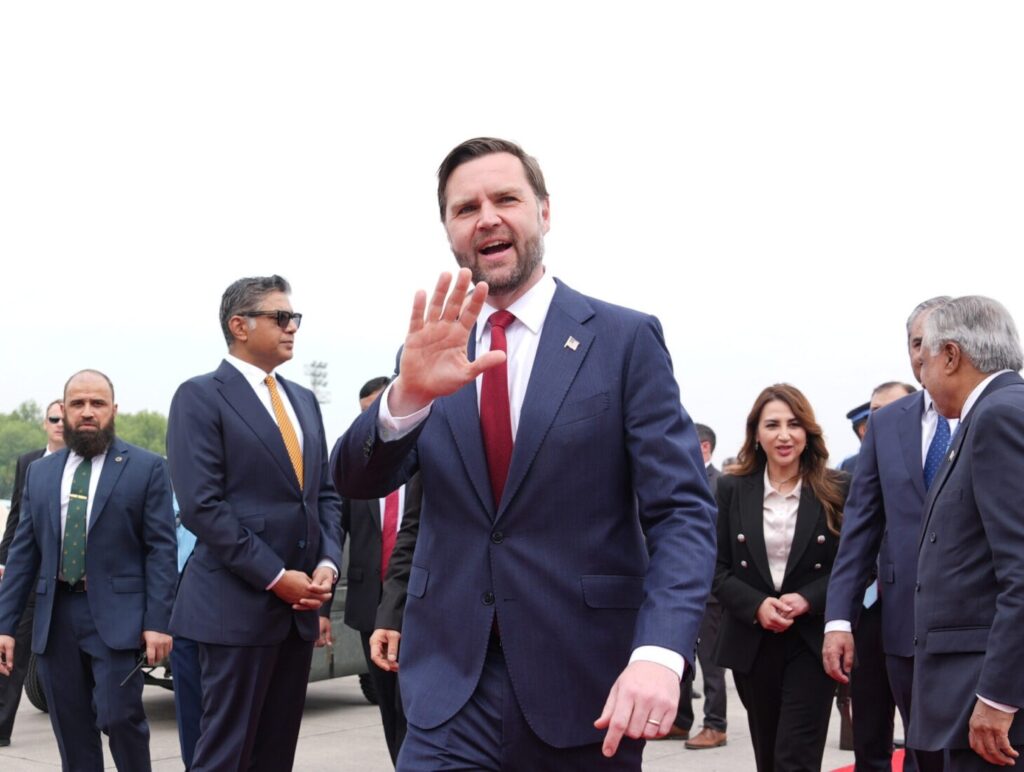
Islamabad, April 12
High-stakes talks between the United States and Iran in Pakistan have ended without an agreement, with both sides pointing to fundamental disagreements despite nearly a full day of negotiations.
US Vice President JD Vance, who led the American delegation, said the failure to reach a deal after 21 hours of discussions was largely due to Iran’s refusal to abandon its nuclear programme.
“We’ve had substantive discussions, but we could not reach an agreement,” he told reporters in Islamabad, adding that Washington had presented its “final and best offer”, which Tehran did not accept.
On the Iranian side, Foreign Ministry spokesperson Esmaeil Baqaei said the talks collapsed because of what he described as “excessive demands” from the United States.
He stressed, however, that diplomacy remained open. “The talks did not reach an agreement,” he said, according to state media, while noting that both sides had found common ground on some issues but remained divided on “two or three important matters”.
The negotiations, brokered by Pakistan, marked a rare moment of direct engagement between the two countries and were closely watched around the world for signs of a possible diplomatic breakthrough.
Officials said the discussions involved the exchange of multiple proposals and messages over several hours, reflecting both the intensity of the talks and the complexity of the issues at stake.
At the centre of the deadlock was Iran’s nuclear programme. Vance reiterated that the administration of President Donald Trump wants firm assurances that Iran will not pursue nuclear weapons or develop the capability to do so.
The collapse of the talks raises fresh questions about the future of a fragile ceasefire agreed earlier, as well as the stability of the wider region. It also casts uncertainty over the reopening of the strategically vital Strait of Hormuz, a key artery for global oil supplies.
The talks were part of a broader diplomatic push led by Pakistan, following an appeal by Prime Minister Shehbaz Sharif, which had helped bring the two sides to the negotiating table after weeks of escalating conflict.
That conflict, triggered by US and Israeli strikes on Iran in late February, has already shaken global energy markets and heightened tensions across West Asia.
Despite the lack of a breakthrough, both sides signalled that dialogue may continue — leaving a narrow window open for diplomacy in a crisis with far-reaching global implications.

Devastating floods along the Nepal-Tibet border, reportedly killed 270 people so far, have once again…
Jabalpur, June 26 The Madhya Pradesh High Court on Thursday dismissed a defamation case against…
New Delhi, June 25 Prime Minister Narendra Modi on Thursday described the Emergency imposed in…
The Centre government has said that a passport has never been considered conclusive proof of…