Spread the news

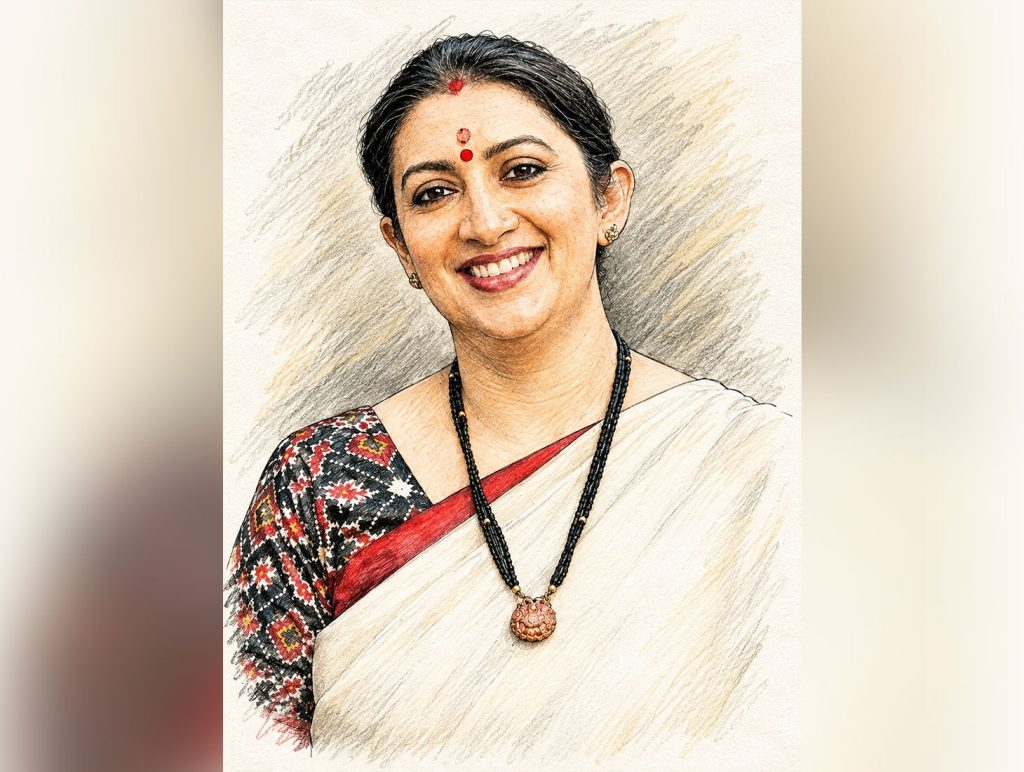
Long before Smriti Irani became a familiar face in Indian politics, she was known simply as Tulsi. When Kyunki Saas Bhi Kabhi Bahu Thi began dominating television screens, Irani’s portrayal of Tulsi made her a household name. Her popularity reached a point where her name was discussed in homes across the country with the same familiarity reserved for the stars of popular Mahabharata and Ramayana television serials.
That was the height of her television career. But Irani was soon to take a completely different path.She entered politics in 2003 and went on to build a career that eventually took her to Parliament and the Union government. Her most talked-about electoral moment came in 2019, when she defeated Congress leader Rahul Gandhi in Amethi.
The victory earned her the description of a “giant killer” and made her one of the most prominent faces of the BJP’s political campaign.
But politics, like television, can change the fortunes of its stars quickly.In the 2024 Lok Sabha election, Irani lost Amethi to Congress candidate Kishori Lal Sharma long-time Gandhi family loyalist. This was a major set-back for her.
Irani, however, did not disappear from public life.
Recently, Irani spoke about the financial difficulties her family faced while she was growing up. In a video shared on Instagram, she recalled that her father sold books on the streets while her mother worked as a housekeeper in a hotel and also gave tuition. Irani said she entered the television industry with only Rs 200 in her pocket when she got the opportunity to work on Kyunki Saas Bhi Kabhi Bahu Thi.
Recalling those difficult years, she said poverty had been a form of training for her and that she had made a promise to herself that she would not die poor.The latest chapter in Irani’s political journey has now brought her back into the BJP’s organisational structure.
She returned to the world that had first made her famous, taking up the role of Tulsi again in Kyunki Saas Bhi Kabhi Bahu Thi 2. The new series did not create the same phenomenon as its predecessor, but it put Irani back in front of television audiences and brought her name back into popular conversation. At the same time, she remained visible through political engagements, television debates, press conferences and work connected with education.
Her journey to the centre of public life had itself been far from conventional. Irani moved from modelling to television and then into politics. She became a national BJP leader and held important responsibilities in the Union government, including the Education portfolio. Over the years, she emerged as one of the prominent women in the BJP and was widely seen as a key member of Prime Minister Narendra Modi’s political team.
Her personal story has also been an important part of the public image she has built.
For someone whose public career began with a television character, Irani’s journey has travelled an unusual distance. Tulsi brought her fame, politics took her to Parliament and the Union cabinet, and the Amethi defeat forced a new phase in her career.
Her return to television brought her back to where it all began. Her latest BJP assignment takes her back into the organisational world of politics.The two worlds that made Smriti Irani a familiar name in India are once again running alongside each other.
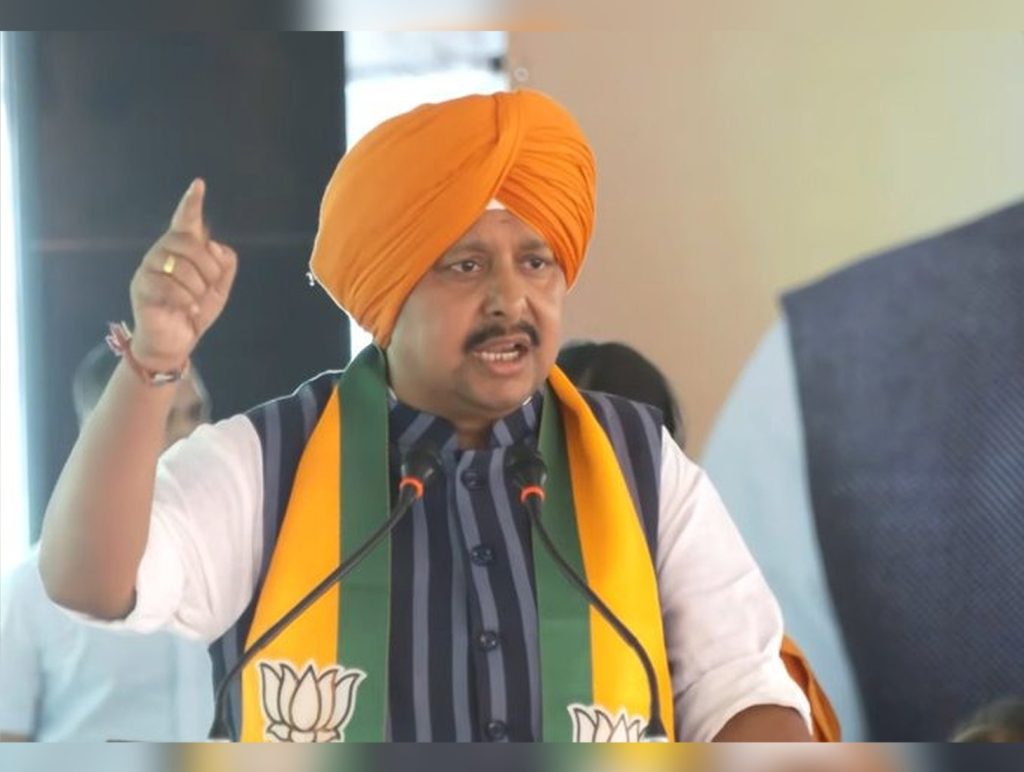
BJP president Nitin Nabin on Wednesday announced a new set of state in-charges and co-in-charges for 28 states and eight Union territories. Irani has been appointed the party’s in-charge for Haryana, with Bhola Singh as co-in-charge. Irani was recently appointed as the party’s national general secretary and is the only woman among the eight general secretaries in Nabin’s team.
While in Punjab, Satish Poonia takes over as in-charge, supported by co-in-charges Virendra Sachdeva and Alka Gurjar. Himachal Pradesh gets Shrikant Sharma as in-charge, with Darshana Singh as co-in-charge, while Chandigarh has been placed under Mahendra Pandey.








 Dr Kiran Deep