






 The North News
Healthcare services will soon reach the doorsteps of people in several rural and underserved areas, with the Shri Ram Prakash Virgo Foundation, supported by the Virgo Group, launching five fully equipped mobile medical units to provide free medical consultations and diagnostic facilities.
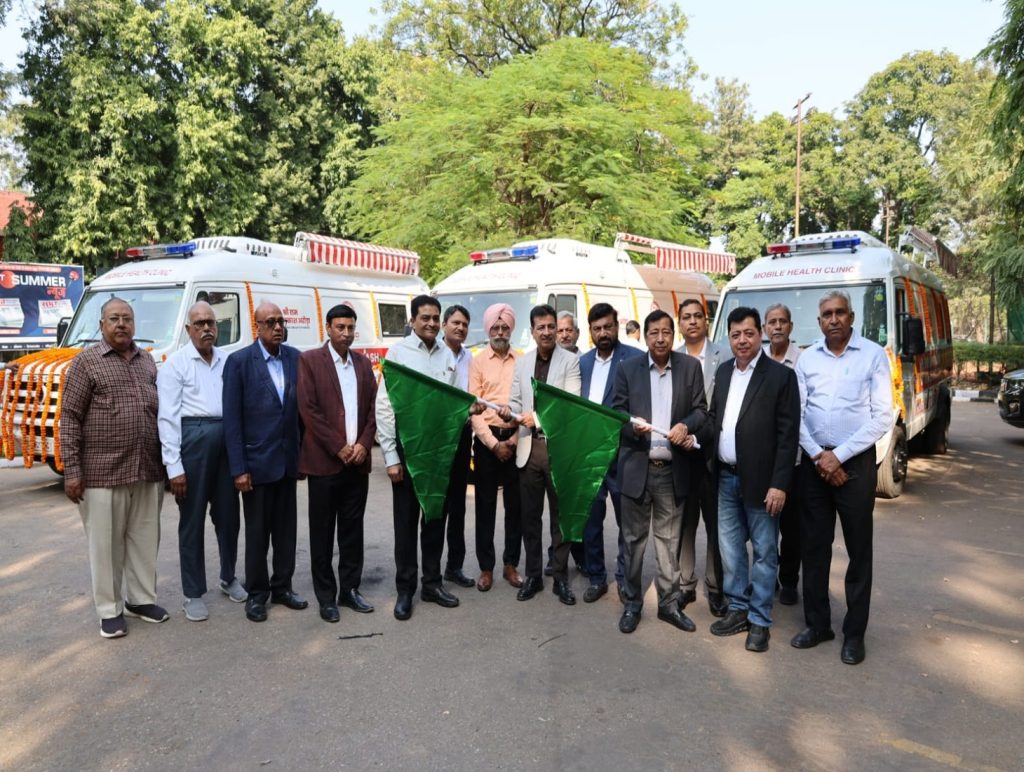
The five mobile medical units (MMUs), fitted with modern medical equipment, were flagged off at Chandigarh Press Club in Sector 27 on Saturday. The initiative is aimed at improving access to healthcare, particularly for women, children, elderly people and families from economically weaker sections who often face difficulties travelling to hospitals and diagnostic centres.
Of the five vehicles, three will operate in Chandigarh and its surrounding areas, while one will be stationed in Ahmedabad, Gujarat, and another in Hindupur, Andhra Pradesh.
The mobile medical units were flagged off by Foundation trustees Bishamber Dass Arora, Surinder Pal Arora and Tilak Raj Arora, along with Parveen Arora and other members of the Virgo Group.
The launch ceremony was attended by Dr Dharminder Singh, Senior Medical Officer, Dera Bassi; Dr Meenu Gandhi, president of the Medical Association, Chandigarh; Dr Rajiv Gupta; Bhupinder Singh Saini, former president of the Dera Bassi Municipal Council; Amit Bindal, chairman of Rotary Club Dera Bassi; and representatives of several non-governmental organisations from the Tricity.
Speaking to reporters, Bishamber Dass Arora said the initiative was conceived to address the healthcare challenges faced by people living in remote areas, particularly those who cannot afford regular medical consultations or travel long distances to access diagnostic facilities.
He said women and children from economically weaker sections would be among the primary beneficiaries of the programme.
“By taking healthcare closer to people’s homes, the Foundation aims to reduce travel-related difficulties and encourage timely medical attention, especially for elderly people, women and children,” Arora said.
The vehicles have been equipped with X-ray machines, ECG facilities and multiparameter patient monitors. They will also provide blood-testing and urine-analysis facilities to support medical assessments and investigations based on doctors’ advice.
Each mobile medical unit will have an MBBS doctor, a woman doctor, a medical technician and a driver. The Foundation said all healthcare services offered through the programme would be provided free of charge.
The initiative is expected to help residents in villages and remote settlements access basic medical consultations and diagnostic services without having to make frequent trips to healthcare centres. The availability of doctors and diagnostic equipment in the vehicles is also intended to encourage people to seek medical attention at an early stage rather than delay treatment because of distance or financial constraints.
Centralised patient records and monitoring
The Foundation will oversee the operations of all five mobile medical units through a structured system covering patient registration, medical examination, diagnostic investigations, consultations and follow-up services, wherever required.
A dedicated team at the Foundation’s office will centrally maintain patient records and medical data. This arrangement is expected to help doctors monitor treatment histories, coordinate follow-up consultations and assess the delivery of healthcare services.
The Foundation said patient confidentiality and access to medical records by authorised personnel would remain important considerations.
Village visits will be organised according to local requirements and the programme’s operational schedule. Community representatives will also be encouraged to inform residents about the availability of the mobile units and their visit schedules so that people can make use of the free services.
The Foundation plans to introduce additional facilities in phases, depending on community needs, operational experience and available resources. Its future activities will also focus on healthcare awareness, education and wider social welfare initiatives.
CSR support for healthcare and education
The Virgo Group’s companies have contributed funds under their corporate social responsibility (CSR) initiatives to support the Foundation’s welfare activities.
Healthcare and education are the Foundation’s key areas of focus. The mobile medical programme is part of its broader effort to improve living conditions and provide practical support to communities surrounding the Group’s industrial operations.
Virgo Management said villages around its factories were an important part of the Group’s wider community and that business growth should go hand in hand with social responsibility and improved opportunities for local residents.
The Foundation will periodically review the functioning of the mobile medical units and seek feedback from patients and local residents to improve the quality and reach of services.
With the launch of the five vehicles, the Shri Ram Prakash Virgo Foundation and Virgo Group have expanded their community welfare efforts, seeking to make essential healthcare more accessible to people who might otherwise struggle to obtain timely medical assistance.
Advocates and chartered accountants practising in Goods and Services Tax (GST) matters in Punjab and…

Commuters in Chandigarh are likely to face traffic restrictions around Sector 42 on November 15…
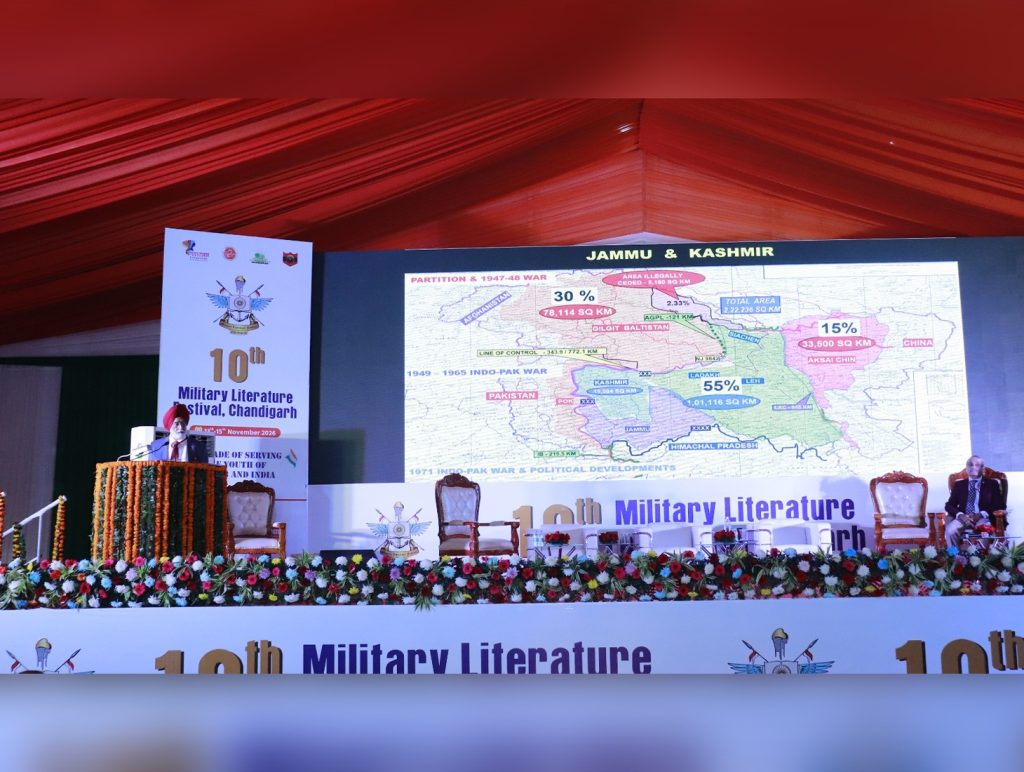
Military history is more than a chronicle of battles, victories and sacrifices. It offers lessons…
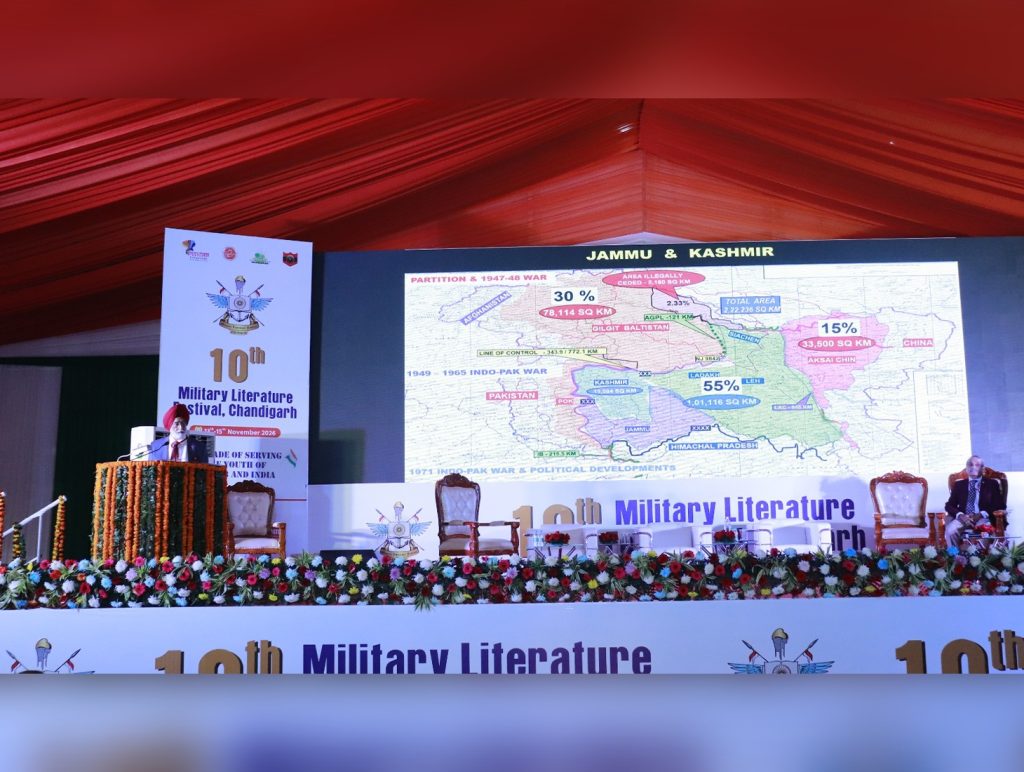
The 10th Military Literature Festival began at Lake Club, Sector 5, Chandigarh, on Friday, drawing…