







 Yog Raj Sharma
Shimla, July 16
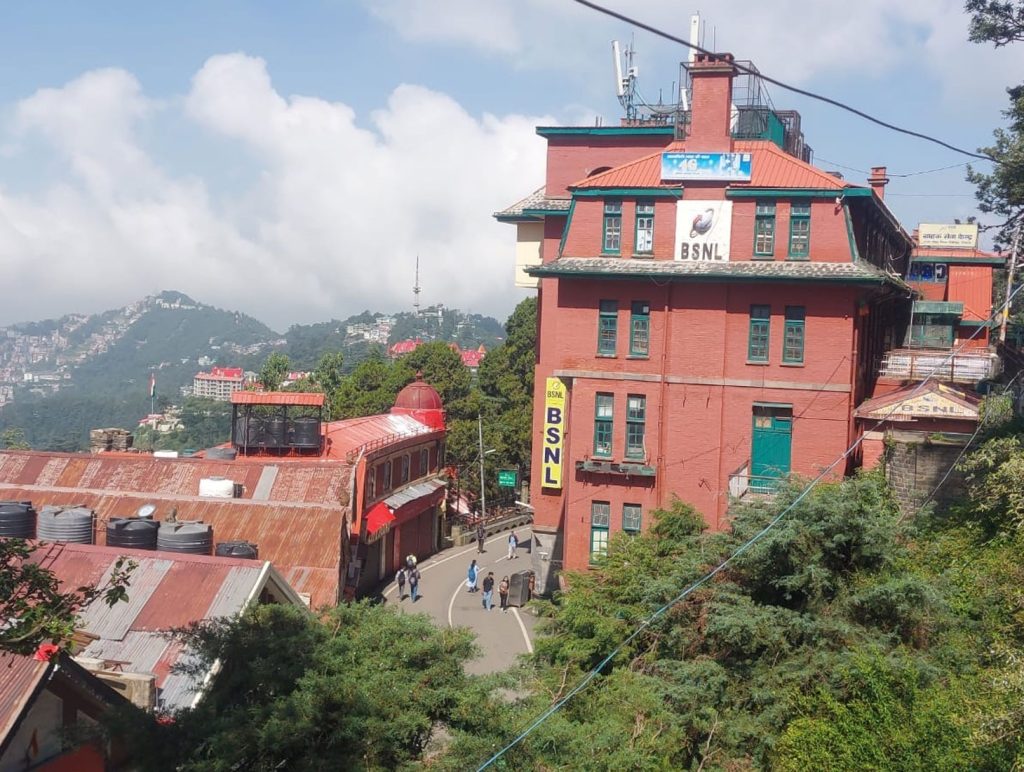
The historic Central Trunk Office (CTO) building in Shimla stands as a landmark in India’s telecommunications history. Built during the British era, the structure housed the country’s first electronic telephone exchange in 1922, connecting India to England through a telephone line for the first time. The then Viceroy became the first person in India to make an international telephone call from the exchange.
Shimla, declared the British Empire’s summer capital in 1864, is known for its heritage architecture and colonial legacy. Before the CTO building was constructed, the site housed a structure called Connie Cottage, built in 1870, which functioned as the Station Library. It was demolished around 1920 to make way for the present building.
Constructed in Scottish architectural style, the CTO building features Grey Ashlar stone on its lower section. The original plan was to use the stone throughout the structure, but budget constraints led to the upper floors being built with bricks instead.
One of the building’s most recognisable features is its 90 kilogram heritage clock installed above the main entrance. Alongside it, a British era buzzer continues to mark the beginning of official working hours at 10 am and the close of offices at 5 pm in Shimla. The buzzer has also historically been used to alert residents during emergencies. In the 1990s, authorities replaced the heritage clock with a digital one after the original stopped functioning. However, public opposition led to the restoration and reinstallation of the historic clock.
A Latin inscription inside the building records its rich history, noting that it has served as the city’s telephone exchange, telegraph office and later housed the India Meteorological Department. Today, the building functions as a BSNL office, continuing its role in providing communication services while preserving an important chapter of India’s technological and colonial heritage.
The bus was travelling from Manali to Pathankot when it overturned at a bend in…
BJP leader questioned the delay in launching a proposed welfare scheme Shimla: Himachal Pradesh Leader…
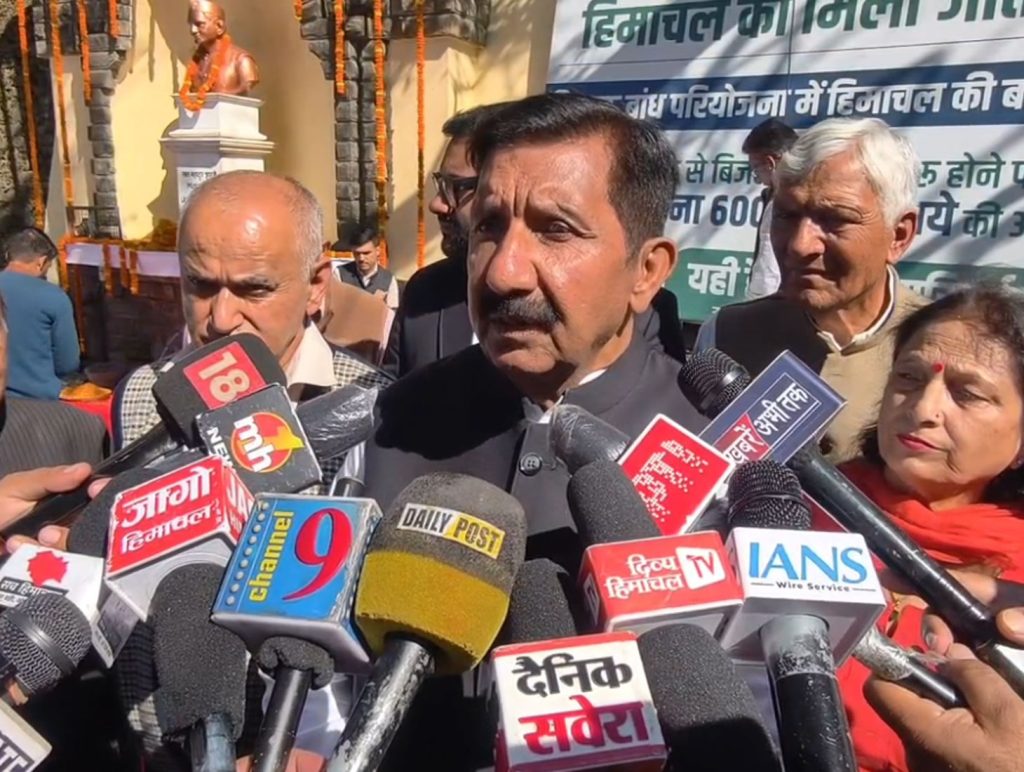
Governor, Deputy CM, Leader of Opposition and other dignitaries pay tributes to national leaders Shimla:…
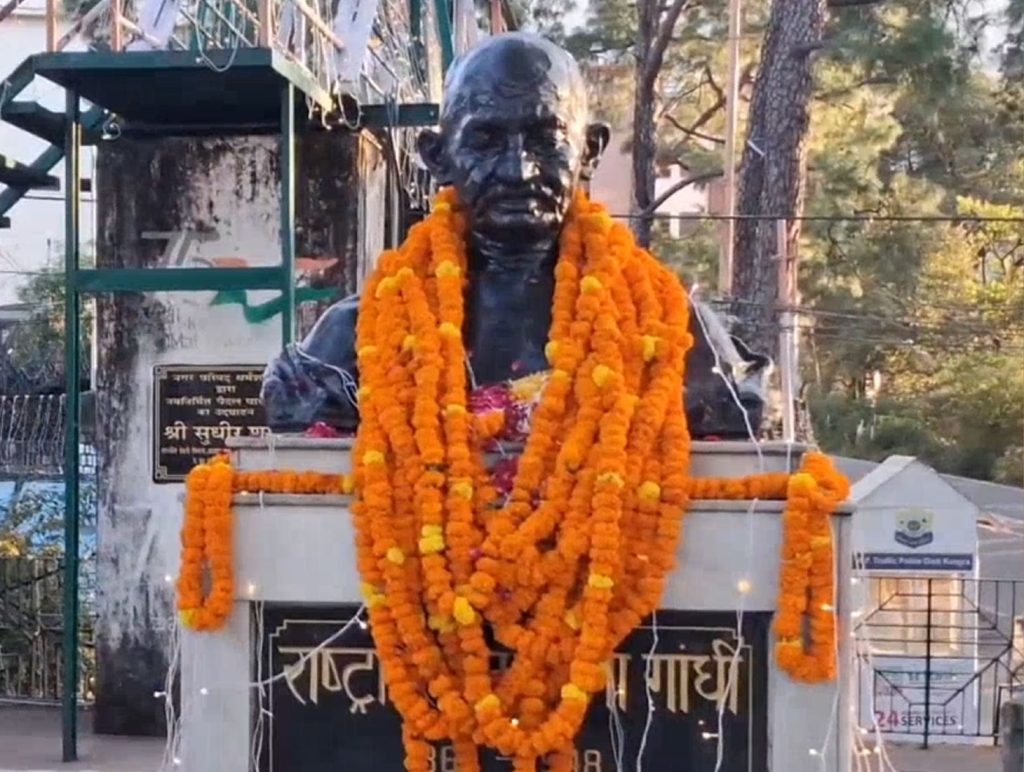
Dharamshala marks Gandhi Jayanti with tributes, peace march and interfaith gathering Dharamshala: Mahatma Gandhi’s birth…