








 The North News
Chandigarh, May 21
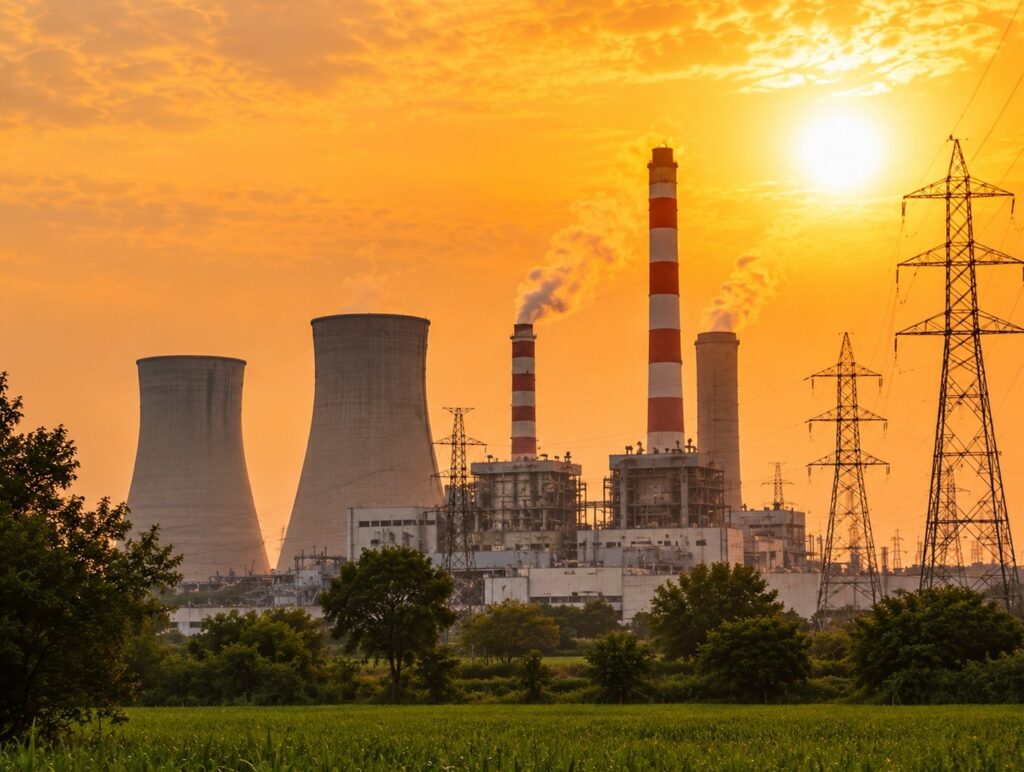
Punjab’s electricity demand has climbed to a record high for the month of May as a prolonged heatwave continues to sweep across northern India, placing increasing pressure on the state’s power infrastructure.
According to data from the Northern Regional Load Despatch Centre (NRLDC), Punjab recorded a peak power demand of 14,238 MW on Wednesday, surpassing last May’s highest demand of 14,077 MW recorded on 21 May 2025.
Officials expect electricity consumption to rise further during the upcoming paddy season, with projections suggesting demand could reach as high as 18,000 MW in the coming months.
The surge in consumption has already led to prolonged outages in several rural, suburban and Kandi belt areas, while residents in some districts reported disrupted water supply and frequent voltage fluctuations.
Punjab currently relies heavily on electricity drawn from the northern grid, with scheduled supply standing at around 10,500 MW. The state’s own generation capacity under ideal operating conditions is estimated at about 6,500 MW, alongside limited solar generation during daytime hours.
Energy experts say the supply situation appears manageable on paper, but concerns remain over unforeseen disruptions during peak summer demand.
On Thursday morning, power demand again crossed 13,800 MW for the second consecutive day as temperatures continued to rise.
State data showed Punjab supplied around 2,770 lakh units of electricity on Wednesday, including 965 lakh units from thermal plants, 118 lakh units from hydel projects and 1,602 lakh units sourced from the northern grid.
Electricity demand has risen sharply over the past several days after relatively mild weather during the first half of May kept consumption lower than expected.
Several thermal power units across the state are currently operating below full capacity. Two units at the Ropar thermal plant, three units at Lehra Mohabbat and two units at Goindwal are functioning at partial load, while another Ropar unit remains shut for annual maintenance and is expected to resume operations later this month.
Punjab’s state-run thermal plants generated around 1,560 MW on Thursday, while private thermal plants contributed nearly 2,980 MW. Solar generation within the state stood at approximately 300 MW.
Authorities said coal reserves at thermal plants remain within operational limits. State-run plants at Lehra Mohabbat, Ropar and Goindwal currently hold between 24 and 35 days of stock, while private plants at Rajpura and Talwandi Sabo have reserves for around 20 to 26 days.
Punjab’s total installed power generation capacity stands at nearly 14,900 MW, including thermal, hydel and solar sources, although actual generation typically remains below installed capacity during peak demand periods.

Devastating floods along the Nepal-Tibet border, reportedly killed 270 people so far, have once again…

Jabalpur, June 26 The Madhya Pradesh High Court on Thursday dismissed a defamation case against…
New Delhi, June 25 Prime Minister Narendra Modi on Thursday described the Emergency imposed in…

The Centre government has said that a passport has never been considered conclusive proof of…