








 Damini Sharma
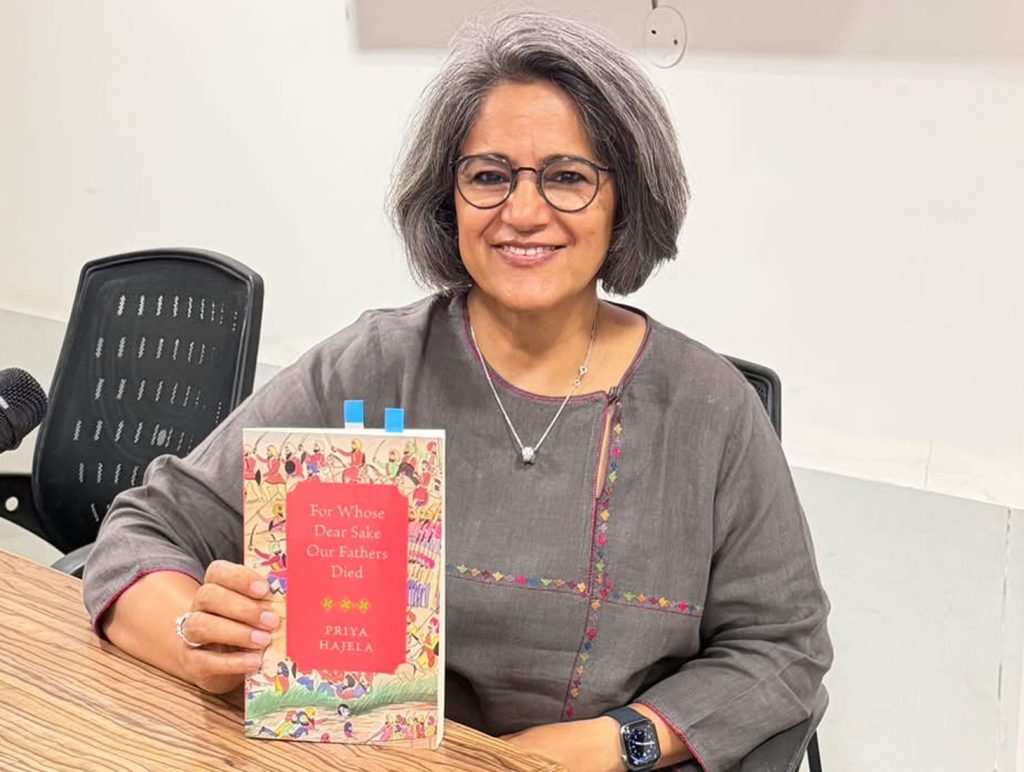
Her latest novel examines the complexities of loyalty, conflict and identity against the backdrop of pivotal historical events.
Chandigarh: Renowned author Priya Hajela, best known for her acclaimed novel-‘Ladies’ Tailor’, set against the backdrop of Partition, launched her latest book, ‘For Whose Dear Sake Our Father Died’, at the Institute for Development and Communication in Sector 38, Chandigarh on Tuesday. During a press conference, she discussed the historical research and complex questions of identity and allegiance that shaped her new work.
The historical relationship between the Sikhs and the British, shaped by wars, political decisions and conflicting loyalties, lies at the heart of the novel. Tracing these connections to the Anglo-Afghan Wars and Maharaja Ranjit Singh’s early dealings with the British, the book explores the circumstances that influenced Sikh attitudes towards British rule.
The idea took shape while Hajela was researching Ladies’ Tailor. As she explored Sikh households in Lahore, she repeatedly encountered the belief that the British would protect the Sikh community. This perception, reflected through the character of Pritam, prompted her to investigate the historical roots of Sikh loyalty to the British.
Hajela said the novel’s fictional narratives are grounded in extensive historical research, including material from British archives. One account recounts how a platoon lost both Indian and British soldiers while attempting to retrieve the body of its officer. She also recalled how her grandmother, Beant, shared numerous stories during her childhood, nurturing her interest in the past.
Discussing the complexities of Sikh-British relations, Hajela said there was no single explanation for Sikh loyalty. Historical circumstances offered competing perspectives, including the community’s antagonistic history with the Mughals and the participation of soldiers who had fought in the Anglo-Sikh Wars in subsequent rebellions against the British.
Rather than presenting history as a straightforward contest between loyalty and opposition, Hajela said she wanted to portray the difficult choices people faced amid changing political circumstances.
The book’s title draws inspiration from Rudyard Kipling’s poem The Children’s Song, which Hajela remembered singing during school assemblies. A stanza recalling children whose fathers had died in wars left a lasting impression on her. The title eventually became a way to explore how a spirit of adventure and risk-taking can travel through generations of a family.
Historical research also prompted changes to specific scenes in the novel. Hajela explained that a sequence in which Beant uses a photograph to help her grandfather recall the past had to be reconsidered after she realised that photographs would not have been readily available in the period she was depicting. She subsequently introduced Thomas Biggs, a real-life photographer associated with the Bombay Artillery who had recently returned from active duty.
Reflecting on her characters, Hajela said she wished she had explored Sindhu’s role in the freedom movement more extensively. She saw the character as someone who could have emerged as a strong, outspoken voice in the struggle.
Hajela described Ladies’ Tailor as a stepping stone towards her latest novel, although she had not recognised the connection while writing the earlier book. What began as an interest in the relationship between the British and the Sikhs gradually developed into a much deeper exploration of history, memory and the complicated legacies of allegiance.

Uttarakhand Minister Subodh Uniyal halts singer’s performance at Kunjapuri Mela; viral video captures onstage confrontation…
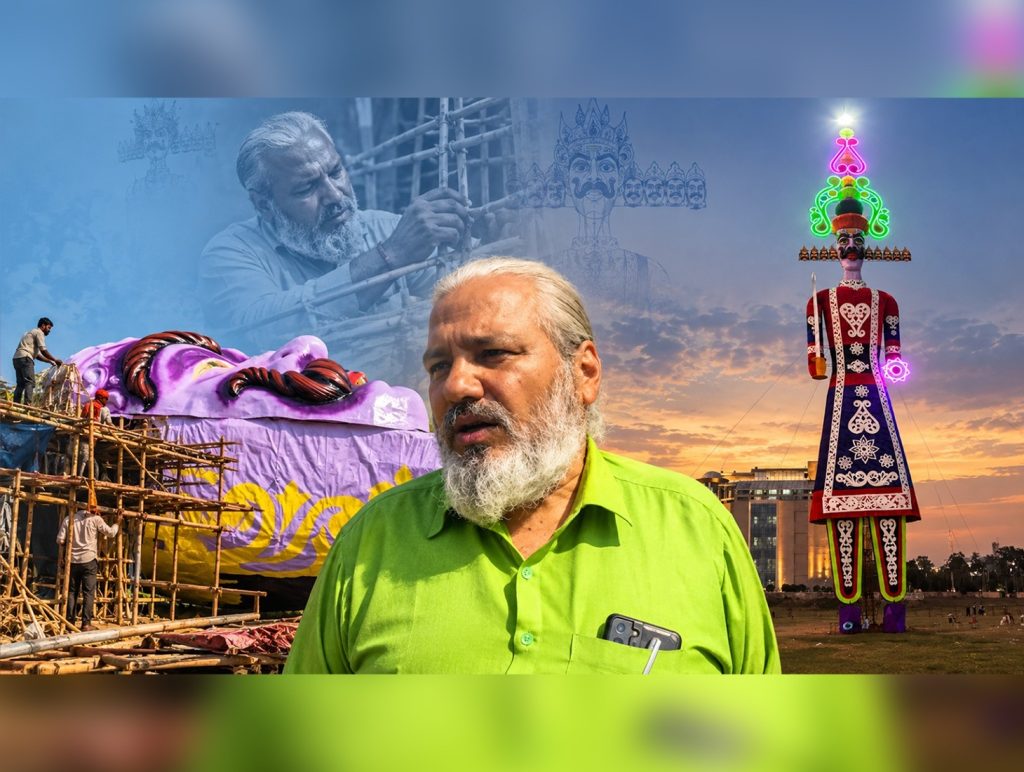
From 20-ft effigy in 1985 to towering Dussehra creations, Tejinder Chauhan’s four-decade journey blends craftsmanship…
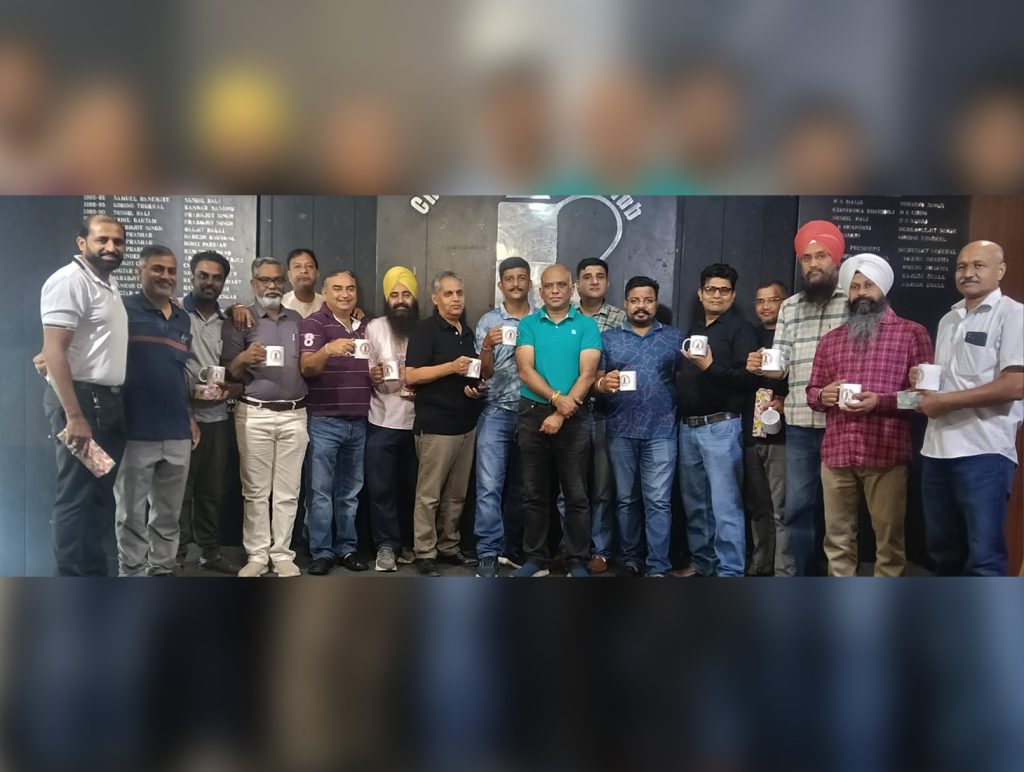
40 members lose at least 2 kg each in month-long initiative involving over 70 participants…

Survey of 1,000 pupils flags concerns over prolonged sitting, screen exposure and classroom ergonomics Chandigarh:…