





 Yog Raj Sharma
Shimla, June 20
The Himachal Road Transport Corporation (HRTC) Driver-Conductor Union has issued an ultimatum to the state government, warning that its members will begin an indefinite strike and halt bus operations from June 25 if their pending financial demands are not fulfilled by June 24.
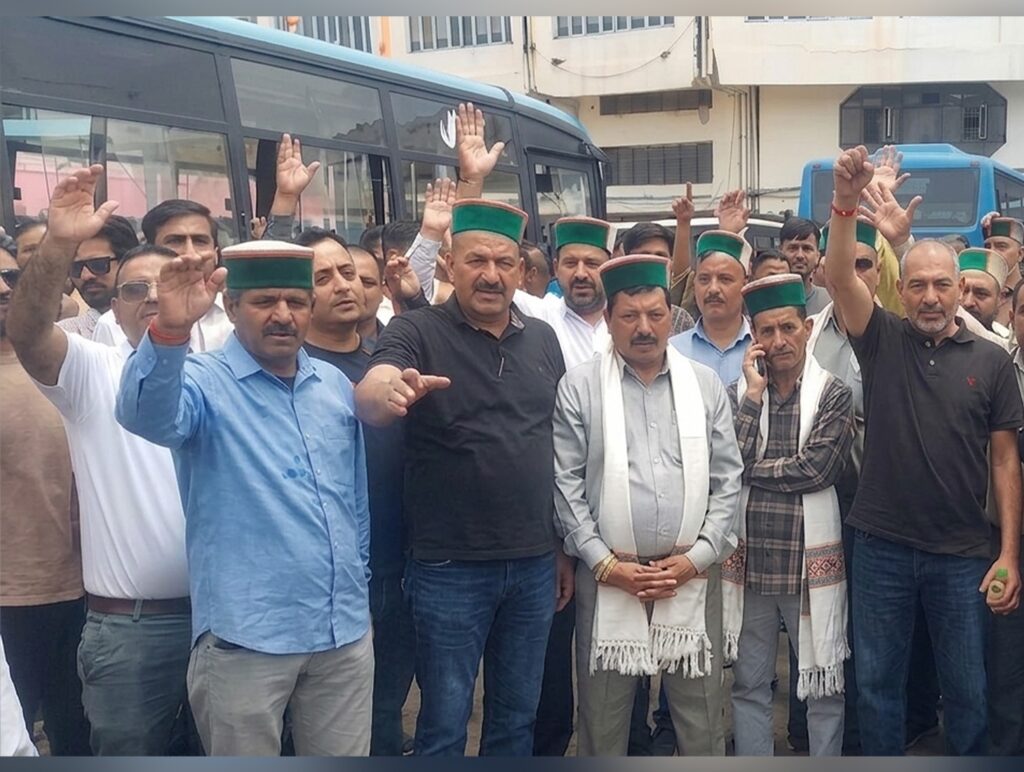
The union has been holding gate meetings and protests for the past 20 days, demanding clearance of various pending dues and employee-related issues. On Friday, union members staged a protest at the Shimla Old Bus Stand and reiterated their demands.
HRTC Driver Union state president Man Singh Thakur said that employees had faced “exploitation” over the past three-and-a-half years and alleged that several financial benefits had remained pending.
Thakur said that night overtime arrears for 75 months, amounting to around Rs 150 crore, along with pending pay revision arrears from 2016, dearness allowance (DA) dues, and benefits under the 4-9-14 pay scale had not been released.
He further said that four recruitment processes were pending and the promotion process had remained stalled for the last eight months. The union also raised concerns about delays in salary payments, stating that employees often received their salaries on the 5th, 10th, or even the 12th of the month, rather than the scheduled date.
The union warned that if salaries were not credited on time in the future, bus operations would not be allowed to continue.
The employees have set June 24 as the deadline for the government to fulfill their demands, including payment of overtime and night duty dues, uniform allowance, promotions, and other pending benefits. If their demands are not met, the union has announced that HRTC buses will be taken off the roads from June 25 as part of an indefinite strike.
Man Singh Thakur, President of the HRTC Driver Union, said employees would be forced to stop operations if their long-pending demands were not resolved.
New gallery to promote Pahari miniature painting, while Tagore-linked historic residence in Shimla awaits ASI…
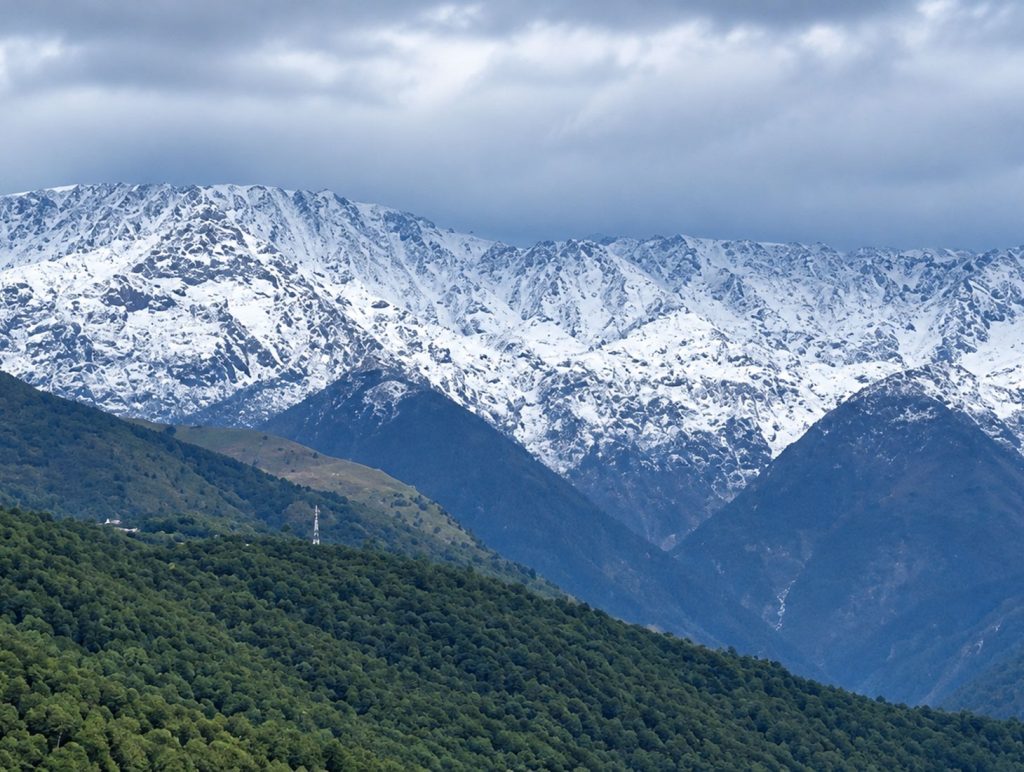
Sunshine after morning rain offers clear views of snow-covered Dhauladhar peaks Dharamshala: Fresh snowfall in…
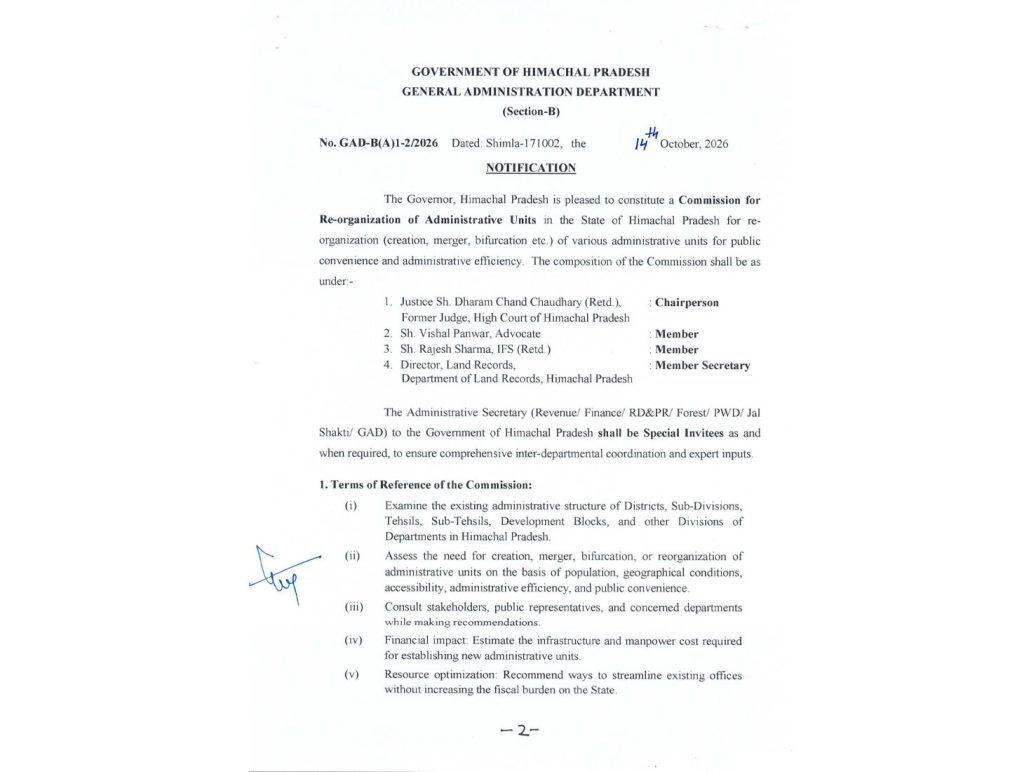
Panel to review existing administrative boundaries and recommend changes within six months Shimla: The Himachal…
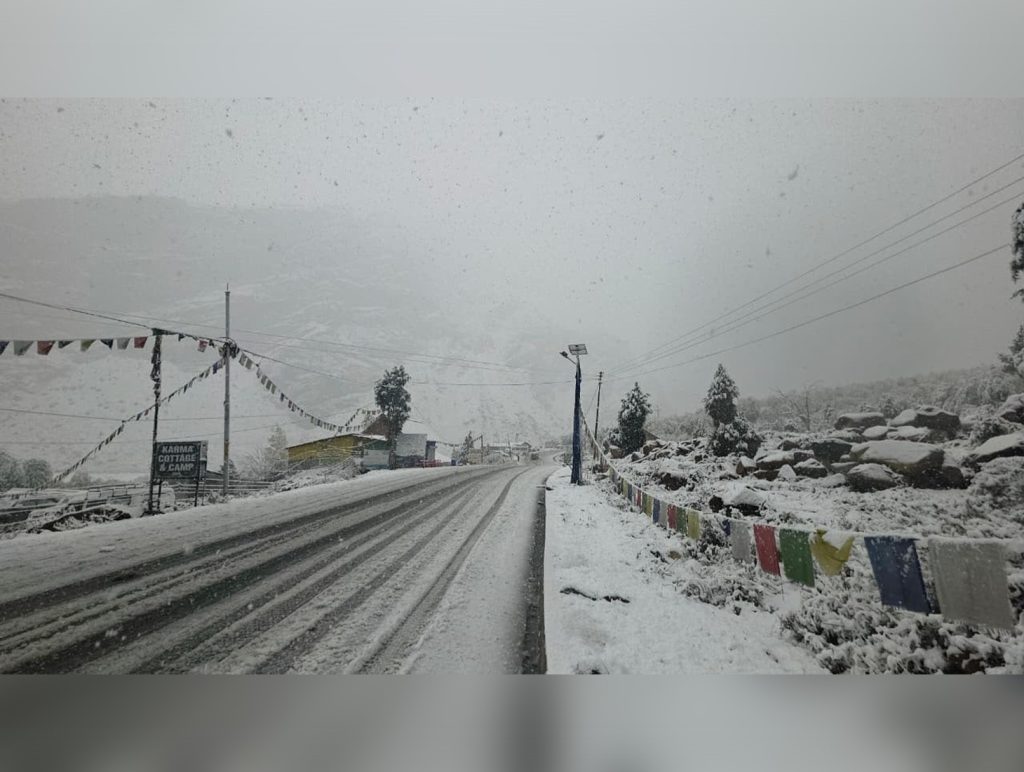
Police advise tourists against unnecessary travel as snowfall continues at Shinkula, Baralacha La and Kunzum…