







 Disney Brar
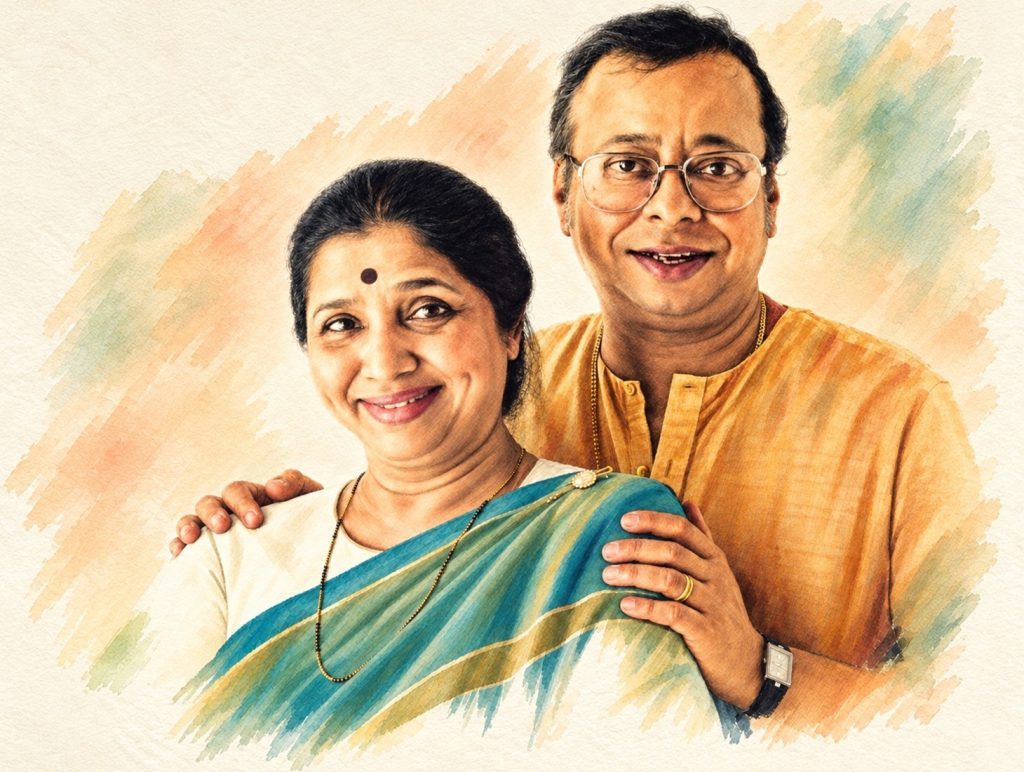
From the haunting ‘In Ankhon Ki Masti’ to the chillum-infused ‘Dum Maro Dum’, Asha Bhosle’s repertoire is unparalleled in the history of Indian music. We remember the legend on her Birth Anniversary.
Chandigarh, September 8
I think this world is beautiful. Not that I’ve forgotten any of the pain that I’ve gone through. It’s there, all stored away- Asha Bhosle.
A silken voice as smooth as butter and as sensuous as women clad in shimmering skirts with slits, deep-cleavage blouses, kissing cigarettes with their luscious, scarlet-stained lips. Just like the women Asha Bhosle crooned for in Hindi Cinema, her honeyed vocals deftly maneuvered through the different moods, textures, and genres in music, right from duets, ghazals, qawwalis, cabaret numbers, folk, to regional songs.
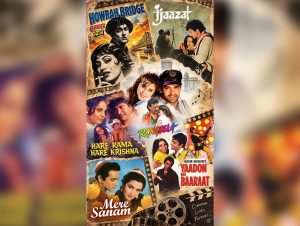
From ‘Aaiye Meharban’ in Howrah Bridge (1958), ‘Piya Tu Ab Toh Aaja’ in Caravan (1971) picturised on Helen, ‘Chura liya Hai Tumne Jo Dil Ko’ in Yaadon Ki Baaraat (1973), ‘Raat Baaqi Baat Baaqi’ in Namak Halaal (1982) to ‘Rangeela Re’ in Rangeela (1995), Asha Tai effortlessly managed to glide through the different genres of music with equal aplomb due to her flair in conveying a range of emotions demanded by the different music composers and compositions she lend her voice to.
One of the striking features of Asha Tai’s work was that she could slip into the different characters being enacted on screen as smoothly as a drink on the rocks, be that of the very graceful Waheeda Rehman vocalising in ‘Paan Khaye Saiyan Hamaro’, the playful Vyjayanthimala in ‘Maang Ke Saath Tumhara’, the sensuous Madhubala in ‘Acha Ji Main Haari Chalo’ and ‘Haal Kaisa Hai Janab Ka’ to the coy Asha Parekh in ‘Jaaiye Aap Kahan’, the tipsy Mumtaz in ‘Yeh Hai Reshmi Zulfon Ka Andhera’ in Mere Sanam (1965) and the very sexy Urmila Matondkar in ‘Tanha Tanha’ from Rangeela composed by A.R. Rehman. She has sung for actors across generations in cinema, from Madhu Bala to Kangana Ranaut, and her voice has never once felt out of place.
Asha Bhosle was not just a voice for the seductress, the vamp, the defiant siren, the cabaret dancer, the forbidden woman-a Helen, a Bindu, a Padma Khanna, or an Aruna Irani even though their voice indomitably had to be that of Asha Bhosle’s, and later on came to represent the character of the promiscuous woman on celluloid plucked from the bygone eras of Hindi cinema. Her vocals could easily blend into the main heroine of the film with equal, if not greater, plausibility. Asha Tai’s oeuvre boasts a versatility unmatched by any female playback singer in Bollywood to date.
Her voice was very different from the traditional and demure style of her elder sister, the Nightingale of India-Lata Mangeshkar because she managed to break stereotypes and social conventions at that time when she was ruling the scene in playback singing, also, when it came to picking and choosing the kind of songs and compositions she lend her vocals to, unlike Lata who by and large stuck to playback singing for the main heroine consciously choosing to stay away from the item numbers which sent the pulses of the masses racing with their inherent oomph and sultriness. Even though she later experimented with a handful of them, this genre was undisputedly ruled by Asha Bhosle all through, mainly because she could lend that little dash of coquettishness, a drizzle of chirpiness, that note of playfulness, a scraping of boldness, and lots of zest to her songs.
Out of all her songs, my personal favorites are from the 1987 release Ijaazat, where she worked with lyricist Gulzar and R.D. Burman. From her bouquet of songs in the film, a conversational ballad that won her the National Film Award for Best Female Playback Singer-‘Mera Kuch Samaan’ stands out, besides ‘Chhoti Si Kahani Se’ which was a reflective track in the film and ‘Katra Katra which was more of a deep yearning number.
She crooned around 12,000 songs across all languages over her career. The music composers who played a major role in Asha becoming the Asha Bhosle that we all know of were-O.P.Nayyar, R.D.Burman, Rajesh Roshan, Salil Chawdhury, S.D.Burman, Naushad, Bappi Lahiri and Laxmikant-Pyarelal. Asha Tai’s maximum duets were with Mohammed Rafi, followed by Kishore Kumar. She has a potpourri of hits with male singers like Hemant, Mahendra Kapoor, Mukesh and Bhupinder Singh, besides others.
Asha’s last recorded song was ‘The Shadowy Light’, which was a collaboration with the British virtual band Gorillaz. It has been more than four months since Asha Tai departed from this plane of existence to sing for the angels in the heavens up there leaving us mortals asking for more, but the immortal songs and the effervescent spirit that she has left behind in her work will keep playing on repeat in the playlists of all music aficionados for years to come.
Godrej Enterprises Group has entered the micro-drama space with “2nd Gen Kumars”, an eight-episode Instagram…
Punjabi beats, familiar tunes and high-energy DJ sets will set the mood in Hisar on…
Every artist has a sound, but only a few dare to redefine their musical journey.…
Punjabi singer-actor Diljit Dosanjh’s October 30 concert at Delhi’s Jawaharlal Nehru Stadium has received police…