








 The North News

Islamabad, June 15
The United States and Iran have reached a preliminary agreement aimed at reopening the strategically vital Strait of Hormuz and extending a fragile ceasefire in the conflict that has shaken the Middle East and disrupted global energy supplies. The breakthrough, announced early on Monday, offers a potential path towards ending a war that has claimed thousands of lives across the region, including senior leaders of Iran’s ruling establishment and triggered a major energy crisis.
Details of the agreement have not yet been made public. Iranian officials said implementation would only begin after formal signing ceremony, expected to take place in Switzerland on Friday. Pakistan, which played a key mediating role in the negotiations, confirmed the planned signing. The accord seeks to restore the flow of oil and natural gas through the Strait of Hormuz, one of the world’s most important energy shipping routes. News of the agreement immediately eased market concerns, with global oil prices falling and Asian stock markets posting gains.
However, significant challenges remain. Negotiations were nearly disrupted by ongoing tensions between Israel and the Iran-backed Hezbollah movement in Lebanon. Israeli strikes on Beirut’s southern suburbs on Sunday highlighted the continuing instability in the region.
The agreement also sets a 60-day deadline to address the future of Iran’s stockpile of highly enriched uranium and its wider nuclear programme. Resolving those issues is expected to be difficult. Similar negotiations took years and culminated in the 2015 nuclear agreement between Iran and world powers, from which the United States later withdrew during President Donald Trump’s first term.
President Trump welcomed the development on social media, describing it as a major step forward. He said he had authorised the reopening of the Strait of Hormuz and the lifting of a US naval blockade imposed during the conflict. He later clarified that these measures would take effect only after the agreement is formally signed.
Iran’s Deputy Foreign Minister Kazem Gharibabadi confirmed the understanding on state television saying discussions involving Qatar had helped secure the breakthrough. He reiterated that Iran would wait until Friday’s signing before implementing any commitments.
Israel, which joined the United States in military operations against Iran earlier this year and has continued operations against Hezbollah in Lebanon, has not yet publicly commented on the agreement.
While the deal has raised hopes of a broader de-escalation, diplomats caution that the coming weeks will be critical in determining whether the fragile understanding can develop into a lasting peace.

Devastating floods along the Nepal-Tibet border, reportedly killed 270 people so far, have once again…
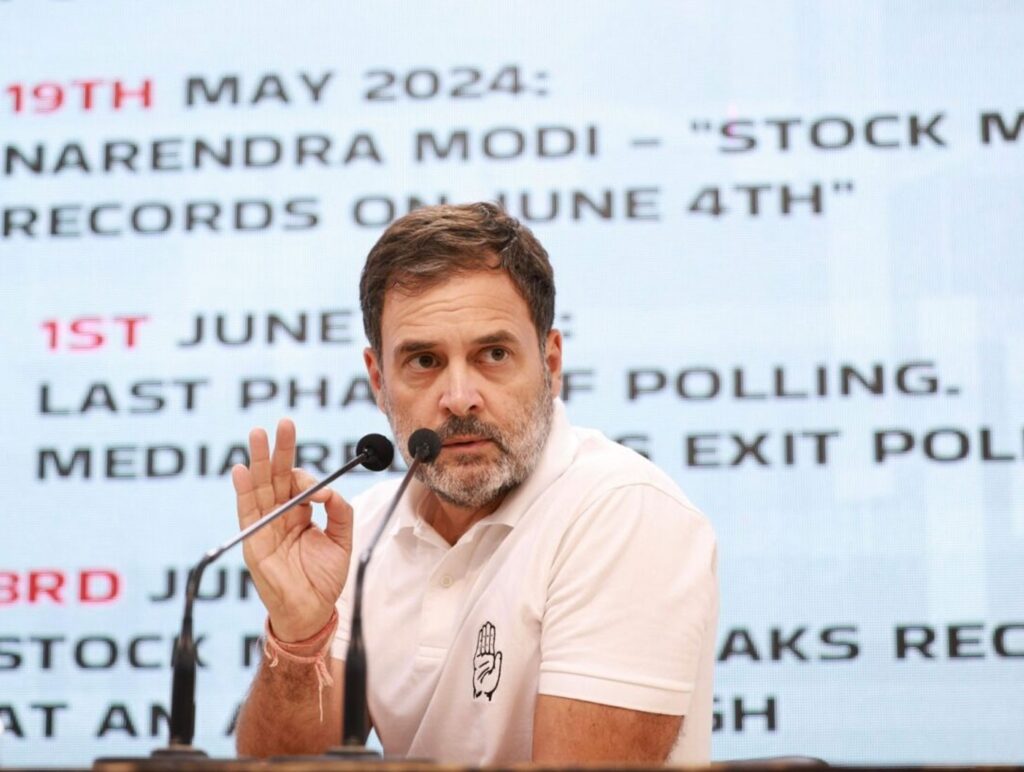
Jabalpur, June 26 The Madhya Pradesh High Court on Thursday dismissed a defamation case against…
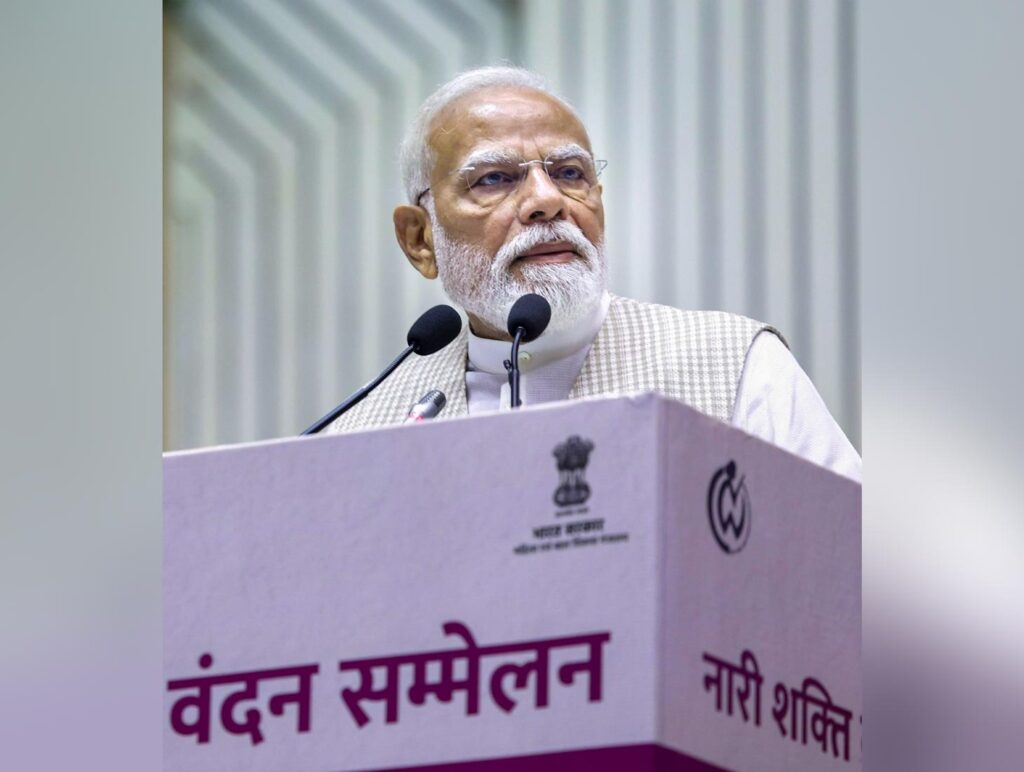
New Delhi, June 25 Prime Minister Narendra Modi on Thursday described the Emergency imposed in…
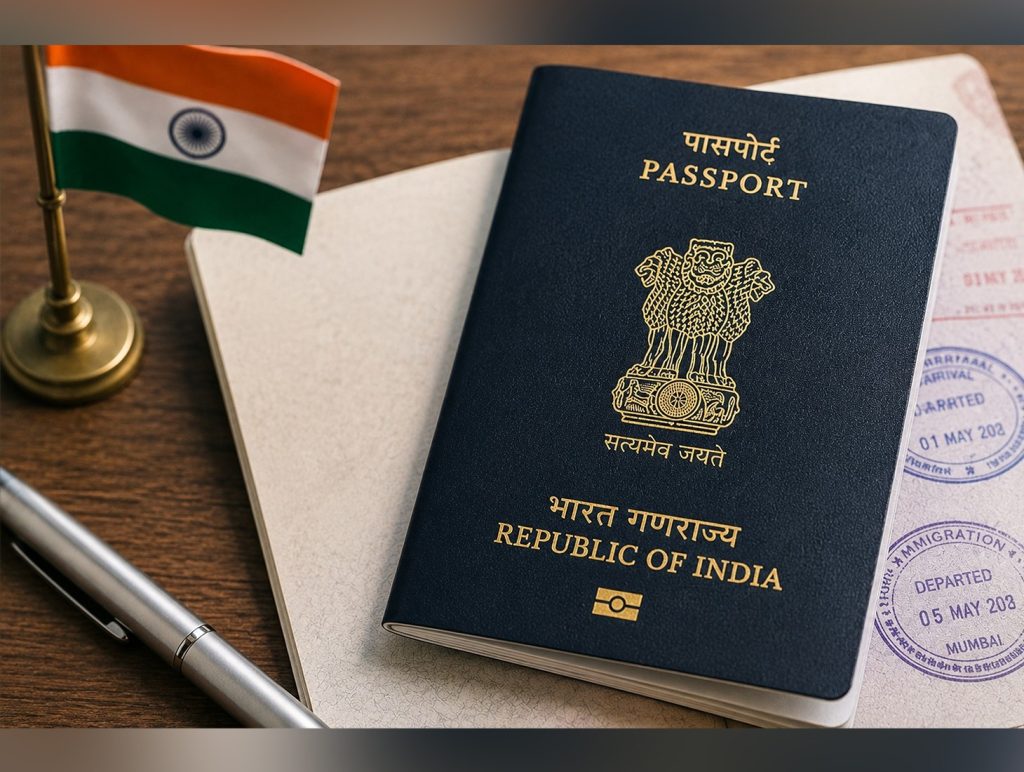
The Centre government has said that a passport has never been considered conclusive proof of…