Spread the news
Chandigarh, August 13
Despite repeated judicial intervention, construction in the ecologically sensitive catchment area of Sukhna Lake continues to raise concerns over the future of one of Chandigarh most important natural landmarks.
The Supreme Court has taken a serious view of alleged violations in the Sukhna catchment, but environmental concerns remain across Chandigarh, Punjab and Haryana. The unchecked construction and movement of soil, sand and concrete into the lake are adding to the pressure on its already fragile ecosystem.
Even the Supreme Court Chief Justice Surya Kant has taken a serious view of the illegal construction in Sukhna catchment areas. “Aur kitna sukhaoge Sukhna Lake ko?” he was quoted as saying, questioning the alleged nexus behind illegal construction and warning about the damage being caused to the lake.
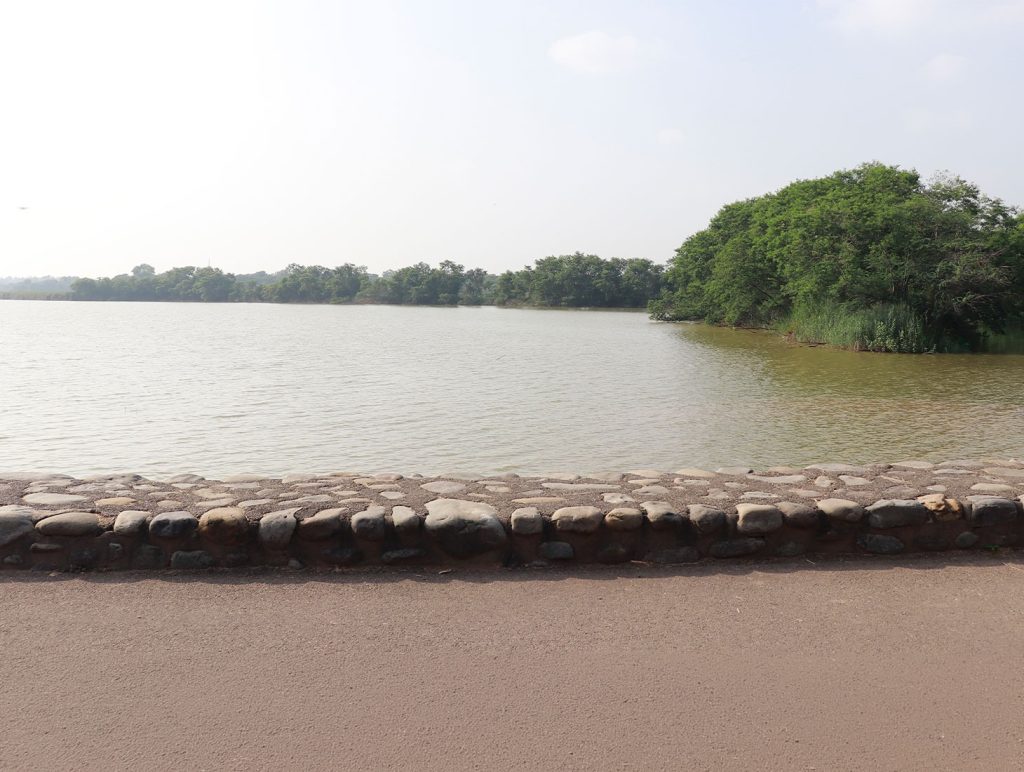
Sukhna Lake is a rain-fed, man-made lake covering about 3 sq km. It was created in 1958 and has since become one of Chandigarh’s best-known landmarks, attracting residents and tourists throughout the year.But its environmental health has been under pressure for decades.
Weed growth, soil erosion, inadequate catchment management and silt accumulation have reduced the lake’s effective water-holding capacity. Large quantities of soil and debris carried by rainwater from the catchment eventually reach the lake.
Over the years, Sukhna Lake is estimated to have lost a substantial part of its original storage capacity because of silt accumulation. Environmentalists have long argued that treating the lake itself without protecting its catchment will only provide a temporary solution. The health of Sukhna depends heavily on what happens upstream, where rainfall, drainage, vegetation and construction all influence the amount of water and sediment entering the lake.









 Madhav Aggarwal